
Abrasive Factory Essentials: Choosing the Right Grinding Materials for Your Workshop
2026-09-27
Every workshop floor tells a story through the hum of grinders and the spark trails they leave behind. Yet too often, the difference between a smooth finish and a costly rework comes down to one overlooked detail: the grinding material itself. From aluminum oxide to zirconia, each abrasive brings its own character to the wheel. At SHENZHEN SUN ABRASIVES, we've spent years matching those materials to real-world demands. This guide cuts through the noise to help you choose the right abrasive for your next project—no guesswork, just practical insight.
How to Read a Grinding Wheel Label Without the Jargon
A grinding wheel label can look like a string of random letters and numbers, but once you break it into chunks, it's surprisingly straightforward. The first thing to spot is the size information—usually the largest print on the label. You'll see two key measurements: the wheel diameter and the arbor hole size. These matter because if the hole doesn't match your machine's spindle or the diameter is too big for the guard, the wheel won't fit safely. Then look at the abrasive code. The leading letter tells you what the grit is made of: A stands for aluminum oxide, which works well on steel and iron, while C means silicon carbide, better for hard alloys, carbide, or non-ferrous metals.
After the abrasive letter comes the grit number, which usually ranges from about 24 up to 220. The rule of thumb is simple: a low number means coarse grit that removes material fast but leaves a rough finish, and a high number means fine grit for polishing or precision work. Don't get hung up on the hardness letter either. That letter, from A to Z, doesn't describe the grit itself—it describes how tightly the bonding agent holds the grit particles together. A is the softest, Z is the hardest. Harder wheels don't always cut better; in fact, if a wheel is too hard for the job, it can glaze over, generate heat, and clog instead of cutting cleanly.
Finally, always check the maximum RPM marking before you mount anything. That number is a hard safety limit—never run the wheel on a grinder that spins faster than the label says. If the label is faded, too small to read, or covered in grit, snap a close-up photo with your phone and zoom in, or flip the wheel over to look for a duplicate label on the reverse side. When in doubt, ask the supplier for a spec sheet instead of guessing. Once you can read these few core details, you'll be able to pick the right wheel without needing a glossary of grinding jargon.
Choosing Between Aluminum Oxide and Ceramic Grain
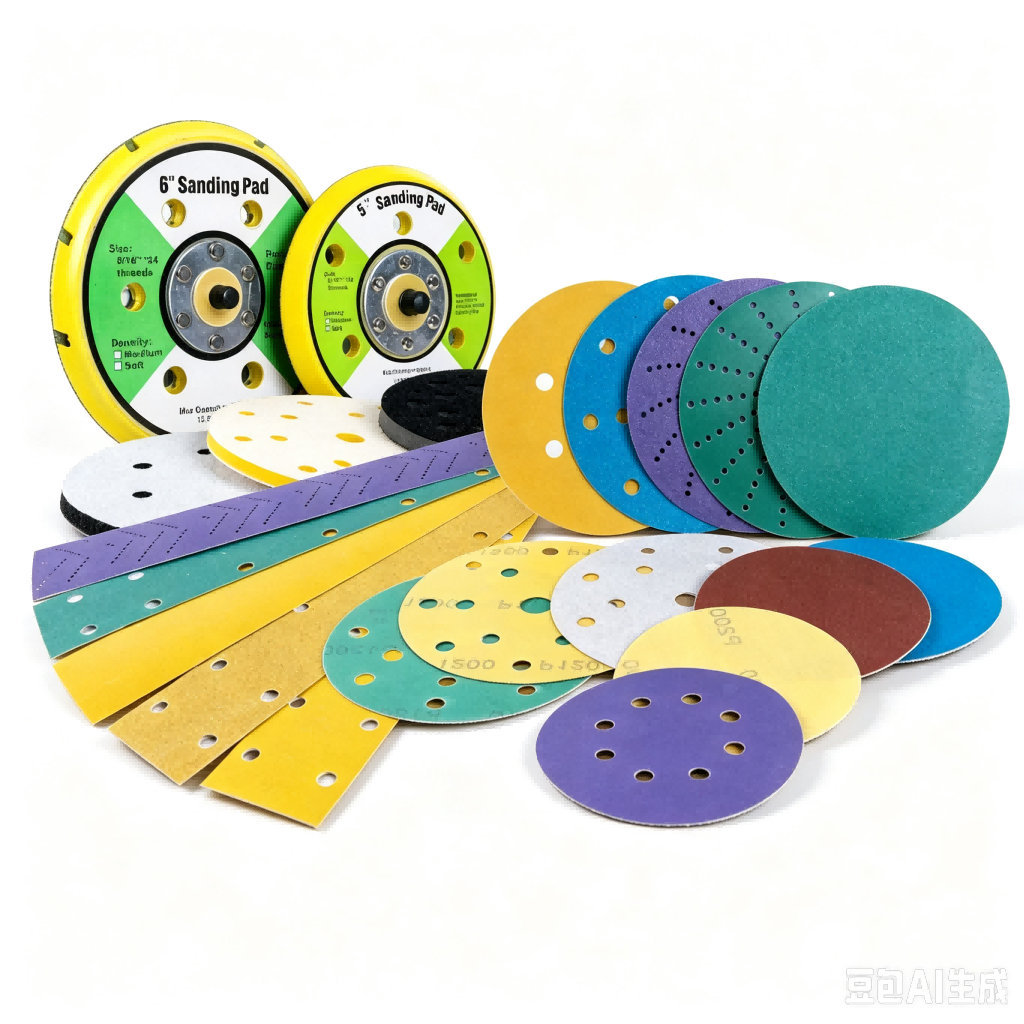
A lot of shops stick with aluminum oxide simply because it is what they have always used. It handles general-purpose grinding on mild steel and wood without much fuss, and the upfront cost is easier to swallow. The trade-off shows up when you push it against harder alloys or high-pressure jobs—the grains dull faster, which means more wheel dressing and slower cycle times. If your workflow is mostly soft metals or occasional sharpening, aluminum oxide rarely lets you down.
Ceramic grain flips the equation once you are dealing with tough materials like stainless steel, tool steel, or nickel alloys. The grains fracture at a controlled rate, constantly exposing fresh cutting edges instead of just glazing over. That self-sharpening behavior reduces heat buildup and lets you hold tighter tolerances without fighting the wheel. The higher price tag can scare people off, but the longer wheel life and fewer interruptions often wash out the difference on longer runs.
Your best bet is to match the abrasive to the actual workload, not the invoice. Run a small batch on both types and watch for finish quality, dressing intervals, and overall grind time. If you are switching materials often, keeping a few ceramic wheels on hand and saving aluminum oxide for low-stress jobs gives you flexibility without overspending.
What Your Wheel Bond Says About Your Cut
A wheel's bond isn't just glue holding abrasive together—it directly controls how fast fresh grit gets exposed. A harder bond hangs onto dull grains longer, so the wheel may rub instead of cut, pushing heat into the part and leaving a burnished surface. A softer bond lets worn abrasive break away sooner, which keeps the cut sharp but shortens wheel life.
On heavy stock removal, a somewhat softer, more friable bond often works better because it sheds spent grit and maintains a high material removal rate. For fine finishing, you might choose a harder bond to hold the abrasive in place longer, but that trade-off can cause loading on soft or gummy metals.
Bond structure also works with coolant and dressing. An open, porous bond clears chips and runs cooler, while a dense bond tends to load up. If your cut suddenly turns glossy or the wheel glazes over, the bond is probably too hard for the job—moving to a softer grade or a more open structure usually brings back aggressive cutting.
Grit Size Tricks for a Smoother Finish
When you're chasing a glass-smooth surface, the progression of grit sizes matters more than any single abrasive choice. Start coarser than you think you need, but don't linger there—move up before deep scratches set in. A common trick is to use a lower grit just long enough to knock down high spots, then jump two or three steps finer instead of grinding through every intermediate grit. That skip creates a subtle shearing effect on the previous scratch pattern, leaving behind shallower marks that are far easier to erase later.
Another underused move is to wet-sand with a slightly worn disc or sheet rather than a brand-new one. Fresh abrasive bites aggressively and can leave rogue deep scratches, while a lightly used piece behaves more like a polishing film. If you're working by hand, vary your stroke direction with each grit change—say, crosshatch from 45 degrees to 90 degrees. This makes it obvious when the previous scratches are fully gone, so you don't waste time over-sanding in one direction.
Finally, don't underestimate the power of a clean, soft backing pad or block. A hard backing concentrates pressure at the grit's highest points, which can tear through the finish layer unevenly. A slightly cushioned pad lets the abrasive float just enough to blend the scratch valleys without rounding over crisp edges. And if you're near the final grit, try reducing pressure by half and letting the weight of the tool do the work—that single adjustment often turns a hazy surface into a mirror.
When to Step Up to a Harder Wheel
Most riders get the signal from their current setup before they consciously think about switching. You'll notice the wheels feel soft or grabby on smooth park concrete, almost like they're holding you back when you pump through a transition. If you're starting to push harder into carves and the board fights you with too much grip, that's a clear sign. Harder wheels let you break traction more predictably, so you can start learning controlled slides instead of getting bucked when the grip finally lets go.
The terrain you ride matters just as much as your skill level. If you're spending more time at indoor skateparks, polished ramps, or fresh pavement that's been swept clean, you'll benefit from stepping up a few durometer points. But don't make the jump all at once. Try something in the 99a to 101a range if you've been riding 97a or softer, and give yourself a few sessions to adjust. Your stopping distance changes, the sound changes, and small cracks feel sharper, so ease into it before you commit fully.
Shop-Tested Ways to Avoid Burning Your Workpiece
Burns usually come from friction, not heat alone. If your router bit or saw blade hangs around in one spot too long, the wood scorches. Ease up on feed pressure and let the cutter do the work. A slow, steady pass beats forcing it. On a table saw, check your fence alignment to the miter slot and blade. A tiny drift pinches the stock against the blade and leaves black marks before you even notice.
Dull edges are the sneaky culprit. A sharp bit shears fibers cleanly, but a dull one rubs and smears them until they char. Swap out or sharpen your cutters before the project gets ruined. Also look at your RPM. Running too fast for the bit diameter generates extra heat, while too slow makes the edge scrape. Match the speed to the tool manufacturer's chart and the wood species.
Chips carry heat away, so if they pile up in the cut they'll cook the surface. Use a dust collector or at least blow air across the work. For router burns, take a climb cut on the final pass where safe, especially on figured grain. And never stop moving mid-cut. Even a half-second pause on end grain can leave a dark groove that's a pain to sand out.
FAQ
Zirconia alumina discs hold up well on steel and don't glaze over as fast on stainless; avoid aluminum oxide if you're doing lots of stainless, it dulls too quick. Ceramic alumina is even better if your grinder runs at high speed, but it costs more.
Start at 36 or 40 grit for removing weld spatter and heavy scale, move to 60 or 80 grit for blending, and keep 120 grit only for final surface prep before paint or coating. Jumping straight to fine grit just polishes the high spots and leaves low spots.
Fiber discs cut faster and leave a flatter profile, which is great for heavy stock removal. Flap discs last longer and give a smoother finish with less vibration, so they're often the better choice for radii and curved parts. Keep both on hand if the shop does both structural and sheet metal.
Aluminum clogs standard aluminum oxide quickly, especially dry. Silicon carbide with a non-loading coating works better, but if you can use a wax stick or light coolant, it dramatically extends disc life and prevents the aluminum from smearing into the abrasive.
For aggressive stock removal, use a hard or extra-hard backup pad; it concentrates pressure at the contact point. For blending and finishing, switch to a soft or medium pad so the abrasive conforms to slight contours and doesn't dig grooves.
Use ceramic or zirconia alumina with a self-sharpening characteristic, keep the grinder speed in the recommended range, and use light, consistent pressure. Too much pressure just generates heat and smears the stainless; let the abrasive do the work and clean the disc with a dressing stick if needed.
Most shops can get by with three: aluminum oxide for wood and general maintenance, zirconia alumina for steel and stainless, and silicon carbide for non-ferrous metals like aluminum and brass. Adding ceramic alumina is worth it only if you do high-volume or high-pressure work.
Heavier fiber backings resist tearing when you bear down on edges and corners, while cloth-backed abrasives flex more and suit contoured work. If discs are failing from edge wear or tearing rather than grain wear, move up to a heavier backing instead of changing grit.
Conclusion
Understanding grinding wheel labels without drowning in jargon is the first real skill every workshop owner needs. Those cryptic codes on the blotter tell you the abrasive type, grit size, grade, and bond—not marketing fluff. Aluminum oxide remains the workhorse for general steel because it fractures steadily and keeps a cool cut, while ceramic grain shines when you push hard on tough alloys or stainless, self-sharpening under pressure instead of glazing over. The bond matters just as much: a soft bond releases dull grit quickly, perfect for hard materials that need constant fresh edges, whereas a hard bond holds grit longer and suits soft metals where you want slower breakdown. Don’t ignore grit size either—moving from a coarse 36 to a finer 120 can transform a rough hogging pass into a near-polished surface, but you’ll sacrifice stock removal speed. The trick is matching grit sequence to your finish goals, not just grabbing whatever wheel is already mounted.
Burning a workpiece is rarely a mystery once you watch wheel hardness and pressure together. A harder wheel may seem like the natural upgrade for production speed, but on heat-sensitive tool steel or thin sections it loads up, rubs instead of cuts, and leaves that telltale blue temper mark. Step up to a harder grade only when you’re certain the abrasive is breaking down too fast and the wheel diameter is shrinking without doing real work. Shop-tested fixes for burning include lighter infeeds, a faster traverse, dressing more often to open the wheel face, and using a coarser grit that clears chips instead of smearing them. Ceramic grain also helps here because it runs cooler under the same feed rate. In the end, choosing grinding materials isn’t about buying the most expensive wheel on the shelf—it’s about reading the label, understanding the grain-bond-hardness triangle, and testing small changes until your finish comes out clean and your fingers stay off the quench bucket.
Contact Us
Contact Person: Amanda Wang
Email: [email protected]
Tel/WhatsApp: +86-13602569854
Website: https://www.sunabrasives.com.cn