

Best EMC Test: Master Electromagnetic Compatibility with Proven Methods
2026-06-03
Electromagnetic compatibility (EMC) can make or break your product's success — yet too many engineers treat it as an afterthought. If you're struggling with failed compliance tests, puzzling interference issues, or last-minute redesigns, you know the frustration well. The good news? Mastering EMC testing doesn't have to be a dark art. With a smart blend of proven methodologies and the right tools — like those from TPS — you can systematically diagnose, mitigate, and validate your designs for robust performance. In this guide, we'll walk you through battle-tested strategies that turn EMC from a headache into a competitive advantage.
Why EMC Testing Remains a Critical Step in Product Design
Electromagnetic compatibility often gets overlooked in the rush to launch, yet ignoring it can derail even the most innovative products. Without proper testing, devices may emit unwanted noise or become susceptible to external signals, leading to malfunctions that erode user trust.
Regulatory bodies worldwide enforce strict EMC standards, and non-compliance can block market entry or trigger costly recalls. Proactive testing early in the design phase identifies issues before they become embedded, saving both time and resources.
Beyond compliance, robust EMC performance enhances product reliability in real-world environments. From medical equipment to consumer electronics, ensuring smooth operation amid a sea of wireless signals is no longer optional—it’s a competitive must.
Unpacking Real-World EMC Failures and How to Avoid Them
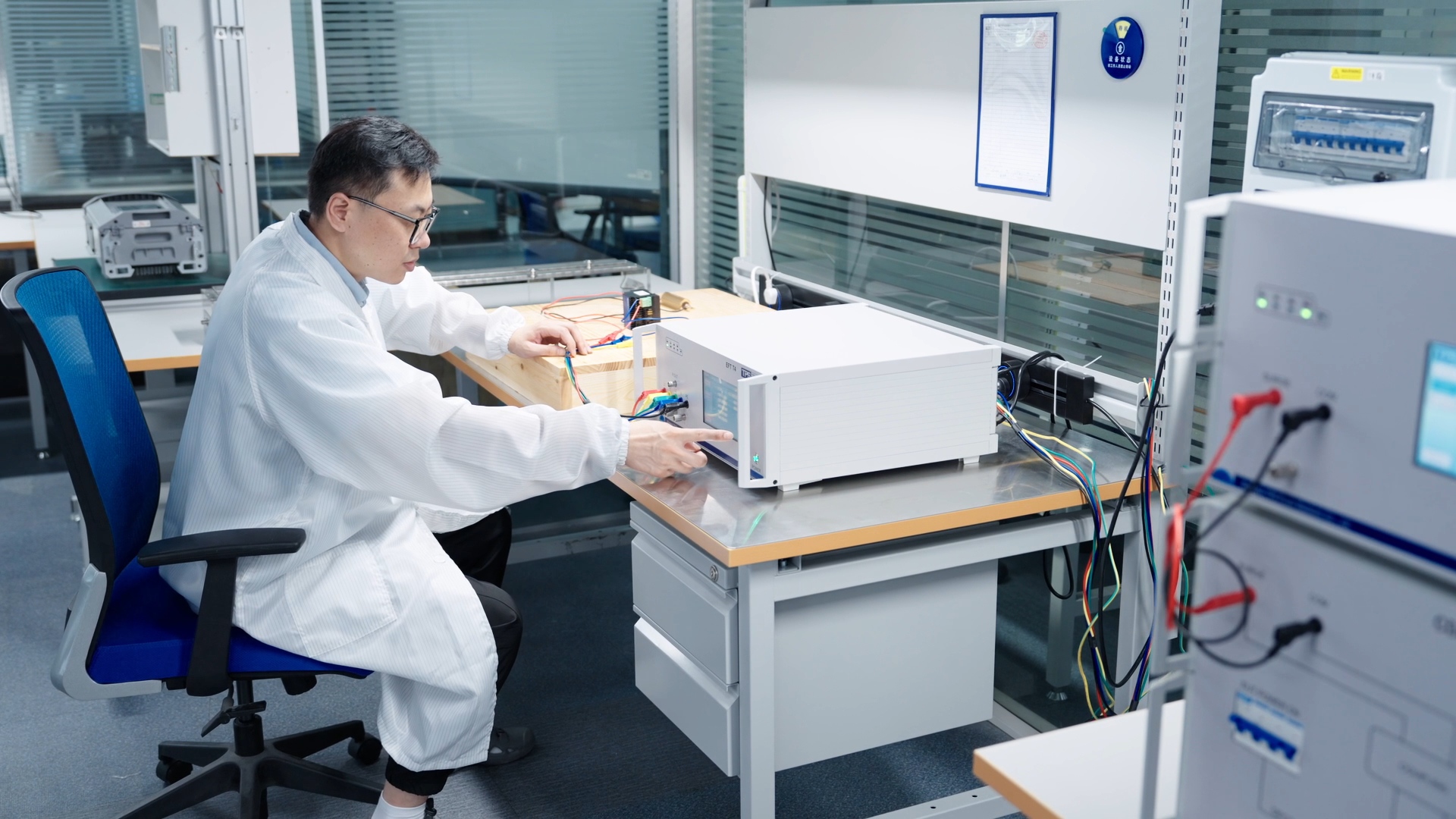
Real-world electromagnetic compatibility (EMC) failures can strike at the worst possible moments, turning a routine product launch into a scramble for answers. One common scenario involves radiated emissions where a seemingly harmless clock line acts like an unintentional antenna, spewing noise that disrupts nearby wireless receivers. These issues often surface only during final certification testing because earlier prototyping wasn’t done with production-representative enclosures or cabling. The lesson here is that EMC needs to be baked in from the start—shielding, grounding, and proper stack-up decisions can’t be afterthoughts.
Another frequent pitfall stems from poor transient immunity, especially in industrial or automotive settings. A product might pass all lab tests yet fail in the field because the test pulses didn’t quite replicate the fast, repetitive bursts found in real machinery. Designers often overlook the cumulative effect of multiple transients hitting I/O ports, where a single ESD diode isn’t enough. Building in headroom with ferrite beads, common-mode chokes, and thoughtful PCB partitioning can make the difference between a robust design and a costly recall.
System-level grounding mistakes are also a hidden source of grief. Splitting a ground plane to isolate analog and digital sections can look great in theory, but if return currents find unexpected paths, it creates emissions hotspots or susceptibility gaps. A better approach is to maintain a solid, continuous reference plane while carefully managing component placement and routing. Ultimately, avoiding these real-world failures boils down to marrying simulation with practical experience—testing early and often under conditions that mirror actual use, not just the idealized lab environment.
A Practical Approach to Pre-Compliance Without Expensive Labs
Diving into pre-compliance testing often feels like navigating a minefield of expensive equipment and consultancy fees. A more grounded approach starts with understanding the core standards your device must meet, then breaking those requirements down into segments you can verify with tools already at hand. This means leveraging a decent oscilloscope, a spectrum analyzer if available, and even some carefully built near-field probes to catch emissions early. By focusing on the most common failure points—like power supply noise, clock harmonics, and cable radiation—you can catch costly redesigns before they happen, all from your own bench.
Rather than aiming for a full accredited test in your office, shift the mindset to risk reduction. Use your limited setup to perform relative measurements: compare today's design against a known-good reference board, or sweep through operating modes while watching for changes in the noise floor. Document everything meticulously—ambient conditions, probe positions, and instrument settings. This isn't about passing a formal test; it's about building confidence that when you do visit the lab, there will be no surprises. Every issue you iron out at this stage saves a full day of expensive chamber time.
Collaboration with the test house can start much earlier than you'd think. Share your preliminary findings and the steps you've taken; engineers there often appreciate the effort and may suggest targeted tweaks before the formal run. This turns the final compliance test into a validation of your work rather than a frightening first look. With a methodical, iterative approach, pre-compliance becomes less about the gear you lack and more about the insights you've gained along the way.
Choosing the Right EMC Test Equipment for Your Setup
Selecting EMC test equipment can feel like navigating a maze, especially when you’re balancing cost, performance, and future needs. Start by mapping out the specific standards your product must meet—CISPR, IEC, MIL-STD, or others—because that determines whether you need a full compliant system, pre-compliance tools, or specialized immunity testers. Don’t just chase the lowest price; an underpowered spectrum analyzer or an antenna with mismatched frequency range will cost you more in troubleshooting and failed certifications. Consider the test environment: open-area sites, TEM cells, or shielded rooms each impose unique requirements on cables, connectors, and amplifier setups.
Future-proofing your test bench is just as important as meeting today’s needs. Look for modular systems or software-defined platforms that let you expand frequency coverage or add test functions without replacing the entire setup. Pay attention to automation capabilities—scripting, batch testing, and remote control via GPIB or LAN—since manual measurements quickly become unsustainable as your workload grows. Also, factor in the hidden costs of calibration cycles, annual maintenance contracts, and proprietary accessories; some vendors lock you into expensive follow-up purchases.
Finally, lean on real-world experience from other labs and engineers rather than just marketing specs. Visit trade shows, rent equipment before buying, or join online communities to hear unfiltered feedback about drift issues, user interface quirks, and long-term reliability. A slightly pricier instrument with superior signal fidelity, consistent performance, and responsive support can slash your time-to-market, which often outweighs the upfront savings. Remember: the right tool isn’t just the one with the biggest bandwidth or flashiest features—it’s the one that honestly fits your day-to-day measurement workflow.
Decoding Common EMC Standards Without the Jargon
Electromagnetic compatibility standards often feel like a maze of technical terms that only seasoned engineers can navigate. The reality is much simpler: these documents essentially describe how devices should behave so they don't interfere with each other. Think of them as etiquette rules for electronics — keep your noise to yourself and don't listen in on others.
Breaking it down further, emission standards set limits on the electromagnetic energy a product can release, whether through cables or radiated into the air. Immunity standards, on the flip side, define how much external interference a device must tolerate without misbehaving. Once you see them as two sides of the same coin, the numbers and test methods become less intimidating.
Real-world compliance means matching the right standard to your product’s environment. A medical device in a hospital faces different challenges than a factory robot. Instead of drowning in the details, focus on the core idea: your gadget should play nice in its electronic neighborhood. That’s the mindset that turns jargon-heavy specs into something you can actually work with.
Shielding, Filtering, and Grounding: Techniques That Actually Work
Effective shielding isn't about wrapping everything in copper tape—it's understanding field behavior. A floating shield can act as an antenna, coupling noise instead of blocking it. The trick is terminating the shield to a clean ground at one end for low-frequency electric fields, or both ends for high-frequency magnetic loops. The geometry matters more than the material; a thin aluminum enclosure with well-bonded seams often outperforms a thick steel box with gaps.
Filtering breaks down without a solid reference. A filter's attenuation curve in the datasheet means nothing if the ground connection has inductance. For conducted EMI, a common mistake is using a single capacitor to ground while ignoring the impedance of that ground path. Use feedthrough capacitors and three-terminal filters where possible, and always route the noisy return currents away from sensitive nodes—this is where layout beats component selection.
Grounding is mislabeled most of the time: we rarely mean the earth rod. Think of it as a return path for signals, not a magic dump. The real goal is controlling where current flows. Single-point grounds work at audio frequencies, but above a few MHz they create huge loop areas. Use meshed planes instead, and never split a ground plane under a high-speed trace—that slot turns into a slot antenna. Quiet signals need a quiet return; let the board do the work with intentional partitioning, not cuts.
FAQ
EMC testing checks whether electronic devices can operate without interfering with each other or being affected by external electromagnetic noise. It's crucial because interference can cause safety hazards, data loss, or malfunctions in everything from medical gear to cars. Passing these tests also unlocks regulatory approval for most markets.
The go-to methods usually include radiated and conducted emissions tests, along with immunity checks like electrostatic discharge (ESD), radiated RF immunity, and electrical fast transients (EFT). Open-air test sites, anechoic chambers, and TEM cells each have strong reputations depending on the device and frequency range you're dealing with.
Start with a thorough design review focusing on grounding, shielding, and filtering. Run in-house pre-compliance sweeps to catch early issues, and use near-field probes to pinpoint noise sources. Document your layout choices and test early prototypes under conditions that mirror the final setup. A dry run at a third-party lab before formal testing can save both time and money.
Messy cable routing and poor connector grounding top the list, followed by inadequate PCB stack-up design and ignoring common-mode currents. Overlooking firmware states during testing—such as leaving debug ports active—can also trigger unexpected emissions. Many teams also underestimate the impact of enclosures that lack proper seams or gaskets.
Pre-compliance testing is a diagnostic phase using benchtop equipment to identify trouble spots early. Full-compliance testing happens at an accredited lab and follows strict standards to produce certified results. Think of pre-compliance as a health check you control, while full compliance is the official exam that proves you meet legal thresholds.
These standards define the emission limits and immunity levels your device must meet for specific markets and environments. CISPR standards mainly address emissions, while IEC focuses on immunity. They give you a reproducible test framework so that results are comparable worldwide—without them, you'd have a free-for-all with no clear pass or fail criteria.
Look for accreditation such as ISO/IEC 17025, which ensures technical competence. Consider their experience with your product type and the frequency range you need. For in-house equipment, start with a spectrum analyzer and a set of probes, then scale to a TEM cell or shielded room as your budget allows. Visiting the facility and discussing your specific concerns with the engineers there often reveals more than any brochure.
Conclusion
Electromagnetic compatibility remains a cornerstone of reliable product design, yet many engineers underestimate its impact until costly failures arise. Real-world cases, from disrupted medical devices to malfunctioning automotive controls, show that even minor oversights in EMC can lead to safety hazards, recalls, or certification delays. A practical defense begins long before the accredited lab: pre-compliance testing using accessible tools like spectrum analyzers and near-field probes helps catch emissions and susceptibility issues early, shaping design fixes when they’re still cheap. Pairing this with a carefully selected setup—matching antennas, LISNs, and amplifiers to your product’s frequency range and standards—turns EMC from a gamble into a controlled, iterative process, giving teams confidence long before formal certification.
Understanding the standards doesn’t require a legal degree; stripping away the jargon reveals that most commercial and industrial limits share similar test methodologies rooted in protecting the electromagnetic spectrum. Once you see the common threads across CISPR, FCC, and MIL-STD documents, compliance becomes a matter of targeted design, not blind trial. Proven techniques like strategic shielding, proper cable filtering, and low-impedance grounding are not just textbook concepts—they are everyday tools that suppress noise at its source, interrupt coupling paths, and harden susceptible circuits. When woven into the design cycle alongside informed equipment choices and standard literacy, these methods consistently deliver robust EMC performance, proving that mastery is within reach for any dedicated team.
Contact Us
Contact Person: Lily
Email: [email protected]
Tel/WhatsApp: +49 (0) 2161 49526-0
Website: https://tps-elektronik.com/en/