

Best LLLT Laser Therapy: What You Need to Know
2026-07-11
Low-level laser therapy (LLLT) might sound futuristic, but it’s quickly becoming a go-to for pain relief, skin rejuvenation, and hair regrowth. With so many devices on the market, finding the best one can feel overwhelming. That’s where GUANG TAI steps in — offering cutting-edge LLLT solutions that balance innovation with real-world results. In this guide, we’ll break down what actually matters when choosing LLLT laser therapy, so you can skip the hype and get straight to what works.
How This Light-Based Treatment Actually Works
The process hinges on specific wavelengths of light that penetrate the skin at varying depths, triggering a cascade of biological responses without generating heat. When these photons reach the mitochondria within your cells, they’re absorbed by chromophores—molecules that act like tiny antennas for light. This absorption boosts the production of adenosine triphosphate (ATP), the fuel that powers nearly every cellular activity. As ATP levels rise, cells shift into a state of higher efficiency, repairing damage and regenerating faster than they normally would.
Beyond the energy surge, the light stimulates nitric oxide release from hemoglobin, improving microcirculation and oxygen delivery to tissues. This dual effect—enhanced energy plus better blood flow—creates an environment where inflammation subsides and collagen synthesis accelerates. Unlike lasers that rely on thermal injury to provoke a healing response, this treatment works with your body’s own rhythms, gently nudging it toward balance rather than forcing a repair process.
What makes this particularly clever is the way different wavelengths target distinct layers and concerns. Red light, for instance, sits in the 630-660 nanometer range and mainly addresses surface-level skin renewal, while near-infrared light, around 800-900 nanometers, reaches deeper into muscle and joints. By combining these wavelengths, the treatment can simultaneously calm surface redness and ease deeper aches, all without a single invasive step. It’s less like a high-tech procedure and more like a carefully tuned conversation with your biochemistry.
Myths About Cold Lasers You Can Stop Believing
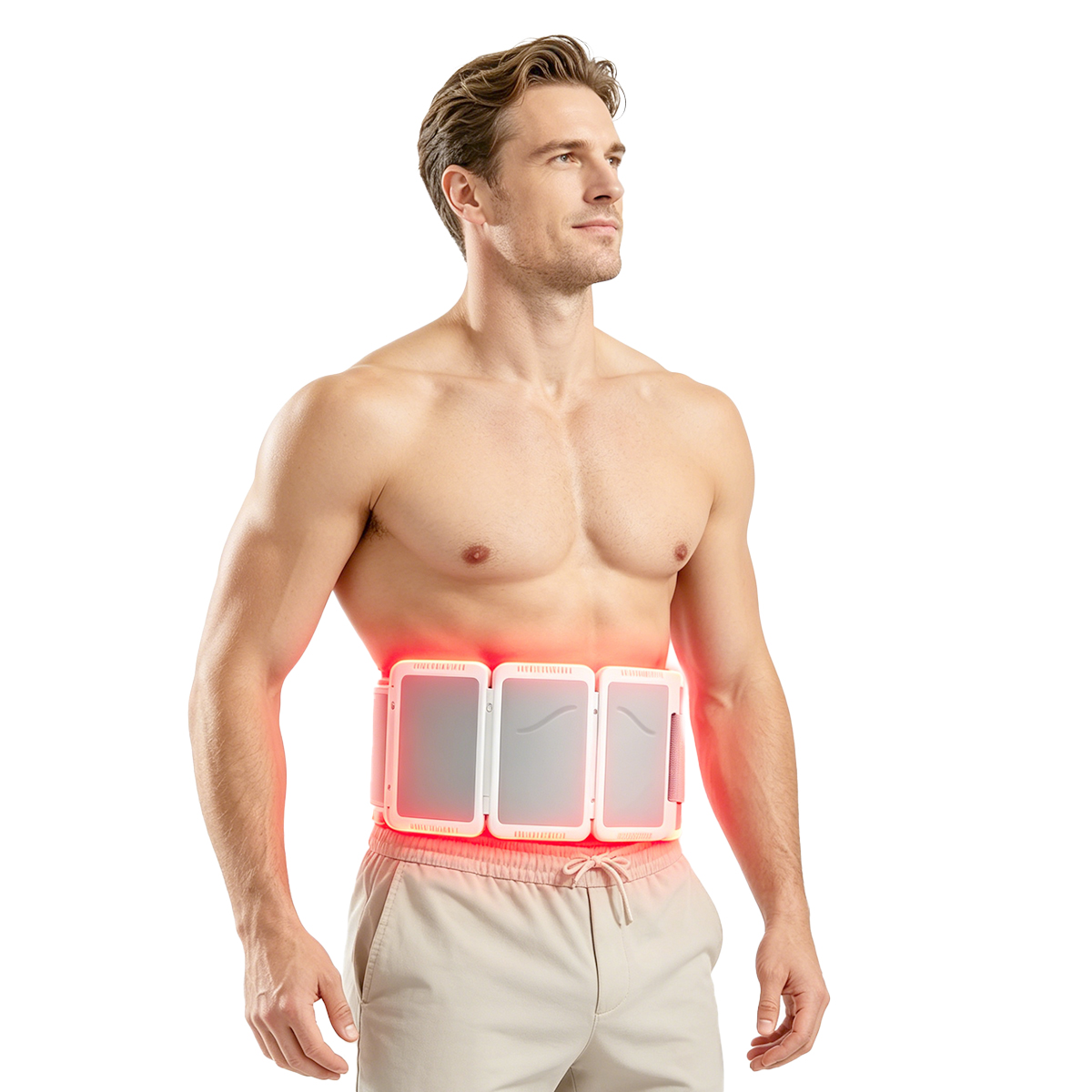
If you’ve ever hesitated to try cold laser therapy because you heard it’s painful or burns the skin, let’s clear that up right now. Cold lasers, also known as low-level lasers, don’t produce heat—hence the “cold” label. They work at wavelengths that penetrate tissue without raising temperature, so you won’t feel a thing beyond maybe a faint tingling sensation. It’s not a cauterizing tool; it’s more like a gentle nudge for your cells to repair themselves.
Another stubborn myth is that cold lasers are just expensive placebos dressed up in high-tech packaging. The science tells a different story. Thousands of studies, including ones on photobiomodulation, show that these devices trigger real biological changes—boosting ATP production, reducing oxidative stress, and dialing down inflammation. That’s why athletes, physical therapists, and even dermatologists rely on them for everything from chronic pain to wound healing. The results aren’t magic; they’re measurable.
Then there’s the fear that cold lasers are dangerous because of the word “laser.” Unlike surgical lasers that cut or burn, cold lasers operate at a fraction of the power and are non-ionizing. They don’t damage DNA or cause cancer. In fact, the main side effect might be mild fatigue after a session, which simply means your body is busy repairing itself. So if any of these misconceptions have been holding you back, it’s time to let them go and see what low-level laser therapy can actually do.
What Kind of Difference Real People Notice First
It’s rarely the big, planned transformation that catches someone’s eye. More often, it’s the quiet shift in how you carry yourself—a relaxed confidence that wasn’t there before, a genuine smile that reaches your eyes. People notice when your words feel less rehearsed and your laughter comes easier. That’s the kind of difference that registers before someone can even name what’s changed.
They might not realize you’ve been sleeping better or that you finally let go of that old resentment, but they’ll feel the absence of tension in the room. When you stop trying to impress and start simply being present, conversations deepen without effort. It’s in the pauses, the way you listen, the natural warmth you radiate now—little things that collectively shout that something good has shifted inside you.
And that’s exactly the point: real people don’t check for a list of improvements. They pick up on the energy you bring. If you’ve grown more patient, more curious, more comfortable in your own skin, it spills into everything you do. That’s the difference that turns heads—not perfection, but a truer version of you showing up, softly but unmistakably.
The Hidden Factor That Determines Your Results
When you strip away the noise of tactics, tools, and timelines, what remains is a quiet, often overlooked dimension that shapes every outcome: your internal operating system. This isn't about motivation or discipline in the traditional sense. It's about the deeply ingrained beliefs and emotional patterns that silently steer your decisions, often without your conscious awareness. You can have the best strategy in the world, but if a part of you doesn't truly believe you're capable of the result—or if success feels unsafe on some level—that hidden conflict will sabotage your efforts before they even begin. I've seen it in myself and in countless others: the moment you address that inner architecture, external results start shifting in ways that feel almost effortless.
Think of it like a thermostat in a room. You can open windows, bring in fans, or pile on blankets, but the thermostat will always work to bring the temperature back to its set point. In the same way, we each have an internal “set point” for what we allow ourselves to experience—be it wealth, love, health, or recognition. You might push beyond it temporarily through sheer willpower, but if you don't adjust the setting, you'll inevitably return to what feels normal, even if that normal is painful or limiting. The real work isn't grinding harder; it's gently uncovering and recalibrating that hidden baseline.
So how do you begin to shift it? It starts with radical honesty and self-observation, not judgment. Notice the moments when you feel resistance, anxiety, or self-doubt around a goal. Those feelings aren't barriers; they're clues. Journal about them, talk through them with someone you trust, or simply sit with them in stillness. Often, they trace back to old narratives—childhood experiences, cultural conditioning, past failures—that are no longer relevant. By bringing these hidden factors into the light, you loosen their grip. The result isn't just better performance; it's a newfound sense of alignment where your actions naturally produce the outcomes you once strained for. That's the hidden factor, and it's available to anyone willing to look inward.
Safety Insights Most First-Timers Miss
When stepping into a new activity, it’s easy to focus on the obvious dangers while overlooking subtle hazards that only become clear with experience. Novices often miss the importance of situational awareness—the small cues in the environment or in the behavior of others that signal growing risk. This isn’t something you read about in a manual; it’s learned through paying quiet attention over time.
Another blind spot is underestimating how gear or conditions can interact in unexpected ways. A tool that works perfectly in a controlled setting can behave differently when you're fatigued or the weather shifts. Seasoned participants know to double-check not just the equipment but the entire context before committing to a move. They’ve seen how small assumptions can snowball into serious incidents.
Finally, many first-timers don’t realize that mental readiness is just as critical as physical preparation. Stress, distraction, or a rush to impress others can cloud judgment and delay recognition of danger. Building a habit of pausing to assess your own state—and being willing to step back when things feel off—is a quiet rule that saves more people than any piece of gear ever will.
Blending Sessions Into Everyday Life Without the Hassle
Making time for a listening session often feels like scheduling another appointment in an already packed day. The secret is to stop treating it like a separate task and instead weave it into the moments you already have. Let the music become a natural companion to your routines—whether you’re prepping a meal, watering plants, or winding down in the evening. The key is ease: no elaborate setups, no pressure to analyze every note, just the simple act of letting the sound fill the space as you go about your life.
A curated playlist can be your greatest ally here. Instead of scrambling to choose what to play, have a few go-to collections ready for different moods or activities. Maybe it’s a calming sequence for morning coffee, an upbeat mix for tidying up, or something mellow for reading. The ritual is not about setting aside sacred time but about letting the music enhance what you’re already doing. Over time, these small integrations build a habit where sessions feel less like an effort and more like a natural backdrop to your day.
Technology can also lend a hand in keeping things effortless. Use smart speakers to start a session with a simple voice command, set sleep timers so you don’t have to stop manually, or sync playlists across devices so you’re never without your audio. The goal is to remove every small barrier that might make you hesitate. When the music is always just a button press away, blending it into your daily rhythm becomes second nature—no hassle, just a seamless part of how you live.
FAQ
LLLT, often called cold laser or photobiomodulation, uses low-intensity light to stimulate healing at a cellular level. Unlike surgical lasers that cut or burn tissue, these devices emit non-thermal photons that penetrate the skin without causing damage. They essentially wake up your cells to repair themselves faster.
There’s a growing body of clinical research backing it. Studies show it can boost ATP production, reduce oxidative stress, and modulate inflammation. It’s not magic—it’s photochemistry. That said, results can vary, and more standardized trials are always welcome.
Pain management is the big one—joint pain, muscle strains, arthritis. It’s also used for wound healing, hair regrowth, and even to calm nerve-related discomfort. Some athletes use it to speed up recovery, while dermatologists explore it for acne scarring.
Look at the wavelength (red light around 630-670nm is surface-level, near-infrared 800-900nm goes deeper), power density, and whether the specs are independently verified. Avoid anything that promises miracles overnight. A reputable brand will offer an honest treatment window—like several weeks of consistent use—rather than a one-session fix.
You’ll feel very little—maybe a gentle warmth or nothing at all. Sessions are short, usually a few minutes per area. Afterwards, some people notice mild soreness as the body kicks its repair into gear, but that fades quickly.
It’s considered very safe with virtually no downtime. Eye protection is a must because certain wavelengths can damage retinas. Don’t point it at cancers or over a pregnant belly. If you’re on photosensitizing meds, check with your doctor first.
Patience is key. For chronic pain, you might need 8–12 sessions over a month before feeling a real shift. Acute issues can respond faster. Results can be long-lasting but not necessarily permanent—maintenance sessions might be smart if the underlying cause isn’t addressed.
Conclusion
Low-level laser therapy (LLLT) works by delivering specific wavelengths of light that penetrate the skin and interact with cells, boosting energy production and reducing inflammation without heat or damage. It's easy to assume any laser must feel hot or be risky, but this isn't a tool for burning or cutting—it’s often called a cold laser for a reason. One of the biggest myths is that you need to feel something intense for it to be working. In reality, the process is so gentle many people feel nothing at all except a subtle warmth. When folks first try it, the initial shift they tend to report isn’t dramatic overnight transformation but rather a quiet kind of progress. Maybe it’s waking up with less stiffness, noticing skin texture feels smoother, or realizing that nagging discomfort has dulled enough to forget about for a while. These small wins stack up, and that’s where the real story begins.
What actually determines how well LLLT works often has less to do with the device itself and more with consistency and how you use it. The hidden factor is frequency—regular, properly timed sessions matter far more than blasting through a treatment now and then. It’s not magic; it’s biology, and your cells need repeated nudges to sustain repair mode. First-timers often overlook simple safety points like cleaning the treatment head between uses, wearing protective goggles for certain wavelengths, or avoiding direct eye exposure even with low-level light. Yet once you settle in, the routine can slide into daily life without chaos. Think of it like charging your phone: a few minutes while reading, watching TV, or after a shower, and it’s done. No commute, no waiting rooms, just a quiet habit that gives your body a chance to do what it wants to do anyway—heal.
Contact Us
Contact Person: Leon Yi
Email: [email protected]
Tel/WhatsApp: +86 17363316873
Website: https://zzgt.en.alibaba.com/