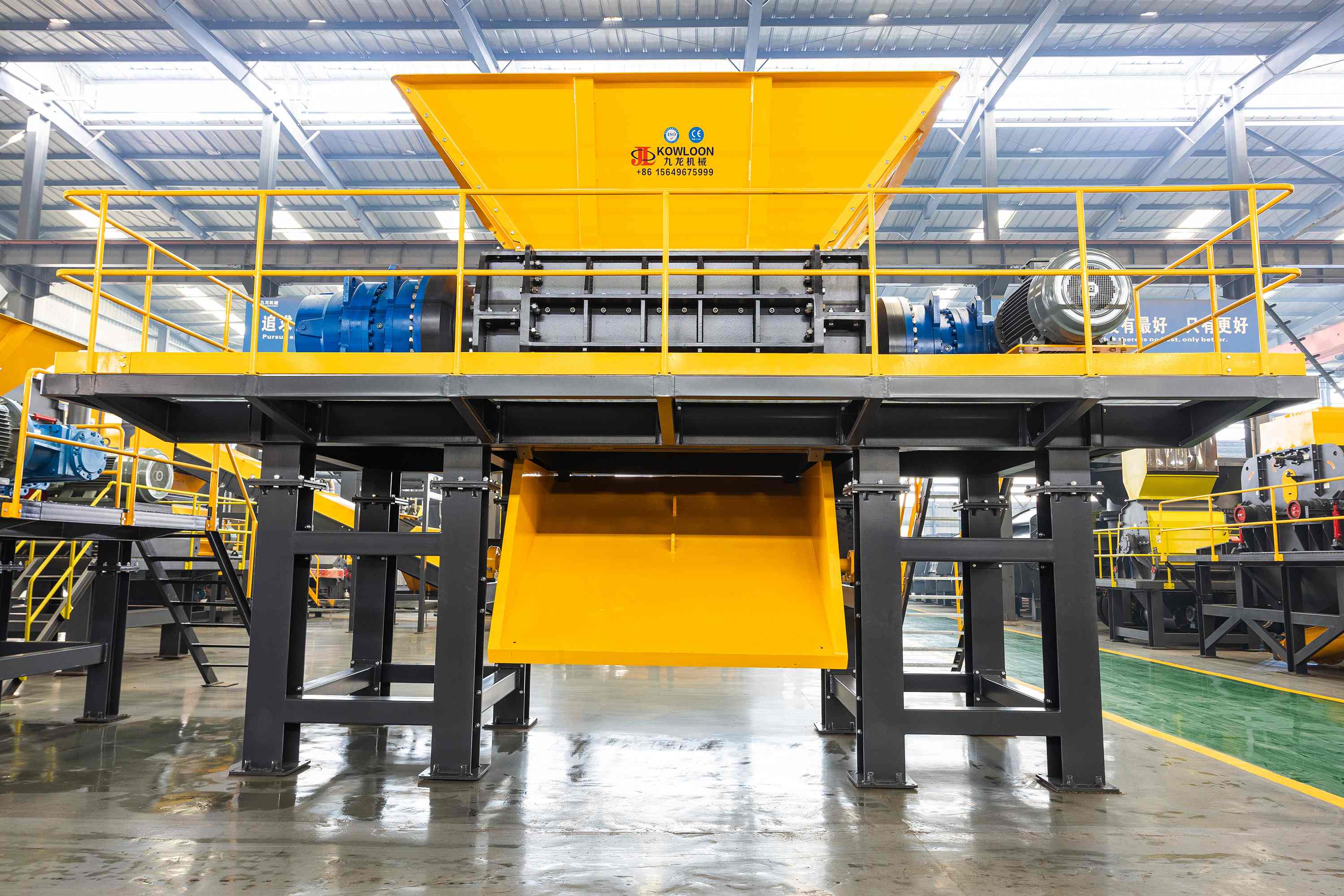

Biomass Shredder Rankings: Which Machines Deliver Superior Grinding Performance
2026-08-12
When it comes to converting agricultural waste, wood scraps, or other organic materials into uniform particles for fuel or composting, not all shredders are created equal. Top-tier machines blend brute force, smart engineering, and lasting durability. In our latest rankings, we cut through the noise to spotlight which biomass shredders truly excel in grinding performance. And among the contenders, one name keeps surfacing with proven reliability: Kowloon Machinery. Let’s dive into the models that redefine efficiency.
The Mechanics Behind High-Efficiency Biomass Grinding
Biomass grinding relies on the interplay of mechanical forces to break down fibrous, often tough plant materials into fine particles. The key forces at work include compression, impact, and shear, each playing a distinct role depending on the mill type and operating conditions. Compression occurs when material is crushed between two surfaces, while impact involves sudden collisions with fast-moving hammers or pins. Shear, arguably the most crucial for fibrous biomass, tears the material apart by sliding actions along the grain. Efficient grinding hinges on matching these mechanisms to the material's inherent structure—lignocellulosic fibers demand more shear, whereas brittle components respond better to impact.
The dynamics of particle size reduction are governed by energy input and residence time within the grinding chamber. As biomass enters the mill, initial breakage is rapid, but energy efficiency drops sharply as particles become finer due to the increased surface area and the cushioning effect of fines. High-efficiency systems often employ a two-stage approach: a primary coarse grinding followed by fine grinding, with air classification integrated to remove particles that meet the target size. This prevents over-grinding and reduces energy waste. The geometry of the grinding elements—be it hammer mills with swinging blades or disc mills with patterned grinding tracks—also dictates flow patterns and stress distribution, directly affecting throughput and power consumption.
Beyond mechanical design, the physiochemical properties of biomass have a profound impact on grindability. Moisture content is a double-edged sword: too high and the material becomes plastic, absorbing energy without fracturing; too low and it can become springy, resisting size reduction. Cell wall composition, especially lignin content, dictates hardness and fracture toughness. Pre-treatments like torrefaction or steam explosion alter these properties, making subsequent grinding significantly less energy-intensive. Modern advances focus on real-time monitoring of particle size and adaptive control of mill speed and feed rate to maintain optimal grinding conditions despite variability in feedstock, pushing the boundaries of what constitutes high-efficiency biomass grinding.
Top Contenders for Tough Materials: Wood, Straw, and Beyond
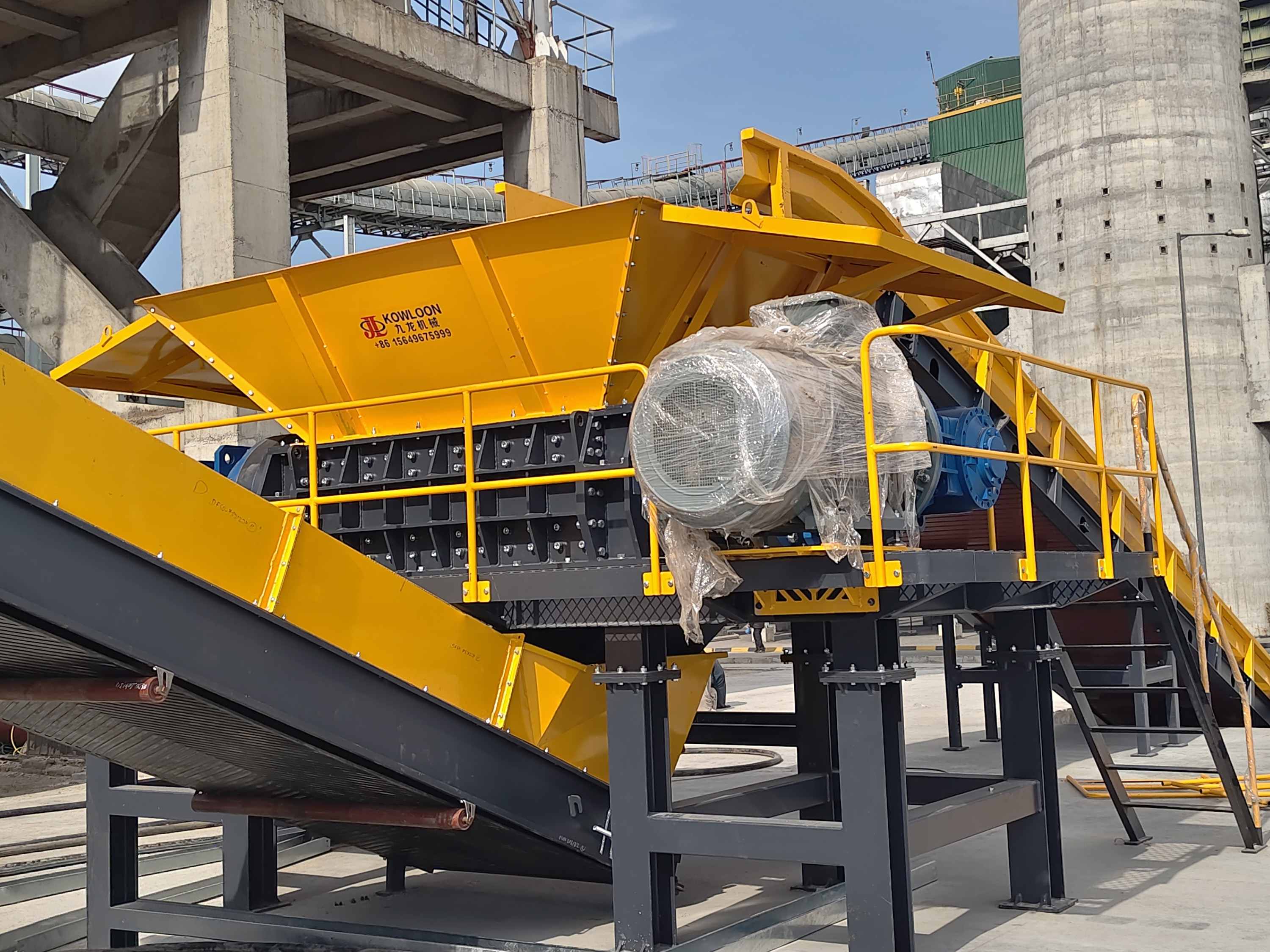
For centuries, builders and artisans have turned to the natural world for materials that withstand stress and time. Wood, with its fibrous structure and ability to bear heavy loads, remains a classic choice—whether it's oak framing a house or bamboo scaffolding climbing dozens of stories. But toughness isn’t just about density; it’s how a material handles tension, compression, and the occasional unexpected knock. That’s where straw comes in. Often underestimated, straw’s hollow stalks pack surprising resilience, especially when compressed into panels or bales. These tightly bound bundles distribute force evenly, making them a quiet champion in modern eco-construction.
Beyond the familiar duo, nature offers a lineup of lesser-known contenders that redefine what “tough” means. Take cork, for instance—its cellular makeup allows it to bounce back after being squashed, absorbing impact like a champ. Then there’s mycelium, the root network of fungi, which can be grown into strong, lightweight blocks that rival synthetic foams. These materials don’t just survive rough handling; they do it with a kind of built-in forgiveness, flexing rather than shattering. That blend of strength and adaptability is what keeps them in the running for everything from flooring to insulation.
What ties these natural options together is a shared ability to age gracefully. Wood develops a patina, straw panels settle into their shape, and mycelium continues to act as a living binder if conditions are right. Instead of weakening under years of humidity or temperature swings, they often get tougher, their defects evening out over time. That’s a stark contrast to brittle alternatives that crack the moment they’re pushed past a narrow limit. When you’re choosing a material that has to endure real-world chaos, the smart money is often on the ones that have been adapting for millennia.
How Throughput and Particle Size Define Shredder Performance
Throughput and particle size are the two pillars that directly determine how well a shredder performs in real-world conditions. Throughput, often measured in pounds or kilograms per hour, tells you how much material the machine can process in a given time. But a high throughput figure on a spec sheet can be misleading if the resulting particle size is inconsistent or larger than required for downstream processes. The true measure of efficiency lies in the balance between these two factors—pushing one often compromises the other.
Particle size isn't just about aesthetics; it controls everything from material flow in hoppers to the quality of recycled feedstock. A shredder that produces uniformly small particles at a steady rate saves time and money in sorting, washing, and reprocessing steps. However, chasing finer output usually means slowing down the rotor speed or using smaller screen holes, which directly cuts into throughput. This is where machine design becomes critical: cutter geometry, rotor inertia, and screen design all play a role in maintaining speed without sacrificing size control.
Operators who ignore this interplay often find themselves with bottlenecks or excessive wear. A shredder might boast impressive peak throughput figures when fed clean, uniform scrap, but real-world materials—mixed plastics, contaminated metals, or bulky waste—demand constant adjustments. Smart performance evaluation looks at sustained throughput at a target particle size distribution over hours of operation, not just short bursts. The best shredders are those that deliver a tight size range while keeping material moving, turning what could be a constant trade-off into a reliable process.
Maintenance and Energy Costs: The Hidden Performance Factors
Beyond the obvious operational metrics, maintenance routines quietly shape how equipment performs over time. Skipping preventive checks or delaying component replacements doesn't just risk breakdowns—it gradually erodes efficiency. A machine that isn't properly lubricated or cleaned works harder to deliver the same output, consuming more energy and producing less reliable results. This silent degradation often goes unnoticed until performance drops noticeably, making maintenance a critical but overlooked performance lever.
Energy consumption, similarly, is more than a line-item expense; it's a real-time indicator of system health and hidden inefficiencies. When equipment draws more power than expected, it's often compensating for wear, misalignment, or suboptimal settings. Tracking energy patterns can reveal these underlying issues before they escalate, essentially turning utility data into a diagnostic tool. By treating energy costs as performance feedback rather than a fixed overhead, organizations can uncover opportunities to fine-tune operations and sustain peak output without invasive interventions.
Real-World Tests: Which Brands Lead in Durability?
Dropped phones, spilled coffee, days spent in dusty workshops—some brands shrug off the abuse while others crack under pressure. In unscientific but telling everyday mishaps, certain names keep surfacing as survivors. Users report that devices from one particular manufacturer often endure drops that would shatter competitors’ screens, and their water resistance holds up long after the IP rating might suggest. It’s not just about lab certifications; it’s the accumulation of real-life “oops” moments that build a reputation.
Construction quality plays a quiet but crucial role. Beyond flashy marketing, the feel of a solid frame, responsive buttons that don’t stick, and charging ports that keep their grip after hundreds of plug-ins set some brands apart. For laptops, it’s the hinge that remains firm after years of opening and closing, the keyboard that doesn’t turn mushy. Those small triumphs come from using materials that don’t just withstand a spec sheet but the chaos of daily routines—whether that’s a muddy hiking trail or a toddler’s sticky fingers.
Still, even the toughest devices have weak spots. Some models excel in impact resistance but falter with prolonged heat exposure, while others handle moisture beautifully yet scratch too easily. The real leaders in durability aren’t defined by a single test but by how they deal with the unexpected: a sudden rainstorm, a slide off a car roof, a year in a handbag with keys. Ask around, and you’ll find the brand that consistently gets the nod for longevity earned it not in a pristine testing chamber, but in the trenches of daily life.
Innovative Features That Set Modern Shredders Apart
Gone are the days when a shredder simply tore paper into strips. Today’s advanced designs bring a mix of intelligent automation and robust engineering that actively senses and adapts to what you feed it. Auto-reverse mechanisms detect early signs of a jam and delicately back out the stack before trouble starts, while load-sensing technology adjusts motor torque in real time to handle everything from a single credit card to a thick envelope of documents without missing a beat.
Energy efficiency has taken a leap forward with smart sleep and wake systems that eliminate constant humming in the background. Many machines now slip into near-zero power draw after a few minutes of idleness and spring back to life the instant paper touches the feed slot. Silent shredding modes use dampened motor mounts and precision-cut gears to keep noise levels below casual conversation, so a quick disposal during a call doesn’t turn into an interruption.
Beyond the mechanics, antibacterial handles and bin coatings made from EPA-registered materials keep the touchpoints cleaner between emptyings. Visual fill indicators have evolved from tiny peepholes to full-front LED light strips that change color as the bin approaches capacity, so you’re never caught off guard. It’s this blend of thoughtful, user-centric touches and reliable heavy-duty internals that makes a modern shredder feel less like office equipment and more like a quietly capable assistant.
FAQ
The Vermeer HG6800TX and the Morbark 50/48X are often mentioned by operators for their consistent throughput and rugged build. The Jenz BA 725 has also gained traction in European markets due to its adjustable cutting system and efficient fuel use.
Tub grinders typically handle bulky, irregularly shaped material more easily, while horizontal grinders tend to produce a more uniform chip size and are often preferred when feeding longer wood waste. Your material type and desired output consistency will drive the choice, along with available space for maneuvering.
The cutter drum design, screen size, and feed system make the biggest difference. A well-designed drum with aggressive teeth reduces jamming, while interchangeable screens allow you to fine-tune particle size. Hydraulic feed rollers that adjust speed automatically also help avoid overloads and keep productivity steady.
Yes, some mid-range models from manufacturers like Doppstadt and Bandit provide good durability without the premium price tag. Look for units with simpler hydraulic systems and fewer electronic controls—these often mean lower repair costs and easier troubleshooting over time.
Electric shredders deliver consistent power with less maintenance and zero on-site emissions, making them ideal for stationary setups near a grid connection. Diesel units offer mobility and are better suited for remote sites, though they come with higher fuel and maintenance expenses. With rising fuel prices, many operations are considering electric conversion where possible.
Daily checks on cutter wear, belt tension, and hydraulic fluid levels prevent most unexpected downtime. Sharpening or rotating teeth before they get dull saves horsepower and fuel. Also, cleaning the radiator and air filters regularly is often overlooked but critical for preventing overheating in dusty conditions.
Some models handle both, but performance varies. Wet, fibrous materials like fresh wood chips tend to clog screens, while dry, brittle feed creates more dust. Machines with variable rotor speeds and interchangeable screen baskets adapt better. It’s worth asking manufacturers for trial runs with your specific mix before committing.
Conclusion
When evaluating biomass shredders, the interplay between mechanical design and material characteristics dictates grinding efficiency. High-performance machines employ advanced rotor configurations and customizable screen sizes to achieve consistent particle reduction, whether processing dense wood chips or fibrous straw. Throughput rates and final particle uniformity are not just spec sheet numbers—they directly influence downstream processes like pelletizing or combustion, making them critical metrics for operations that demand reliability. The top-ranked units in recent assessments excel by balancing aggressive material intake with precise sizing, often featuring variable speed controls and quick-change screens that adapt to different feedstocks without sacrificing output.
Beyond raw performance, real-world ownership costs separate standout shredders from the rest. Energy consumption and maintenance demands can quietly erode profitability if overlooked, so leading brands have integrated wear-resistant components and smart monitoring systems that predict service needs. Durability trials reveal that machines with reinforced cutting chambers and automated lubrication cycles consistently outlast competitors under heavy use. Meanwhile, innovations like anti-jamming algorithms and remote diagnostic interfaces are redefining operator expectations, making modern shredders not just powerful, but intelligently adaptive. Ultimately, the rankings favor models that prove their worth through sustained uptime and lower total cost of ownership, not just peak horsepower figures.
Contact Us
Contact Person: Ray
Email: [email protected]
Tel/WhatsApp: +86 13733817580
Website: https://www.zzkowloon.com/