

China Heat Resistant Conveyor Belt Options for High Temperature Applications
2026-11-16
High-temperature conveying is rarely about surviving a single heat spike. It’s about resisting gradual aging across thousands of cycles. That distinction is often missing when buyers compare China heat resistant conveyor belt options for high temperature applications. YUFENG approaches the problem differently—focusing on cover compounds and carcass design that keep their flexibility long after generic belts turn brittle. Here’s what to look for before your next purchase.
What Actually Happens to a Standard Belt Under Continuous High Heat
Under continuous high heat, a standard belt usually gives its first warning at the surface. The rubber cover starts to glaze, losing its natural grip and turning harder and shinier in spots. Plasticizers migrate out, and the compound stiffens until hairline cracks appear along flex lines and near the pulley contact areas. The belt can still move material, but it no longer cushions impact well, and small cuts or nicks begin to tear instead of staying local.
The damage moves inward faster than it looks from the outside. Heat dries out the skim compound between plies and weakens the adhesive bond. With repeated bending, tiny internal separations spread into soft blisters or shallow bubbles under the cover. Tension members also suffer: polyester can shrink and nylon can lose enough strength to reduce the belt's working tension, making edge rips and splice movement more likely.
Over time, the belt may also change shape and stop tracking straight. Uneven shrinkage across the width can create a curl or a camber that pulls the belt toward one side of the frame. Workers often chase the problem by adjusting idlers or take-up bearings, but the real issue is that heat has changed the belt's structure. Once a standard belt reaches that stage, switching to a heat-resistant cover and a carcass designed for sustained temperature is the more reliable fix.
Cover Compounds That Keep Working After Repeated Thermal Cycling
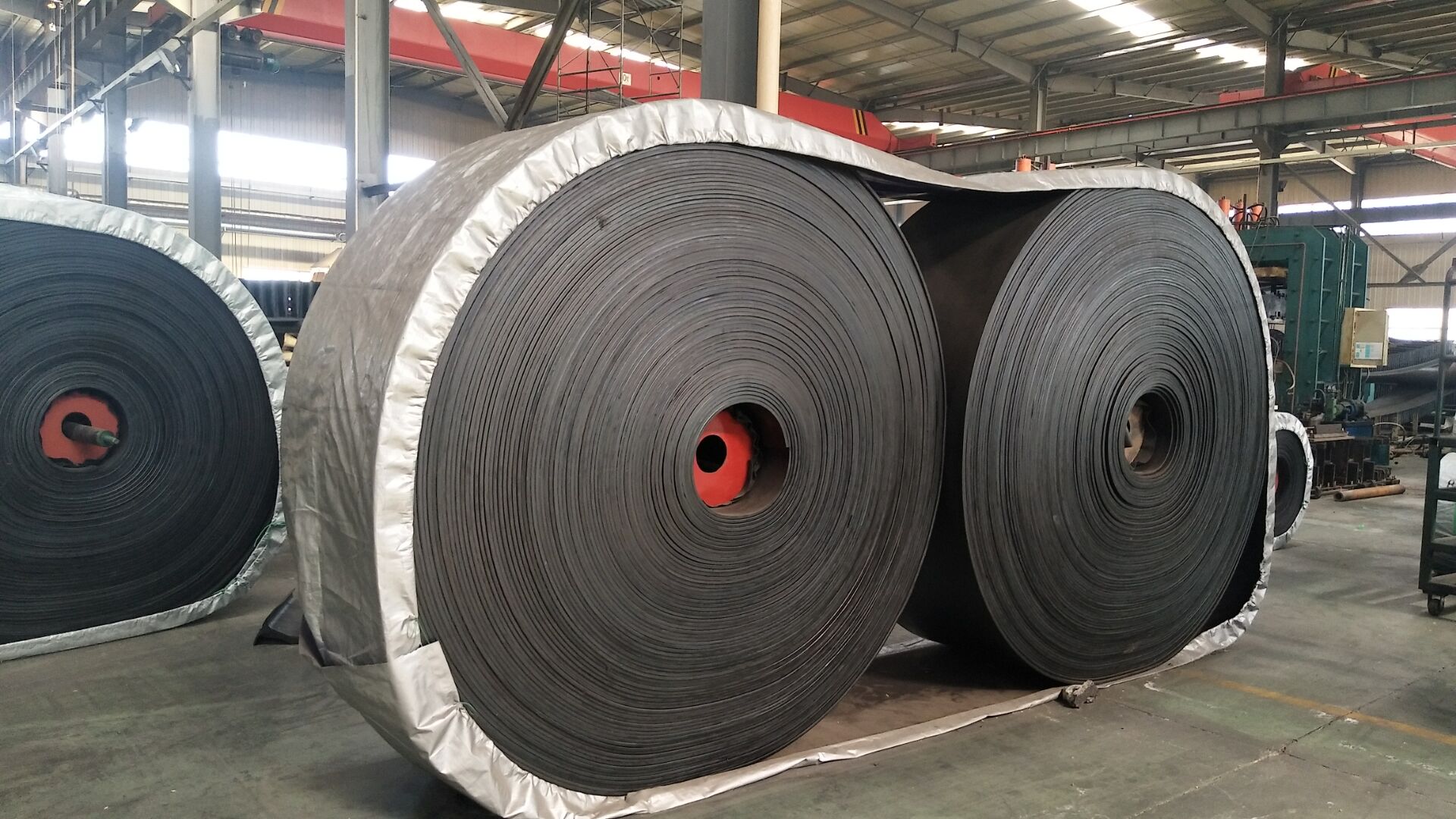
Repeated thermal cycling pushes protective coatings through constant expansion and contraction. A compound that survives these swings needs more than adhesion; it has to move with the substrate without tearing or losing contact. Rigid formulas tend to crack early, while formulations with tuned flexibility distribute stress instead of concentrating it at edges and interfaces.
The real difference often shows up in the filler package and cure profile. Low-stress resins combined with carefully sized mineral fillers reduce the mismatch in thermal expansion between the coating and the parts it protects. In practice, that means fewer micro-cracks after hundreds of cycles, and no sudden loss of dielectric or moisture-barrier properties once the assembly returns to room temperature.
Long-term performance also depends on how the compound handles repeated excursions at the high end of its temperature range. Oxidation and embrittlement can quietly eat away at margin even when the coating looks intact. Choosing materials that retain elongation after heat aging, not just on day one, is what keeps a cover layer functional through years of on-off load profiles and seasonal temperature swings.
Reading Heat Resistance Ratings Without Relying on Temperature Labels
A material stamped with a high heat tolerance often fails long before that number suggests, simply because the test conditions don't match real use. Instead of treating the printed figure as a guarantee, look at how the part behaves under sustained load, thermal cycling, or contact with oils and steam. A rating taken from a short burst of dry heat says little about what happens after a hundred slow warm-up and cool-down cycles.
Pay attention to the way the surface changes after repeated exposure. Softening, discoloration, warping, or a change in gloss often arrives well before the official threshold. These signs tell you more about the actual working ceiling than any label, especially in mixed-material assemblies where joints and seals tend to fail first.
When comparing options, ask which standard the rating refers to and whether it involves mechanical stress. A part that holds its shape while resting on a hot surface may deform quickly when it is also carrying weight. Reading heat resistance this way means checking the conditions behind the number, then testing the part in your own setup before trusting it.
Carcass and Splice Choices That Hold Up in Cement and Steel Plants
In cement and steel plants, conveyor belts rarely fail because of cover wear alone. The hidden damage usually starts in the carcass, where repeated impact from fines, hot clinker, or scrap steel works its way between plies. A polyester-nylon (EP) carcass with a dense weave tends to hold up better under this kind of punishment than standard cotton or low-grade synthetic constructions. For lines that carry heavy, sharp-edged material, a steel cord carcass offers more resistance to rip propagation and reduces the risk of sudden longitudinal tearing.
Splice selection becomes the make-or-break detail once the carcass is chosen. Hot vulcanized splices generally deliver the strongest bond and keep the belt's flexibility through the joint, which matters on smaller pulleys and high-tension drives. Cold-bond splices can work for emergency repairs, but their service life drops quickly when exposed to the heat and oil found around kiln discharge zones or rolling mill conveyors. Mechanical fasteners are rarely the long-term answer in these plants; they create a hinge point that catches fine dust and eventually cuts into the adjacent plies.
The practical approach is to match the splice to the operating temperature and the type of loading. For clinker belts running at sustained high temperatures, a multi-step vulcanization with heat-resistant cover compounds and an intermediate tie gum prevents delamination near the splice edges. In steel mill applications with frequent impact and edge damage, using a finger splice or reinforced step splice can spread stress over a longer section of the carcass instead of concentrating it at one butt line. Those choices are not always cheaper upfront, but they reduce the unplanned stoppages that cost more in lost production.
Matching Chinese Supplier Capabilities to Your High Temperature Process
High temperature processing exposes the gap between a supplier's catalog and their actual engineering depth. Rather than asking whether a Chinese manufacturer can build a furnace, look for evidence that they understand your specific thermal profile: ramp rates, soak times, cooling behavior, and the atmosphere inside the chamber. A capable partner will ask about the parts or materials you process, question uneven heating risks, and propose heating element layouts or chamber dimensions around those constraints. If the conversation stays on price and delivery, that is usually a sign the supplier is not really matching your process.
The details that matter most are rarely visible in a finished photo. Heating elements, insulation layers, door seals, and the way a chamber expands during repeated cycling all influence whether a high temperature system stays stable over time. Ask to see examples of similar work, especially applications involving sintering, annealing, brazing, or controlled atmospheres. Chinese suppliers with genuine high temperature experience can usually discuss their past furnace chamber materials, element type, and the operating limits they would not cross for a given load. That type of conversation separates component assemblers from thermal process builders.
Beyond the equipment itself, support around the process determines how well the match holds up. Clarify how the supplier handles commissioning, spare parts, and troubleshooting when a heating zone drifts or an atmosphere seal degrades. A supplier who keeps common elements and insulation in local stock, and who can send an engineer to inspect a failed zone, gives you much more than a machine. For high temperature production, that operational backup often matters more than a small difference in quoted kilowatt ratings.
Daily Operating Habits That Extend a Heat Resistant Belt's Service Life
Most early failures on a heat resistant belt have less to do with the compound than with the way the line is run. Feeding at a steady rate instead of dumping material in surges lets the cover absorb and release heat more evenly. Rapid thermal cycling during rushed startups or sudden stops is harder on the belt than high temperature alone, so giving the system a few extra minutes to warm up or cool down prevents the cover from cracking prematurely.
Built-up fines and dust are often overlooked, but they bake onto the hot surface and trap heat. Clearing them off with a soft scraper at the end of each shift keeps the cover from turning into an insulated, brittle layer. Tracking matters just as much: a belt that drifts slightly to one side will run hot along the edge guard, thin out, and eventually split even though the center of the belt looks fine.
Small blisters, edge nicks, or shallow cuts should be addressed while they are still surface-level. Under repeated heating and cooling, those spots expand faster than the surrounding rubber and quickly reach the fabric. A short repair done during planned downtime usually costs far less than a full splice replacement after the damage spreads.
FAQ
The rubber compound matters more than the label. EPDM-based covers with a high crosslink density hold up far better than an SBR blend that has been rated optimistically. Ask for aged tensile strength and elongation data after seven days at the target temperature, not just a flash heat test.
Cement clinker lines, steel mills, coke ovens, and power stations are the biggest users. Sinter handling and hot pellet transfer push belts into the 120°C to 200°C range on a regular basis, so local suppliers tend to build covers around EPDM or chlorobutyl rather than generic heat-resistant SBR.
Not necessarily. A belt rated for 200°C may sacrifice abrasion resistance or flexibility compared with one rated for 150°C. If your load is abrasive and only moderately hot, choosing the highest rating can shorten belt life through wear instead of heat damage.
Line up the same three numbers: aged tensile retention, aged elongation retention, and hardness change after exposure. Some factories report results at 100°C, others at 150°C or 175°C, which makes direct comparison misleading. Confirm the test duration too; 168 hours tells you much more than 24 hours.
Brief spikes can be managed if the cover compound has enough thermal stability, but repeated cycling between hot and cool conditions is the hidden killer. Cracking often starts at the cover surface, so a compound with good flex fatigue resistance under heat matters as much as the peak temperature figure.
Fabric carcasses, especially polyester-nylon blends, are more common for general high-temperature work because they absorb impact and track well. Steel cord appears more in long overland runs or very heavy loads, but heat transfer is faster through the belt, so cover thickness and insulation demand more attention.
Most larger factories can adjust cover thickness, compound blend, edge sealing, and breaker plies. Some offer a heat-shield layer under the top cover or special skim compounds to slow heat migration into the carcass. The practical constraint is usually minimum order quantity, especially for uncommon widths or compound variants.
A 6mm to 10mm top cover is typical. Thinner covers wear through quickly under abrasive hot lumps, while much thicker covers add weight and reduce troughability. The right choice depends on lump size, drop height, and whether the belt sees continuous or intermittent heat.
Conclusion
In most high-temperature operations, the real problem is not the occasional spike but the cumulative effect of heat on a standard belt. The rubber softens, the adhesion between plies weakens, and the top cover starts to crack long before the belt tears. That is why serious buyers look beyond a label printed with a temperature number. A cover compound that survives repeated thermal cycling matters more than a single peak rating, especially when loads cycle between hot clinker and cooler return runs. Reading aging tests, hardness change, and elongation after hot air exposure gives a far better picture than relying on a temperature label alone.
Equally important is what sits under the cover. Carcass construction, dip compounds, and splice methods have to tolerate sustained heat in cement and steel plants, where a weak splice can delaminate before the cover wears out. Chinese suppliers vary widely here; some offer solid EPDM or SBR-based compounds, others only tweak standard formulations, so matching the supplier's actual mixing and calendering capability to the process is the real purchasing decision. Once installed, habits like avoiding prolonged idler contact after a hot stop, keeping tension steady, and allowing gradual cooling during shutdowns extend service life more than many buyers expect.
Contact Us
Contact Person: Jayce
Email: [email protected]
Tel/WhatsApp: 8615318787602
Website: https://www.yuphengbelt.com/