

Custom Rotary Concrete Reclaimer Maximizes Concrete Batching Plant Output
2026-09-04
A one-size-fits-all reclaimer often leaves capacity on the table. But a custom rotary concrete reclaimer from Sinou is designed around your plant’s specific mix and workflow, maximizing every batch’s potential. Here’s how the right configuration can boost output while cutting waste and downtime.
Custom Angles and Drum Speed Keep Aggregate Moving, Not Bridging
By changing the angle of each internal flight, the drum no longer lets fine, damp aggregate ride along the shell as a compacted layer. The steeper pickup near the feed end throws material deeper into the gas stream, while flatter discharge flights slow the drop just enough to maintain a loose, rolling bed. This tailored geometry prevents the dead spots where material normally stalls and begins to stack up.
Drum speed is then matched to that flight pattern rather than left at a generic setting. A slight increase over the default rate keeps the veil open, allowing aggregate to fall through the hot air without colliding into a sticky curtain. If a particular blend starts to clump, reducing speed by only a few rpm often restores the tumbling action without sacrificing heat transfer.
The combined effect shows up most with high-recycle mixes or wet feed, where standard drums tend to bridge halfway along the shell. Here, the adjusted angles and controlled rotation keep every batch moving toward the discharge chute in a continuous, even flow, so operators spend less time clearing blockages and more time running material.
Recovering Cementitious Fines That Would Otherwise Clog Settling Basins
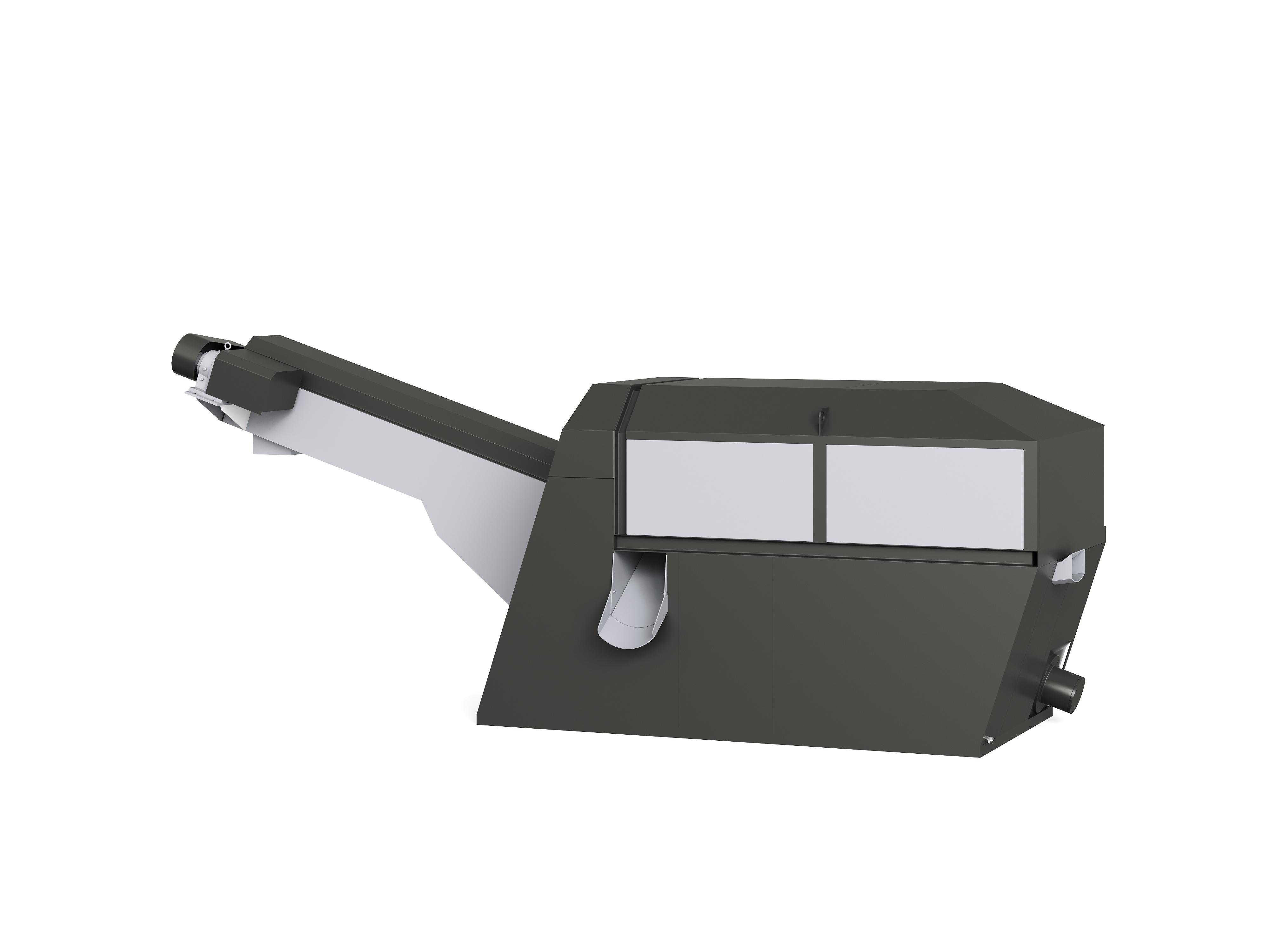
Washing out concrete trucks and equipment generates a slurry loaded with fine cement and aggregate dust. Left alone, these particles settle into a dense, sticky layer that steadily reduces the effective volume of settling basins and forces more frequent clean-outs. Instead of treating the accumulated fines as waste, several ready-mix plants now redirect the sludge through a simple recovery loop: slurry is pumped to a small clarifier or filter press, where water is separated for reuse and the cementitious solids are collected before they can compact at the bottom of the basin.
The recovered fines still retain hydraulic potential, especially when they are dried and lightly milled to break up clumps. Blending a controlled percentage back into fresh concrete mixes—typically five to ten percent by weight of total cementitious material—can maintain strength targets while lowering overall binder costs. Even where direct reuse in concrete is not permitted by local specifications, the material works well as a stabilizing base for temporary roads, as a fill for low-strength controlled-density backfill, or as a raw feed component in the plant's own block production.
Beyond the material value, keeping the fines out of settling basins changes the maintenance rhythm. Basins no longer need to be drained and dug out every few weeks, which reduces labor, downtime, and the risk of overflowing dirty water during heavy rain. The key is to size the recovery system to handle peak washout volumes without letting slurry sit long enough to harden in pipes. With careful scheduling and a simple paddle mixer ahead of the pump, the entire loop runs with minimal operator attention while turning a clogging nuisance into a steady stream of reusable fines.
Closed-Loop Water Reuse Cuts Batching Delays on Hot Days
On scorching summer afternoons, concrete batching often grinds to a halt when water temperatures climb past usable limits. Many plants haul in chilled water or wait for cooler hours, but a closed-loop reuse system sidesteps that entirely. By continuously recirculating process water through shaded holding tanks and heat exchangers, the plant keeps batch water within spec even when the asphalt outside hits triple digits.
The real savings show up in the schedule. Instead of pushing pours to early morning or late evening, crews can keep a steady rhythm through the hottest stretch of the day. One retrofit we reviewed ran for a full July without a single temperature-related delay, where the previous year logged eleven. That consistency trims idle truck time and keeps slump losses from turning into rejected loads.
Operationally, it is less about high-tech cooling and more about plumbing and patience. Settling basins, a modest pump loop, and a simple plate exchanger do the heavy lifting. The water gets a second job instead of a one-way trip to the drain, and the batching plant gets back the hours it used to lose waiting on the thermometer.
A Reclaimer That Fits Between the Existing Conveyor and the Aggregate Bins
The reclaimer slots neatly into the gap between the existing conveyor discharge and the aggregate bin inlets, turning what was once a fixed drop point into a controlled, reclaimable buffer. Instead of letting material pile up and bridge, the unit sweeps the full width of the bin row with a reversible belt and a traveling plow, so you can pull from any compartment without stopping the feed. It keeps the conveyor run short and the transfer simple—no extra towers, no re-routing of existing structure.
Because the machine sits right where the material used to free-fall, it uses the same elevation and footprint you already have. The only real change is that the bins now receive their feed from a moving carriage rather than a static chute, which means you can top up one bin while drawing down another. Operators like it because there is no new chute to plug, no dead spot under the head pulley, and the whole thing can be serviced from the existing walkway.
What sets this arrangement apart is the way it handles surge without adding height. When a bin is full, the plow simply moves on; when a bin runs low, the carriage returns and fills it. The reclaiming action keeps the material live, so even sticky or high-moisture aggregates don't hang up. It is a bolt-in upgrade that changes how the plant breathes, not how it was built.
Control Logic Synced to Plant PLC Means No Manual Dump Cycles
When control logic is synced directly to the plant PLC, manual dump cycles stop being a fallback for mismatched sequences. The PLC drives each step based on live inputs—level switches, valve positions, pump status—so the control system never has to guess whether a batch is truly complete. Dumps happen only when the process conditions are met, not when an operator notices a timer has run out.
This tight integration removes the need for an operator to manually trigger a dump, flush a line, or clear a stuck batch. The logic watches the same signals the PLC uses, so it knows the moment a vessel is empty or a transfer is finished. Instead of relying on a written procedure or a supervisor’s call, the system simply advances to the next step on its own.
As a result, plants see fewer premature dumps that waste product and fewer delayed dumps that hold up production. The operation runs cleaner because every cycle follows the same PLC-driven path, and the control room no longer has to keep someone assigned to dump duty just to keep things moving.
Measured Payback: Less Haul-Off, More Loads Out the Gate
On paper the math looks almost too simple. Every skip headed to landfill costs money, while every load that leaves under its own power can make money. The trick is knowing what's actually in the pile and whether it can be turned into something somebody wants. Measured payback starts with a hard look at the material stream, not just the tonnage.
The real difference shows up in the daily numbers. A site that used to send twelve roll-offs a week might cut that to four, because concrete gets crushed into road base, scrap steel gets sorted for a salvage buyer, and clean fill gets screened for reuse. Those saved haul-off fees drop straight to the bottom line, while the extra outgoing loads bring in cash that didn't exist before.
But you have to track it properly. A decent tally sheet separates avoided disposal costs from actual revenue per load, so you can see whether the crusher attachment or the extra labor is paying for itself. Without that measurement, you're just guessing—and guessing doesn't keep trucks moving out the gate.
FAQ
It separates leftover concrete into reusable aggregates and water, so the plant can recycle materials instead of sending them to landfill.
The rotating drum keeps material moving constantly, which speeds up separation and lets the plant process returned concrete without slowing down production.
Custom sizing and controls let the reclaimer match the plant’s specific mix designs, space constraints, and throughput targets, avoiding bottlenecks.
Yes, if engineered for the plant’s peak load, it can process large batches continuously, preventing trucks from waiting and keeping output steady.
Lower disposal fees, reduced need for fresh aggregate and water, and less downtime from clogged or overloaded systems.
Typically yes for many applications; the washing action removes most cement paste, so the aggregate can be blended back into fresh batches.
Regular lubrication of bearings and occasional inspection of the drum liner and spray nozzles keep it running reliably with minimal downtime.
Space for installation, water supply and drainage, expected return volumes, and whether the control system should integrate with existing batching software.
Conclusion
A custom rotary concrete reclaimer sits at the core of this batching plant's output gains. The drum angle and rotation speed were tuned specifically to the local aggregate mix, preventing the bridging and hang-ups that used to force frequent stoppages. Instead of letting cementitious fines wash into settling basins and harden into costly sludge, the reclaimer pulls them back into the process—recovering material that would otherwise be lost. On scorching days when water demand spikes, the closed-loop reuse system fed by the reclaimer keeps batch cycles on schedule, so trucks aren't waiting around for clean process water.
What makes this installation stand out is how it fits into the existing footprint. The reclaimer sits neatly between the existing conveyor and aggregate bins, without forcing a single relocation of major equipment. Its control logic is tied into the plant PLC, so dump cycles trigger automatically based on real-time production signals—no manual dump cycles, no guesswork. The result shows up in the numbers: haul-off costs dropped sharply while the number of loads leaving the gate each day climbed. For a plant already running near capacity, that extra throughput translates directly into more revenue per shift.
Contact Us
Contact Person: HaiYan
Email: [email protected]
Tel/WhatsApp: +86 18957325588
Website: https://www.senyoubeton.com/