

Custom Temporary Protective Film Solutions: Tailored Surface Protection for Every Project
2026-09-09
Off-the-shelf protective film is a gamble—one that often ends with adhesive residue on a freshly finished surface or a torn edge mid-transit. At Shire, we take a different route. Our custom temporary protective film solutions are built from the ground up to match the exact contours, adhesion levels, and exposure windows of your project. Whether you're safeguarding delicate veneers or heavy-gauge steel, tailored surface protection isn't a luxury—it's how you keep every job flawless. Let's look at what makes a custom approach worth it.
Custom-Cut to Fit Odd Shapes and Tight Corners
Most stock panels assume your walls and floors are perfect rectangles. Real homes, though, have curved archways, radiator pipes, and recessed nooks that refuse to cooperate. Custom cutting lets the material follow those contours exactly, so you end up with a clean edge instead of a gap or a forced patch.
A precise template or digital scan captures every jog and angle before the first cut is made. That means less time spent trimming on site, fewer wasted pieces, and no damage from repeated test fits. The pieces arrive ready to drop into place around obstacles without wrestling.
Once installed, the result looks like it was always part of the room rather than something added later. Tight corners are especially unforgiving—even a small miscalculation can leave a visible bulge or gap. Custom cutting removes that guesswork and keeps the finish flush against the wall or floor.
The Right Adhesive for Every Surface, From Polished Stone to Raw Wood
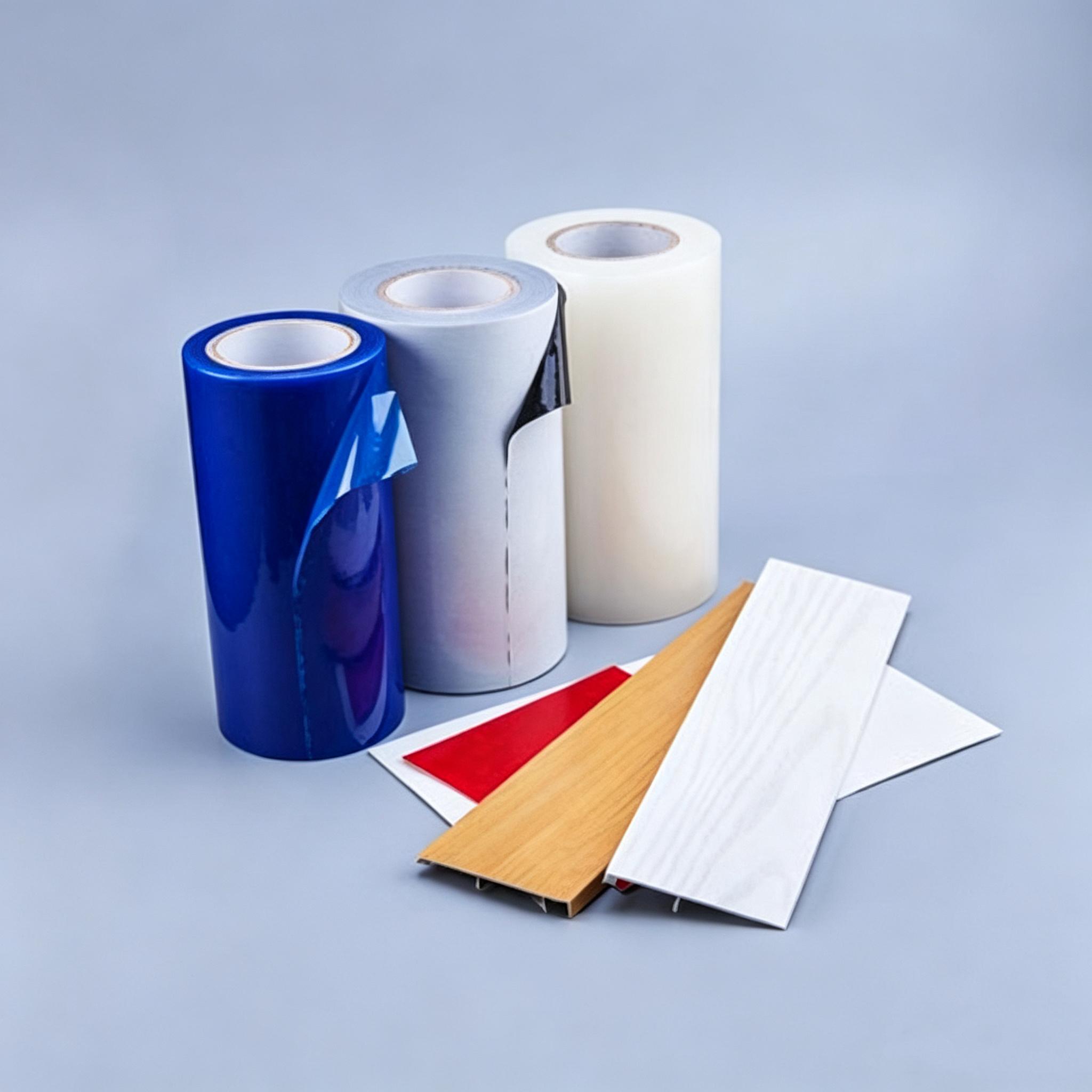
Choosing the right adhesive often comes down to understanding how a surface breathes, flexes, and holds weight over time. Polished stone, for instance, rejects anything that cures rigidly or leaves a visible film, while raw wood demands a bond that can move with its natural expansion and contraction. Ignoring these differences leads to failed bonds, unsightly residue, or worse—permanent damage to the material itself.
For non-porous, high-density surfaces like granite, marble, or sealed concrete, a high-tack polyurethane or a two-part epoxy designed for low-absorption substrates works best. These formulas grip without soaking in, preventing the adhesive from pooling or creating weak spots. On raw or unfinished wood, however, a water-based PVA or a modified silane polymer allows moisture to escape while maintaining a strong mechanical lock—ideal for joints that need to stay put through seasonal humidity shifts.
The real trick is testing a hidden corner first: apply a small bead, let it cure fully, then check for flexibility, residue, and how easily it peels or sands away. What works on a glass-smooth basalt tile will likely fail on a rough-sawn oak plank, and vice versa. Matching the adhesive's cure profile to the surface's porosity and movement is the difference between a repair that lasts a decade and one that fails in a season.
One Roll Won't Cover It All: Matching Film to the Job
The idea that a single film stock can handle every shooting situation is a quick route to disappointing results. Low-light interiors, bright midday exteriors, mixed fluorescent and tungsten sources, high-speed action, portrait work with subtle skin tones—each of these demands a different response from the emulsion. Pushing a 400-speed film two stops might save you in a dark venue, but it will also pump up contrast and grain in ways that might wreck a delicate complexion shot the next morning. Knowing what a film does well—and where it falls apart—is the first step toward choosing the right tool.
Start by asking what the job actually needs. Is it color accuracy under unpredictable lighting? A tungsten-balanced stock like 500T handles practical lamps and streetlights without turning everything orange, while daylight film used indoors without correction filters will shift badly. Need to stop fast motion in harsh sun? A slow, fine-grained film like Ektar 100 or Provia 100F gives you rich color and detail, but you'll need the light to support it. Conversely, a 3200-speed black-and-white film can pull images out of near darkness, but expect visible grain and softer shadow separation—great for gritty documentary work, not so much for a clean product shot.
There's also the matter of finish. Slide film punishes exposure errors ruthlessly but delivers punchy, saturated transparencies that many clients still want for projection or scanning. Color negative film forgives a stop or two of slop and scans with more latitude, making it a safer choice for fast-moving shoots. The job dictates the film, not the other way around—and treating each project as a fresh match between subject, light, and emulsion is what separates a thoughtful photographer from someone who just loads whatever is in the bag.
No Residue, No Scraping, No Surprises at Handover
A handover should feel like a clean break, not a checklist of overlooked corners. We treat every surface as if the next person moving in will run a finger along the edge of the worktop, open the oven door with the light on, and check the seal around the shower screen. Because that’s exactly what happens.
No residue means no smeared mirrors, no dusty skirting boards, no sticky film left on cupboard doors. No scraping means the oven, hob, and extractor filters are dealt with properly—soaked, degreased, and wiped down until nothing catches under a fingernail. We don’t smear polish over grime; we remove it first.
The result is a property that matches the inventory, with no last-minute calls about a missed window track or a limescale-crusted tap. Just a straightforward handover where the only surprise is how easy it was.
Surviving Jobsite Abuse While Keeping Surfaces Pristine
Jobsite conditions are rarely kind to finished surfaces. Drywall dust settles into every crevice, boots track mud across freshly laid tile, and leaning a sheet of plywood against a painted wall feels like a rite of passage. The first step to keeping things clean isn't a better cleaning product—it's accepting that protection has to happen before the mess, not after. Slapping down rosin paper or ram board on floors and wrapping countertops in corrugated plastic may look like extra work at the start of the day, but it saves hours of scrubbing later. The real trick is making that protection stick when people are in a hurry. Tape corners aggressively, overlap seams by a foot, and don't assume anyone will walk around your drop cloths. They won't.
When abuse does land on a surface—and it will—act fast but without panic. Wet spills on unsealed grout need blotting, not wiping, or you'll push pigment deeper. Scuffs on painted drywall often respond to a damp melamine sponge before you reach for touch-up paint. For stubborn marks, a little denatured alcohol on a rag lifts latex paint transfer without dulling the sheen, but test a hidden spot first. Keep a kit on site: clean white rags, a soft-bristle brush, mild dish soap, and a spray bottle of water. Harsh solvents may solve one problem and create a worse one, like etching stone or softening fresh caulk. Nobody notices the surface that stayed perfect, but everyone remembers the one that got ruined by a well-meaning scrub.
The long game is about setting expectations without sounding like a nag. A short morning huddle—two minutes, no lectures—where you point out which surfaces are cured and which are still vulnerable goes further than passive-aggressive signs. Mark wet paint with blue tape on switch plates, and put a physical barrier, not just a note, in front of a newly sealed floor. When a trade does damage something, handle it quietly and fix it fast. Blame slows the schedule more than the repair does. Keeping surfaces pristine on a jobsite isn't about being perfect; it's about building a rhythm where protection becomes habit and damage becomes rare enough to handle without drama.
Order What You Need, When You Need It, Without Overstock
Most stock problems start with a simple fear: running out. To avoid that, businesses often buy more than they need and end up with shelves full of products that move slowly. Ordering what you need, when you need it shifts the focus from guessing to responding. Instead of placing large quarterly orders, you place smaller, more frequent orders based on real sales or production signals. That way, inventory levels stay closer to actual demand.
Cutting out overstock doesn't mean operating on empty. It means matching your purchase timing and quantities to the pace of your business. You free up cash that would otherwise sit in boxes, reduce the risk of damage or obsolescence, and make your storage space work for fast-moving items. If demand changes, you can adjust your next order quickly rather than being stuck with months of supply you no longer need.
FAQ
They work on a wide range of surfaces including glass, metal, painted walls, countertops, and even delicate finishes like marble or polished wood. The adhesive is designed to peel away cleanly without leaving residue, so it's safe for materials that can't be exposed to harsh chemicals.
It depends on what you're protecting against. A thinner film (around 1-2 mil) handles dust and light scuffs during painting or renovation. For heavy foot traffic, construction debris, or sharp tool contact, you'll want something thicker, like 3-4 mil or more. If you're unsure, describe your project and we can recommend a specific gauge.
Yes, many of our films are UV-stabilized and water-resistant, so they can withstand weeks of outdoor exposure without breaking down or becoming brittle. However, prolonged exposure to extreme heat or freezing temperatures may shorten the recommended removal window, so it's best to plan accordingly.
That's exactly the balance we aim for. The film uses a pressure-sensitive adhesive that grips firmly during installation and use, but releases cleanly when you pull it back at a steady angle. For most surfaces, no sticky residue is left behind, even after the maximum recommended duration.
Absolutely. We can die-cut films to match specific dimensions, cutouts for hardware, or irregular shapes like curved glass panels. Just provide a template or measurements, and we'll produce pieces that fit precisely without excessive overlapping or trimming on site.
Most standard films are rated for 30 to 60 days of clean removal, depending on the surface and exposure conditions. Some heavy-duty options can go up to 90 days. Beyond that, the adhesive may begin to cure more aggressively, so we always recommend checking the specific product's guidelines before extended use.
No, the film is transparent and designed to be virtually invisible once applied. It won't alter the color, gloss, or texture of the protected surface, and it won't trap moisture that could cause clouding or staining. For high-gloss finishes, a low-tack version is available to avoid any interaction.
For standard sizes and materials, we usually ship within 2-3 business days. Custom die-cut or printed films may take 5-7 business days depending on complexity. If you're working on a tight deadline, let us know and we can often prioritize your order.
Conclusion
Surface protection often gets treated as an afterthought, but when you're dealing with a curved reception desk, a polished marble floor, or a window mullion with tight corners, a one-size-fits-all roll simply won't do. Custom temporary protective film changes that. Instead of wrestling with bulky sheets that peel or leave gaps, you get film cut precisely to the outline of odd shapes and sharp angles. The adhesive matters just as much as the shape—what grips raw wood without pulling fibers won't necessarily behave on polished stone, so the right chemistry prevents both slippage and damage. Matching film weight and tack to the job, rather than grabbing whichever roll is on the shelf, keeps surfaces safe without wasting material or time.
The real payoff comes later. A well-chosen film should peel away cleanly, leaving no residue behind that would require scraping or solvent cleanup before handover. On a busy site, that film also has to take abuse—foot traffic, paint splatter, dropped tools—while still protecting the surface underneath. Yet you shouldn't need to buy a pallet of film to cover a small renovation. Ordering exact quantities, cut to fit and deliverable when the schedule demands, avoids overstock and keeps storage clutter to a minimum. That kind of tailored approach means the film works with the project, not against it, from first cut to final walkthrough.
Contact Us
Contact Person: Jack Xu
Email: [email protected]
Tel/WhatsApp: 8615257328825
Website: https://www.temporaryprotectivefilm.com/