
DMR Repeaters in China: A Comprehensive Guide to Digital Mobile Radio Technology
2025-12-28
In the ever-evolving landscape of radio communication, Digital Mobile Radio (DMR) has emerged as a game-changer, offering enhanced clarity, efficiency, and versatility. For enthusiasts and professionals navigating China's dynamic repeater networks, understanding DMR technology is crucial to unlocking its full potential. At lisheng, we're passionate about demystifying these systems, empowering users with practical insights tailored to the local context. This guide dives deep into China's DMR repeater ecosystem, blending technical expertise with real-world applications to spark your curiosity and equip you for seamless connectivity. Let's explore how these digital networks are transforming communication across the country.
Understanding the Basics of DMR Technology in China
Digital Mobile Radio (DMR) technology has gained significant traction in China over recent years, driven by its ability to provide clear, efficient communication across various sectors such as public safety, transportation, and industrial operations. DMR operates on digital signals rather than analog, which helps reduce background noise and improves audio quality, making it particularly suitable for environments with high levels of interference. In China, the adoption of DMR is supported by government initiatives aimed at modernizing communication infrastructure, ensuring that businesses and public services can rely on reliable and secure two-way radio systems. This shift towards digital solutions reflects a broader trend in the country's push for technological advancement and operational efficiency.
One of the key features that sets DMR apart in the Chinese market is its interoperability and scalability, allowing organizations to seamlessly integrate these systems into existing networks without extensive overhauls. For instance, many Chinese companies leverage DMR for fleet management and logistics, utilizing its two-slot TDMA technology to double capacity compared to traditional analog systems. This efficiency not only cuts costs but also enhances coordination in fast-paced sectors like manufacturing and emergency response. Moreover, DMR's encryption capabilities address growing concerns over data security in China, where protecting sensitive information is paramount for both private enterprises and government agencies.
Looking ahead, DMR technology in China continues to evolve with innovations tailored to local needs, such as integration with IoT devices and smart city projects. This adaptability ensures that DMR remains a relevant tool for communication, especially as China invests in 5G and other advanced networks. By focusing on practical applications and cost-effective solutions, DMR has carved out a niche that balances reliability with future-readiness, making it a cornerstone of modern communication strategies across the country. As more sectors recognize these benefits, the technology is poised to expand further, solidifying its role in China's digital transformation journey.
Key Features and Benefits of DMR Repeaters
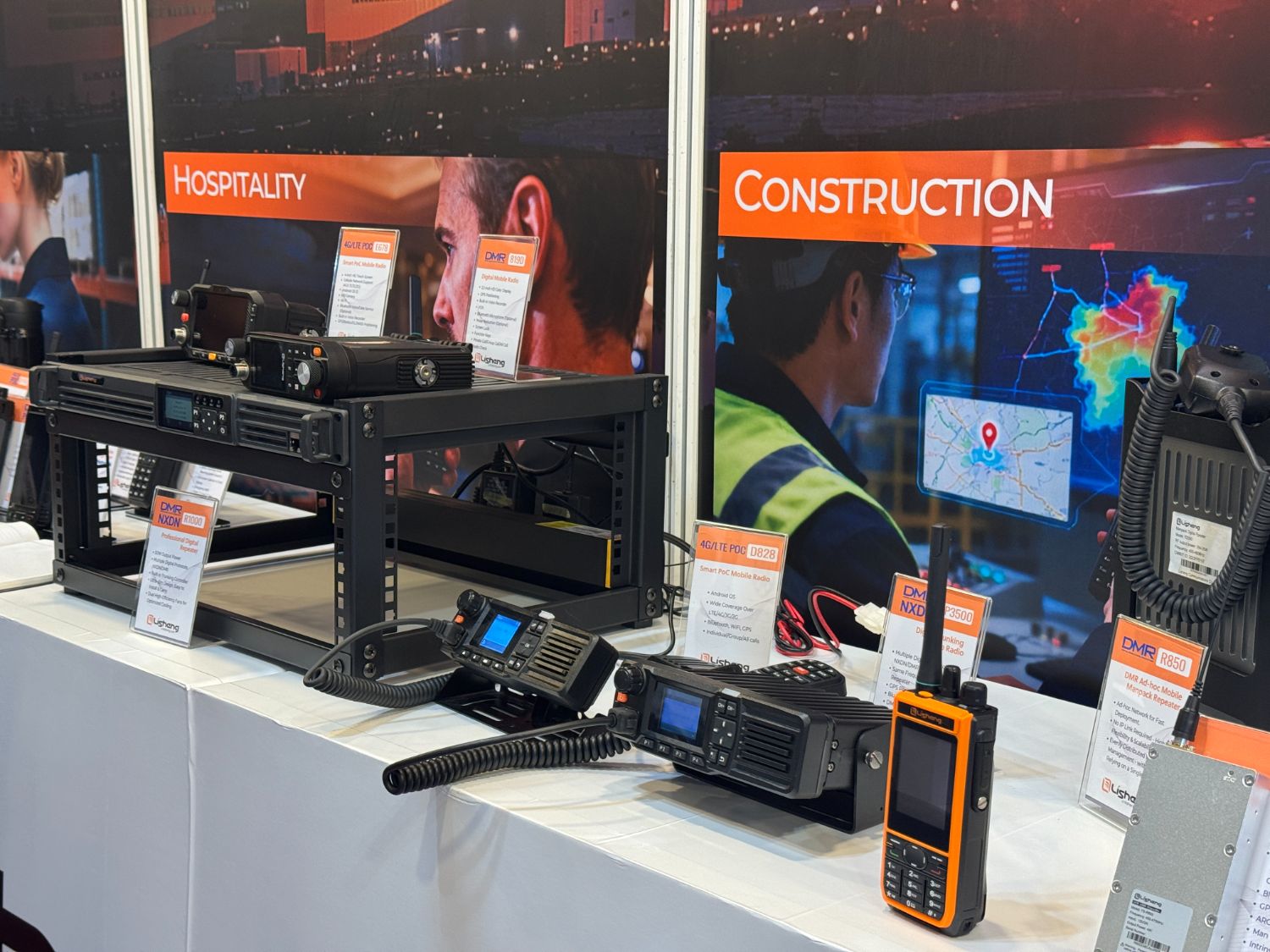
DMR repeaters stand out in the world of two-way communications with their ability to handle two conversations simultaneously on a single channel, thanks to Time Division Multiple Access (TDMA) technology. This means you can double your channel capacity without needing additional frequency spectrum—a game-changer for organizations looking to maximize efficiency and reduce infrastructure costs. But it's not just about capacity; these repeaters deliver crystal-clear audio quality that rivals digital phone systems, while also supporting advanced features like text messaging and GPS tracking, making them ideal for everything from emergency services to large-scale events.
What really sets DMR repeaters apart is their robust reliability and seamless integration potential. They're built to withstand harsh environmental conditions, ensuring consistent performance whether deployed in remote areas or urban settings. Plus, with interoperability baked in, you can easily connect different systems and devices, avoiding the pitfalls of vendor lock-in. This adaptability extends to their upgradability too—many models allow for software updates that keep them current with evolving standards, protecting your investment long-term without the hassle of hardware replacements.
Beyond technical specs, the benefits of DMR repeaters shine in their real-world applicability. From boosting talk range to enhance team coordination across vast distances to enabling secure, encrypted communications for sensitive operations, they empower users to communicate smarter and safer. Their energy-efficient design also cuts down on operational costs, while features like IP connectivity open doors for remote management and monitoring. In a crowded market, DMR repeaters deliver a balanced package of performance, flexibility, and value that simply outshines older analog systems or more niche digital options.
Installation and Setup Guide for DMR Systems
Getting started with a Digital Mobile Radio (DMR) system involves several key steps to ensure reliable communication from day one. First, you'll need to select the right hardware, such as radios and repeaters, based on your coverage needs and user count. It's crucial to check compatibility and read the manufacturer's manuals carefully, as settings can vary significantly between models. Don't rush this phase—taking time to plan out antenna placement and power sources can prevent headaches later.
Once your equipment is ready, the next phase focuses on configuration. This includes programming each radio with unique IDs, talk groups, and encryption keys if needed. Many users find it helpful to use software tools provided by the manufacturer, which streamline this process. Remember to test connections in a controlled environment before deploying widely, tweaking parameters like signal thresholds to optimize performance without interference.
After installation, ongoing maintenance is key for long-term success. Regularly update firmware to patch vulnerabilities and add new features. Also, set up a schedule to inspect antennas and cables for wear, as environmental factors can degrade signals over time. Encouraging user feedback can help identify issues early, making your DMR system not just functional but adaptable to evolving communication demands.
Legal and Regulatory Framework for DMR Use
When diving into the world of Digital Mobile Radio (DMR), one quickly realizes that it's not just about choosing the right gear—it's also about navigating a complex web of laws and regulations that govern its use. These rules are crucial for ensuring that communication remains secure, efficient, and free from interference. From frequency allocations set by national authorities to licensing requirements for operators, understanding this framework is the first step toward compliant and effective DMR deployment.
Different countries have carved out their own regulatory paths, making it essential for users to stay informed about local mandates. For instance, in some regions, DMR systems must adhere to strict encryption standards to protect sensitive data, while others prioritize spectrum management to prevent overcrowding. Compliance isn't just a legal obligation; it's a practical necessity that can influence everything from equipment selection to daily operational procedures. By keeping abreast of these evolving guidelines, organizations can avoid hefty fines and optimize their radio networks for long-term success.
Beyond the basics, the regulatory landscape for DMR is continuously evolving, driven by technological advancements and shifting policy priorities. Innovators in the field are often at the forefront, working with regulators to update standards that accommodate new features like data applications or enhanced interoperability. This dynamic interplay means that a proactive approach—regularly consulting official sources or industry updates—can give users a competitive edge. Ultimately, a solid grasp of the legal framework turns potential hurdles into opportunities for smoother, more reliable communication.
Maintenance Tips and Common Troubleshooting
Keeping your equipment in top shape isn't just about regular check-ups; it's about understanding what it needs at different stages of use. Start with the basics: make sure to clean filters and vents monthly to prevent dust buildup, which can lead to overheating. For moving parts, a light lubricant applied quarterly can keep things running smoothly without excess wear. Always refer to the user manual for specific care instructions—it's tailored to your model and can save you from common pitfalls. A little proactive attention goes a long way in extending lifespan and maintaining performance.
When things go awry, don't panic. Many issues have simple fixes you can handle yourself. If your device won't start, check the power source first: is it plugged in securely, or does the battery need charging? For strange noises, inspect for loose components or obstructions—sometimes a quick tighten or clean-out does the trick. Reset the device to its default settings if you're facing software glitches; this often resolves minor bugs. Remember, troubleshooting is a process of elimination, so take it step by step before considering professional help.
To really stand out in maintenance, go beyond the standard advice. For instance, if you're dealing with electronic gadgets, consider environmental factors like humidity control to prevent internal corrosion. Keep a log of maintenance activities and any issues that arise; this personalized history can help spot patterns and prevent recurrences. Also, join online communities or forums for your product type—user experiences shared there can offer unique insights and DIY solutions you won't find in manuals. By blending routine care with smart strategies, you'll keep your gear reliable and efficient for the long haul.
Future Trends and Innovations in DMR Networks
The landscape of DMR networks is poised for transformative shifts as emerging technologies redefine communication capabilities. One key trend is the integration of artificial intelligence and machine learning to optimize network performance in real-time. These systems can predict traffic patterns, automatically adjust channel allocations, and enhance security protocols without human intervention, making DMR networks smarter and more resilient. Additionally, the push towards 5G integration allows DMR to leverage higher bandwidth for data-intensive applications, such as live video streaming and IoT device management, expanding its utility beyond traditional voice communication.
Another innovation gaining traction is the development of hybrid networks that seamlessly blend DMR with other protocols like LTE or satellite communications. This hybrid approach ensures uninterrupted connectivity in remote or challenging environments, where standard DMR coverage might falter. For instance, emergency responders can switch between DMR for local, low-latency voice calls and LTE for high-speed data transfer, all within a unified system. Such flexibility not only boosts reliability but also opens doors for more collaborative and interoperable solutions across different industries.
Looking ahead, enhanced user-centric features are set to revolutionize how DMR networks are utilized. Innovations like advanced encryption methods and blockchain-based authentication are making these networks more secure against cyber threats, a crucial aspect for sectors like public safety and finance. Moreover, the rise of software-defined radios (SDRs) enables easier upgrades and customization, allowing organizations to adapt their DMR infrastructure without costly hardware replacements. These trends collectively signal a future where DMR networks evolve from basic communication tools into dynamic, integrated platforms that drive efficiency and innovation.
FAQ
DMR, or Digital Mobile Radio, is a digital two-way radio standard used in China's repeater systems to enhance communication reliability and capacity, often in commercial and emergency services settings.
In China, DMR repeaters are favored for their efficient use of bandwidth, improved audio quality, and support for text messaging and GPS tracking, making them cost-effective for large-scale deployments.
China's regulations require licensing and compliance with technical standards for DMR repeaters, focusing on spectrum management to prevent interference and ensure secure public and private communications.
DMR repeaters are widely used in industries like logistics, manufacturing, and public safety in China, enabling clear voice and data communication over long distances in challenging environments.
Compared to analog systems, DMR repeaters in China offer better noise resistance, increased channel capacity through time-division multiplexing, and enhanced data services, leading to more reliable operations.
Users in China may encounter challenges such as high initial costs, the need for technical expertise in digital systems, and navigating complex licensing processes to ensure legal compliance.
Recent trends in China include the integration of DMR repeaters with IoT devices and cloud-based management systems, improving scalability and remote monitoring capabilities for various applications.
Conclusion
The comprehensive guide to DMR technology in China begins by explaining the fundamentals of DMR, highlighting its digital nature for clear audio and efficient spectrum use in overcrowded urban areas like Beijing and Shanghai, where analog systems struggle. It blends key features such as improved call clarity, enhanced capacity, and robust security, making DMR repeaters invaluable for sectors like public safety, logistics, and industrial operations. As China expands its digital infrastructure, this technology offers reliable communication solutions that outperform traditional radio, ensuring seamless connectivity across diverse terrains and applications.
Practical aspects are covered in installation guidance and maintenance tips, emphasizing proper setup to comply with China's regulatory framework, which mandates frequency licensing and usage standards. The guide addresses common troubleshooting issues, such as interference or battery life, ensuring systems remain operational. Looking ahead, innovations like IoT integration, 5G compatibility, and AI-driven network management are shaping the future of DMR networks in China, promising smarter, more adaptive communication tools that keep pace with the nation's rapid technological advancements and growing demand for efficient digital radio solutions.
Contact Us
Contact Person: andrea
Email: [email protected]
Tel/WhatsApp: (+86)13960400802
Website: https://www.lishengradio.com/