

Eco Solution Soil Binder for Sustainable Ground Stabilization and Landscaping
2026-07-10
Ground stabilization doesn't have to come at the expense of the environment. As the demand for sustainable landscaping and construction practices grows, one solution is rising above the rest: MST’s eco-friendly soil binder. This innovative material transforms loose soil into a durable, erosion-resistant surface while keeping your project green. Whether you're looking to reinforce a pathway, prevent soil runoff, or create a stable base for turf, MST’s binder offers a clean, effective alternative to traditional chemical treatments. In this post, we’ll explore what makes it unique, how it works, and why it’s a game-changer for anyone committed to sustainable ground stabilization.
How Nature-Inspired Binding Restores Soil Stability
The remarkable capacity of certain organisms to glue soil particles together has quietly shaped landscapes for millennia. From the delicate filaments of fungi weaving through the earth to the sticky secretions of bacteria, nature’s own binding agents create a resilient matrix that resists erosion. By mimicking these biological processes, we can now formulate compounds that infiltrate the ground and form durable bonds at the microscale, effectively turning loose grains into a cohesive, load-bearing surface.
Unlike conventional stabilizers that rely on brute chemical force, these bio-inspired binders work with the existing soil structure rather than against it. They establish a flexible network that allows the ground to breathe and retain water while dramatically boosting shear strength. This approach sidesteps the brittleness and environmental toll of cement-based methods, offering a path that feels less like an industrial intervention and more like a gentle nudge towards a self-sustaining equilibrium.
Field applications reveal that soils treated this way withstand heavy rains and traffic with minimal maintenance, all while fostering plant growth and microbial life. The secret lies in the delicate interplay between the binder’s molecular architecture and the soil’s natural mineralogy—a symbiotic relationship that continuously adapts to changing conditions. In an age of soil depletion, such nature-derived solutions remind us that the best engineering often lies in simply learning from the ground beneath our feet.
Transform Dusty Paths into Firm, Green Thoroughfares
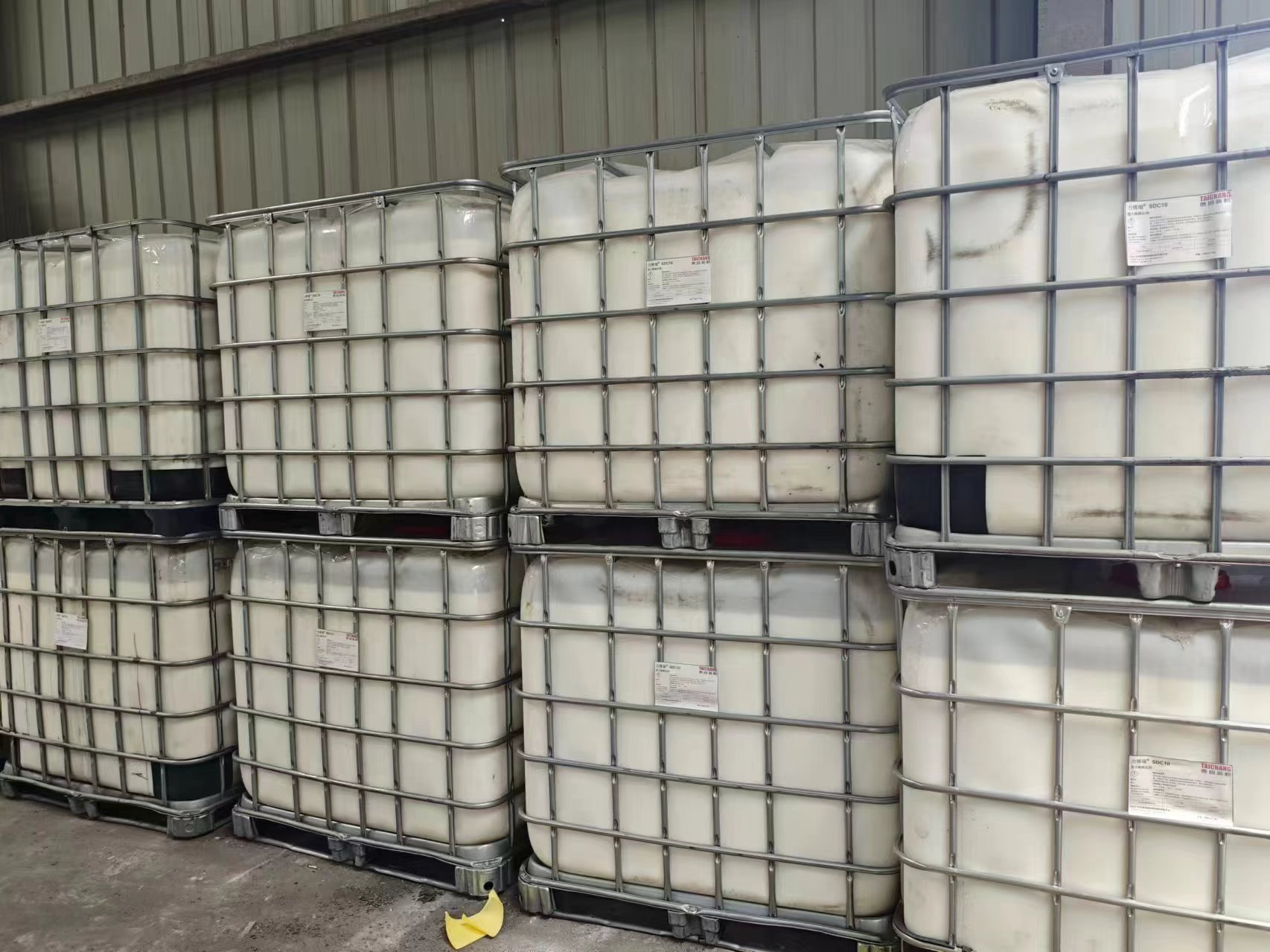
Dusty trails and loose gravel walkways are more than just a nuisance underfoot—they erode quickly, kick up clouds with every step, and leave behind a messy, uninviting landscape. The shift toward firm, green thoroughfares starts with rethinking how we bind the ground beneath us. Instead of relying on raw dirt or unstable fill, a blend of natural soil stabilizers and deep-rooted groundcovers locks soil in place, turning powdery surfaces into resilient, tread-ready paths that stay put even after heavy rain.
A practical approach we’ve seen work time and again involves layering permeable aggregates with live planting pockets. Crushed stone mixed with a small percentage of organic polymer hardens into a solid yet porous base, while low-growing thrushes and clover weave through the gaps, softening the look and absorbing runoff. The result is a thoroughfare that drains fast, feels solid beneath boots and bicycle tires, and quietly adds a ribbon of green without constant upkeep.
Long-term, these thoroughfares do more than just tame dust. They create cleaner air around homes and play areas, reduce mud tracking, and invite more time outdoors by making paths that feel permanent and pleasant. Once established, the vegetation becomes self-sustaining, and the stabilized surface rarely needs regrading. It’s a quiet transformation—turning a forgotten, dusty line through the yard into a functional, good-looking route that holds up season after season.
The Unseen Workhorse Beneath Your Landscape
Beneath every thriving garden, stretch of turf, or cluster of trees lies a bustling, hidden world that rarely gets the credit it deserves. It’s not the flashy blooms or the manicured hedges that do the heavy lifting—it’s the soil itself, a dynamic living matrix where roots, fungi, and billions of microorganisms toil around the clock. This subterranean network breaks down organic matter, cycles nutrients, and builds structure, all while acting as a silent engineer that determines how well your plants withstand drought, disease, and stress.
Perhaps the most remarkable partnerships unfold out of sight, such as the intricate dance between root tips and mycorrhizal fungi. The thread-like fungal hyphae extend far beyond the root zone, weaving through the soil to mine water and minerals, then trade them with plants for sugars produced through photosynthesis. This underground economy not only feeds individual plants but also links neighboring trees and shrubs into a communal support system, redistributing resources and even transmitting warning signals about pests. Without this unseen alliance, many landscapes would be drastically less resilient, regardless of what’s applied above ground.
Beyond nourishing plants, this uncelebrated workforce shapes the broader environment. A healthy soil ecosystem filters and stores water, preventing runoff and erosion long before they become visible problems. It sequesters carbon, moderates temperature swings, and gives life to the insects and worms that aerate the earth. When we ignore what lies beneath, we inadvertently weaken the foundation of the entire landscape. Recognizing this quiet workhorse means appreciating that the real beauty of a vibrant outdoor space starts with the teeming life underfoot, not just the aesthetics on display.
No Heavy Machinery, No Mess: Simple Application Steps
Getting a flawless finish doesn't have to involve bulky equipment or days of cleanup. The process starts with ensuring the surface is clean and dry—just a quick wipe with a damp cloth to remove dust or debris is usually enough. Once that's done, you're ready to move forward without ever needing to rent a sander or wrestle with industrial tools.
Application itself is refreshingly straightforward. Most products come with a built-in applicator or a simple brush, letting you spread an even coat in minutes. There's no dripping, no airborne particles, and no protective gear beyond maybe a pair of gloves. It’s the kind of task you can knock out between other weekend plans, without turning your space into a worksite.
Cleanup is equally painless. Water-based formulas rinse off hands and tools with just soap and water, while any accidental splatters can be wiped away before they set. You won't be left with lingering odors or hazardous waste to dispose of—just the satisfaction of a job well done and a surface that looks professionally refreshed.
Why Project Budgets Lean Toward Eco-Friendly Binders
Cost-conscious project managers are discovering that eco-friendly binders don't just align with sustainability goals—they actually keep budgets in check. Traditional binders often rely on petroleum-based plastics and chemically treated covers, which can trigger volatile price swings tied to oil markets and regulatory compliance costs. Plant-based or recycled alternatives, on the other hand, sidestep these unstable inputs, offering more predictable sourcing expenses. Plus, many suppliers now price their green options competitively, narrowing the premium that once made sustainability a luxury. Over the course of a multi-year project, that price stability alone can prevent mid-cycle budget surprises and reduce the need for costly contingency funds.
Beyond raw materials, the operational lifecycle of eco-friendly binders quietly removes hidden costs. Lightweight, durable designs—often a hallmark of greener products—cut shipping and storage expenses, especially for large-scale projects where every pallet counts. Some models are engineered for reusability, with replaceable components that extend their lifespan far beyond that of vinyl or PVC binders, which tend to crack and peel under heavy use. Less frequent replacement means fewer rush orders, less downtime, and a smoother procurement rhythm. Maintenance crews also appreciate the absence of off-gassing odors or toxic residues, which can demand special handling or slow down workspace turnover during renovation or reorganization phases.
There’s also a subtle but powerful influence on team morale and stakeholder perception. When a project visibly invests in earth-conscious supplies, it sends a signal that the mission values long-term thinking over disposable shortcuts. This can translate into more engaged contractors, easier buy-in from eco-aware clients, and even preferential treatment from grant programs or public-sector partners that prioritize low-impact vendors. In competitive bidding environments, the ability to cite measurable reductions in waste and carbon footprint—without inflating the bottom line—often tips selection committees in your favor. Ultimately, the budget leans toward these binders not because they’re trendy, but because they deliver hard financial advantages wrapped in a forward-looking package.
Durable Results Without the Concrete Footprint
True resilience in modern construction doesn't demand a reliance on heavy, carbon-intensive materials. By rethinking structural cores and embracing advanced composites, projects can achieve lifetimes measured in centuries while leaving behind a lighter environmental trace. This shift isn't about compromise—it's about outperforming traditional methods with ingenuity that sidesteps the hidden costs of concrete production.
We engineer solutions that anchor firmly in the landscape without dominating it. Our approach uses tensile geometries and bio-based binders to create spaces that age gracefully, resisting corrosion and seismic stress with minimal maintenance. The result is a built environment that gives back to its surroundings rather than simply occupying them.
Clients often discover that stepping away from conventional foundations opens up unexpected design freedom. Flowing forms, rapid assembly, and reclaimed material streams become natural extensions of a philosophy that measures success not by weight, but by lasting value. It's durability redefined—intelligent, lean, and quietly transformative.
FAQ
It's a liquid polymer that bonds soil particles together at the molecular level. Once diluted with water and applied, it penetrates the ground and forms a durable, flexible crust that stabilizes loose soil without changing its natural appearance.
You get immediate dust control, reduced erosion, and improved load-bearing capacity. It’s also non-toxic, easy to apply, and far less disruptive than hauling in gravel or using heavy compaction equipment.
Absolutely. Landscapers use it for pathways, slope reinforcement, decorative gravel lock-in, and even to stabilize soil around tree roots. It keeps mulch and aggregates in place while allowing water to pass through.
Yes, it's water-based, biodegradable, and free of harmful chemicals. By stabilizing soil in place, it cuts down on the need for imported materials like asphalt or concrete, reducing carbon footprint and preserving natural terrain.
You simply mix the concentrate with water and spray it onto the prepared surface. Coverage varies by soil type, but typically one gallon of concentrate treats 50 to 100 square feet. A second light coat after the first dries often boosts longevity.
Unlike cement, it doesn’t make the soil rigid or alkaline, and it won’t crack over time. It's also faster to apply, doesn't require heavy machinery, and maintains natural permeability, so puddling is rarely an issue.
Conclusion
Eco Solution Soil Binder taps into nature’s own playbook to restore and reinforce soil stability without the heavy hand of concrete or machinery. By mimicking the way plant roots and fungal networks lock particles together, this binder turns loose, dusty ground into a firm, resilient surface that still lets water breathe through. It’s the kind of quiet transformation that works beneath the surface—strengthening pathways, slopes, and landscaped areas while staying nearly invisible. You apply it with simple tools, spraying or mixing it into the soil, and within hours you have a stabilized area ready for foot traffic or even light vehicles. There’s no excavation mess, no curing time measured in days, and no carbon footprint weighing down your project’s credentials.
What sets this binder apart in real-world projects is how it aligns budget consciousness with long-term durability. Instead of cracking and spalling like rigid alternatives, it flexes with the ground, resisting erosion from rain and wear without constant upkeep. Landscapes stay green and permeable rather than sealed under impervious slabs—paths become natural thoroughfares that drain well and support vegetation right up to the edge. Teams lean toward this solution not just for the upfront savings on materials and labor, but because it avoids the lifetime costs of repairs and runoff management. The result is a stabilised surface that works with the ecosystem, holding up season after season while leaving behind nothing but a lighter touch on the land.
Contact Us
Contact Person: Helen
Email: [email protected]
Tel/WhatsApp: 86 18630661160
Website: https://www.roadmilestone.com/