

Electric Press Brake Manufacturing: Innovations for Precision and Efficiency
2026-01-08
Welcome to the cutting edge of industrial innovation where precision and efficiency transform the workshop floor. In the world of electric press brake manufacturing, every detail matters—from advanced mechanical design to smart automation that drives productivity. At JIAN MENG, we're redefining what's possible, blending technology with craftsmanship to create machines that not only meet but exceed industry standards. As demands for accuracy and sustainability grow, our solutions are paving the way for a smarter, more reliable future. Dive into this blog to explore the latest innovations that are shaping the next generation of manufacturing.
Advanced CNC Controls: Redefining Precision in Metal Forming
In the realm of metal forming, CNC controls have evolved from basic automation tools to sophisticated systems that fundamentally transform precision. These advanced controls integrate real-time feedback loops, adaptive algorithms, and user-intuitive interfaces, enabling operators to achieve tolerances previously unattainable. For instance, in processes like deep drawing or stamping, they dynamically adjust parameters such as speed and pressure, compensating for material variations to ensure consistent, high-quality outputs with minimal waste.
What sets modern CNC controls apart is their ability to learn and optimize over time, moving beyond static programming. They incorporate predictive maintenance features and data analytics, allowing manufacturers to preemptively address potential issues before they impact production. This not only enhances accuracy but also boosts operational efficiency, reducing downtime and extending machinery lifespan in demanding environments like automotive or aerospace fabrication.
Ultimately, by redefining precision, these advanced controls empower industries to push the boundaries of design complexity and material usage. They facilitate intricate geometries and lightweight structures, driving innovation in sectors that rely on exacting standards, while making metal forming more agile and cost-effective in a competitive market.
Automated Tooling Systems: Enhancing Setup Speed and Flexibility
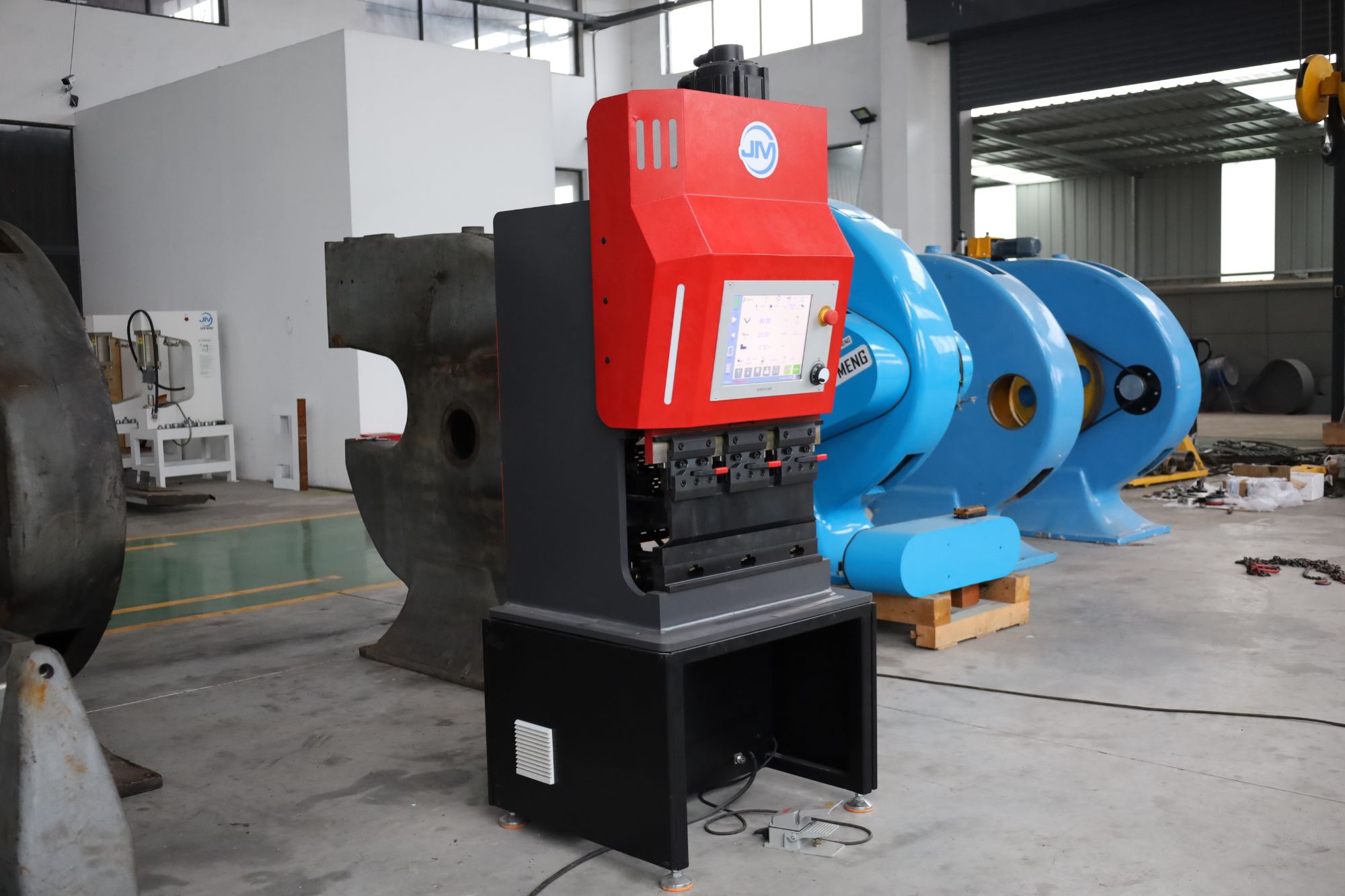
In today's fast-paced industrial landscape, the reliance on automated tooling systems has become indispensable for boosting productivity. These systems streamline setup processes, significantly reducing the time required to change over between different manufacturing tasks. By automating repetitive actions, they minimize human error and allow operators to focus on more complex aspects of production. This enhancement in setup speed translates directly into lower downtime and increased throughput, giving businesses a competitive edge in meeting tight deadlines.
Beyond just speed, automated tooling introduces a new level of flexibility that traditional methods often lack. With modular designs and programmable controls, these systems can be quickly reconfigured to handle diverse product lines or custom orders without extensive manual intervention. This adaptability is crucial in markets where demand shifts rapidly or where small-batch production is common. Companies leveraging such technology find they can pivot more easily, responding to client needs or market trends with agility that was previously unattainable.
Ultimately, the integration of automated tooling systems reshapes how facilities approach their operational workflows. It's not merely about replacing manual labor but about creating a symbiotic environment where technology enhances human capabilities. The result is a more resilient production setup that can scale up or adjust on the fly, fostering innovation and sustainability in manufacturing practices. This evolution marks a significant step toward smarter, more responsive industrial operations.
Energy-Efficient Hydraulics: Cutting Costs and Boosting Sustainability
Energy-efficient hydraulics systems are transforming industries by slashing operational costs while aligning with global sustainability goals. Unlike conventional setups that often waste energy through heat dissipation and inefficient components, modern designs incorporate advanced materials and intelligent controls. For instance, variable-speed pumps adjust flow rates in real-time based on demand, reducing electricity consumption by up to 30% in manufacturing plants and construction sites. This shift not only lowers utility bills but also decreases the carbon footprint, making operations greener without compromising performance.
Beyond immediate savings, these systems enhance reliability and longevity. By minimizing energy loss, they generate less heat, which reduces wear on seals and hoses—common failure points in traditional hydraulics. This translates to fewer maintenance interruptions and extended equipment life, as seen in agricultural machinery where efficient hydraulics have cut downtime by over 20%. Companies adopting such technologies report not just cost reductions but also improved workflow consistency, fostering a competitive edge in markets increasingly focused on eco-friendly practices.
Practical applications span diverse sectors, from aerospace to automotive manufacturing. In aviation, energy-efficient hydraulics optimize flight control systems, contributing to fuel savings and quieter operations. On the ground, automotive assembly lines use these systems to power robotic arms with precision, streamlining production while meeting stringent environmental regulations. As industries push for net-zero targets, investing in smart hydraulics emerges as a strategic move, blending economic benefits with a tangible commitment to planetary health—a dual advantage that reshapes how businesses approach both efficiency and responsibility.
Smart Safety Features: Protecting Operators with Innovative Technology
In today's fast-paced industrial environments, operator safety isn't just a regulatory requirement—it's a core value that drives innovation. Our smart safety features leverage cutting-edge technology to proactively protect operators from potential hazards, integrating sensors and real-time monitoring systems that anticipate risks before they escalate. For instance, advanced proximity detection alerts operators when machinery moves too close to humans, while automated shutdown protocols activate instantly in case of anomalies, ensuring that safety is always prioritized without compromising productivity. This approach transforms traditional safety measures into dynamic, intelligent solutions that adapt to evolving workplace conditions.
What sets our safety technology apart is its seamless integration with everyday operations, making protection feel intuitive rather than intrusive. By utilizing artificial intelligence and machine learning, the system learns from operational patterns to predict and prevent accidents, such as adjusting equipment speed based on real-time human presence or providing tailored safety alerts through wearable devices. This not only reduces the likelihood of injuries but also empowers operators with confidence, knowing that their well-being is safeguarded by innovative tools that work quietly in the background. The result is a safer, more efficient workspace where technology enhances human capabilities rather than replacing them.
Beyond immediate protection, our smart safety features also contribute to long-term operational resilience by minimizing downtime and maintenance costs. Through continuous data collection and analysis, the technology identifies trends that could indicate equipment wear or potential failures, allowing for preemptive maintenance and reducing unexpected breakdowns. This proactive stance not only protects operators but also optimizes overall performance, demonstrating that investing in innovative safety solutions yields tangible benefits across the entire operation. By prioritizing operator well-being with such forward-thinking technology, we're setting a new standard for safety in the industry.
Customizable Press Brake Solutions: Tailoring Equipment to Specific Needs
In today's diverse manufacturing landscape, a one-size-fits-all approach often falls short. Our customizable press brake solutions allow businesses to precisely align their equipment with unique operational demands, whether it's handling exotic materials or achieving intricate bends. By integrating modular components and advanced control systems, we ensure that each machine enhances productivity and reduces waste, adapting seamlessly to varying production volumes and design complexities.
Tailoring equipment involves more than just technical adjustments; it's about creating a synergistic relationship between the press brake and the workshop environment. We collaborate closely with clients to analyze their specific needs, from safety features like light curtains to ergonomic interfaces that streamline operator workflow. This personalized approach not only boosts efficiency but also extends the machinery's lifespan by preventing overuse or mismatched applications.
Stand out from generic alternatives with our bespoke solutions that incorporate real-time diagnostics and smart automation. By focusing on scalability and future-proofing, we help companies stay agile in competitive markets, ensuring their press brake investment evolves alongside technological advancements and shifting industry standards.
Integration of IoT and Data Analytics: Optimizing Performance in Real-Time
In today's fast-paced digital landscape, the synergy between Internet of Things (IoT) devices and advanced data analytics is no longer a luxury but a necessity for organizations aiming to stay competitive. By connecting a myriad of sensors, machines, and smart devices, businesses generate vast streams of real-time data that, when analyzed effectively, can reveal critical insights into operational efficiency, customer behavior, and system vulnerabilities. This integration enables companies to move beyond reactive measures, shifting toward a proactive strategy where performance bottlenecks are identified and addressed almost instantaneously, leading to smoother workflows and reduced downtime.
For instance, in manufacturing, IoT sensors on equipment continuously monitor parameters like temperature, vibration, and energy consumption. Coupled with data analytics platforms, this allows for predictive maintenance, where algorithms detect anomalies and forecast failures before they occur, preventing costly breakdowns and optimizing resource allocation. Similarly, in logistics, real-time tracking of vehicles and goods through IoT, combined with analytics, enhances route planning, reduces fuel consumption, and improves delivery accuracy, showcasing how this pair can streamline core processes without relying on generic, overused jargon.
Moreover, the real-time aspect transforms decision-making by enabling immediate adjustments based on live data feeds. In smart cities, for example, IoT-enabled traffic lights and environmental sensors feed data into analytics systems that dynamically manage traffic flow or air quality, optimizing urban performance in ways that static approaches cannot match. This dynamic interaction empowers organizations to adapt swiftly to changing conditions, fostering innovation and resilience while avoiding the pitfalls of cookie-cutter solutions often found in tech discussions.
FAQ
Recent innovations focus on AI-driven adaptive control systems that automatically adjust bending parameters based on material variations, reducing human error. Advanced backgauge systems with laser positioning achieve micron-level accuracy, while real-time monitoring sensors prevent deflection and ensure consistent results.
Electric press brakes eliminate hydraulic fluid waste and energy-intensive pumps, cutting power consumption by up to 60%. They use servo motors that only draw electricity during active bending, with regenerative braking systems recycling energy back into the grid, slashing operational costs.
Integrated software like offline programming and simulation tools allows operators to plan bends virtually, minimizing setup times. Cloud-based analytics track machine performance, predict maintenance needs, and optimize production schedules, reducing downtime by over 30%.
New designs incorporate light curtains and pressure-sensitive mats that halt operations instantly upon detecting intrusions. AI-powered vision systems identify unsafe postures or tool misalignments, while dual-control systems require two-hand activation to prevent accidental presses.
Industries like aerospace demand tolerances under 0.1mm to avoid costly rework. This is achieved through high-resolution encoders on axes, temperature-compensated frames to prevent thermal expansion errors, and dynamic crowning systems that adjust the bed in real-time.
They offer plug-and-play installation without hydraulic infrastructure, saving space and setup costs. Quick-change tooling systems reduce job changeovers to minutes, while intuitive touchscreen interfaces lower training barriers for new operators.
These machines produce near-zero noise pollution and omit hydraulic oil leaks, reducing environmental impact. Energy-efficient designs align with green certifications, and modular components allow for easy upgrades instead of full replacements, cutting e-waste.
Conclusion
Electric press brake manufacturing has undergone a transformative shift through innovations that prioritize both precision and efficiency. Advanced CNC controls redefine metal forming by enabling meticulous control over bending angles and tolerances, ensuring consistent accuracy that meets stringent industrial standards. Automated tooling systems further enhance this efficiency by drastically reducing setup times and allowing quick adjustments, which boosts flexibility in handling diverse production runs. These advancements are complemented by energy-efficient hydraulics that cut operational costs while promoting sustainability, aligning with modern eco-friendly manufacturing practices. Collectively, these innovations streamline processes, reduce waste, and improve overall productivity in metal fabrication.
Beyond mechanical improvements, smart safety features integrate innovative technology to protect operators, fostering a safer work environment without compromising speed. Customizable press brake solutions allow equipment to be tailored to specific needs, supporting specialized applications and diverse customer requirements. The integration of IoT and data analytics optimizes performance in real-time by monitoring machine health and predicting maintenance needs, thus minimizing downtime and enhancing reliability. Together, these elements—ranging from precision controls to intelligent systems—position electric press brakes as versatile, high-performance tools that drive efficiency and innovation in modern manufacturing settings.
Contact Us
Contact Person: Jeanie
Email: [email protected]
Tel/WhatsApp: +86 19805122954
Website: https://www.jianmeng.com