

Energy Efficient Water Chiller Solutions for Commercial and Industrial Applications
2026-04-22
In today's competitive commercial and industrial landscape, managing energy costs is more crucial than ever. How can businesses effectively reduce their environmental footprint while maintaining operational efficiency? At Worldbase, we specialize in delivering innovative water chiller solutions that not only cut energy consumption but also enhance performance. This blog explores the latest advancements in energy-efficient water chillers, tailored for diverse applications. Join us as we uncover practical strategies to optimize your systems and drive sustainable growth.
Cutting-Edge Water Chiller Technologies for Reduced Energy Consumption
In the quest for energy efficiency, modern water chillers have evolved beyond traditional systems to incorporate smart technologies that adapt in real-time to cooling demands. For instance, some advanced models now employ magnetic bearing compressors, which eliminate friction and reduce energy losses by up to 30% compared to conventional oil-based systems. These chillers dynamically adjust their output based on environmental sensors, ensuring optimal performance without overworking, which translates into significant savings on electricity bills in commercial and industrial settings.
Another breakthrough is the integration of heat recovery mechanisms in water chillers, where waste heat from the cooling process is repurposed for heating water or space, effectively doubling the system's utility. This not only cuts down overall energy consumption but also reduces the carbon footprint of facilities like data centers and manufacturing plants. By leveraging such dual-purpose designs, businesses can achieve a more sustainable operation while meeting strict energy regulations, making these chillers a go-to choice for eco-conscious projects worldwide.
Lastly, the advent of IoT-enabled chillers allows for predictive maintenance and remote monitoring, preventing unexpected breakdowns and optimizing energy use over time. These smart systems analyze performance data to suggest adjustments, such as varying water flow rates or compressor speeds, ensuring peak efficiency even under fluctuating loads. This proactive approach minimizes downtime and energy waste, offering a competitive edge in industries where reliability and cost-effectiveness are paramount.
Customized Chiller Solutions Tailored to Commercial and Industrial Needs
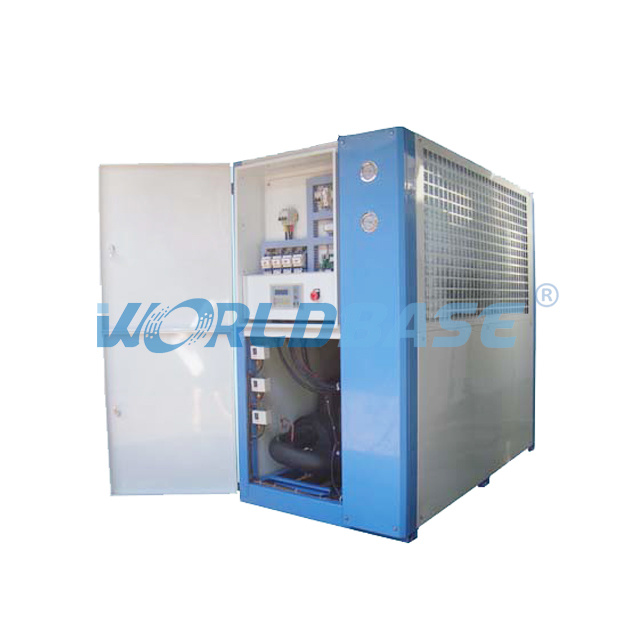
Customized chiller solutions are essential for meeting the diverse and specific requirements of commercial and industrial settings. Unlike standard systems, these tailored approaches address unique operational demands, such as varying load conditions, space constraints, and energy efficiency goals. For commercial applications like office buildings, hotels, or shopping centers, they ensure consistent climate control to enhance comfort and productivity. In industrial environments, such as manufacturing plants or data centers, they maintain precise temperature regulation to protect equipment and processes.
The design process for these solutions involves a thorough analysis of each client's needs, including factors like cooling capacity, environmental conditions, and budget considerations. This level of personalization often leads to integrated systems that combine advanced technologies, such as variable speed drives or eco-friendly refrigerants, to optimize performance. By focusing on long-term reliability and reduced operational costs, these chillers provide sustainable benefits that align with both environmental standards and business objectives.
Beyond functionality, customized chiller solutions foster innovation by adapting to emerging trends, such as smart building integration or renewable energy compatibility. They empower businesses to scale efficiently, whether expanding facilities or upgrading to meet regulatory changes. Ultimately, this tailored approach transforms cooling from a basic utility into a strategic asset, driving efficiency and resilience across commercial and industrial landscapes.
Smart Monitoring Systems for Optimal Chiller Performance and Efficiency
In today's commercial and industrial settings, chillers are crucial for reliable HVAC operations, yet their energy consumption can skyrocket without proper oversight. Smart monitoring systems change the game by offering real-time data insights that go beyond basic temperature readings. By integrating advanced sensors and IoT connectivity, these systems continuously track parameters like refrigerant pressure, compressor efficiency, and cooling load adjustments, enabling facility managers to spot inefficiencies before they lead to costly breakdowns.
What sets modern smart monitoring apart is its predictive analytics capabilities, which analyze historical performance trends to forecast potential issues, such as component wear or suboptimal setpoints. Instead of reacting to alarms, teams can proactively schedule maintenance, fine-tune operations based on actual usage patterns, and even adjust settings remotely via cloud-based platforms. This not only slashes energy bills by optimizing cycle times and reducing waste but also extends the chiller's lifespan, making it a sustainable investment for long-term asset management.
Ultimately, leveraging these intelligent systems transforms chiller management from a routine task into a strategic advantage, fostering environments where operational excellence and resource conservation go hand-in-hand. By embracing such tools, organizations can achieve peak performance without compromising on reliability, ensuring that their cooling infrastructure remains robust and efficient in an ever-evolving landscape of energy demands.
Innovative Heat Recovery Features in Modern Water Chiller Designs
Modern water chillers have evolved far beyond just cooling systems; they now incorporate advanced heat recovery features that transform wasted heat into valuable energy. In many industrial and commercial settings, chillers generate significant heat during operation, which traditionally gets expelled into the environment. Cutting-edge designs now capture this excess heat and repurpose it for heating applications, such as warming water for facilities or space heating. By integrating heat exchangers and smart controls, these systems ensure minimal energy loss, making operations more sustainable and cost-effective. This shift not only reduces the carbon footprint but also slashes utility bills, offering a dual benefit that appeals to both environmental and economic sensibilities.
What sets contemporary heat recovery systems apart is their adaptability and precision. Unlike older models with fixed configurations, modern chillers employ variable-speed compressors and modulating valves that adjust heat recovery in real-time based on demand. For instance, in a large office building, the system might divert recovered heat to preheat domestic hot water during the day, then switch to supporting HVAC needs at night. Enhanced sensors and AI-driven algorithms optimize this process, ensuring maximum efficiency without compromising cooling performance. Such dynamic adjustments mean facilities can achieve near-constant energy recycling, pushing the boundaries of what was once considered possible in thermal management.
Beyond basic functionality, innovation in this area extends to materials and integration. Some designs use specialized coatings on heat exchanger surfaces to improve thermal conductivity and resist corrosion, extending lifespan in harsh conditions. Others seamlessly merge with renewable energy sources, like solar panels, to create hybrid systems that further boost sustainability. These advancements make modern water chillers not just equipment but integral components of a building's energy ecosystem, fostering resilience and future-proofing against rising energy costs. As industries prioritize green initiatives, these features position chillers as key players in achieving long-term operational goals.
Enhancing Sustainability with Eco-Friendly Refrigerants in Chillers
As environmental regulations tighten worldwide, the chiller industry is pivoting towards eco-friendly refrigerants that drastically reduce global warming potential and ozone depletion rates. Unlike older refrigerants like R-22, which have been phased out due to their harmful effects, modern alternatives such as R-32, R-454B, and natural refrigerants like ammonia and carbon dioxide offer a more sustainable path forward. These refrigerants not only comply with stringent standards like the Kigali Amendment but also enhance energy efficiency in chillers, leading to lower operational costs and a smaller carbon footprint over the equipment's lifespan.
For instance, R-32 has gained popularity as a drop-in replacement in many applications because it has about one-third the global warming potential of R-410A, a widely used refrigerant. This shift encourages manufacturers to redesign chiller systems for better compatibility, resulting in improved thermal performance and reduced leakage risks. By adopting these refrigerants, companies can future-proof their HVAC setups against impending regulations while contributing to broader sustainability goals, such as reducing greenhouse gas emissions and protecting atmospheric layers.
Beyond compliance and efficiency, using eco-friendly refrigerants fosters innovation in chiller technology, spurring advancements like variable-speed compressors and enhanced heat exchangers that optimize cooling under varying loads. This not only cuts energy consumption but also extends equipment durability, minimizing maintenance needs and waste. As more industries prioritize green building certifications, integrating these refrigerants becomes a strategic advantage, showcasing a commitment to environmental stewardship and operational excellence in a competitive market.
Cost-Effective Maintenance Strategies for Long-Term Chiller Reliability
Maintaining chiller reliability over the long haul doesn't have to drain your budget—it's all about smart, proactive approaches that prevent costly breakdowns. Many facilities fall into the trap of reactive maintenance, only fixing issues when they become urgent, which often leads to higher repair costs and unexpected downtime. Instead, implementing a predictive maintenance plan, such as regular vibration analysis or infrared thermography, allows you to spot potential problems early. This way, you can address minor wear-and-tear before it escalates, saving money on emergency repairs and extending the chiller's lifespan without overspending on unnecessary parts replacements.
Another key strategy involves optimizing existing components rather than rushing to replace them. For instance, keeping condenser tubes clean through routine brushing or chemical treatments can significantly boost efficiency, reducing energy consumption by up to 10%. It's also worth training your maintenance team to perform basic diagnostics, empowering them to catch issues like refrigerant leaks or electrical faults before they impact performance. By focusing on these low-cost tweaks and regular checks, you build a resilient system that runs smoothly for years, avoiding the hefty price tags of major overhauls or premature replacements.
Don't overlook the value of data-driven decisions—modern chillers often come with built-in sensors that monitor parameters like temperature and pressure. Leveraging this information through a simple log or software tool helps identify trends, such as gradual efficiency drops, allowing for timely adjustments. Combined with a scheduled maintenance calendar tailored to your specific chiller model and environment, these strategies create a balanced approach. Ultimately, investing in cost-effective practices upfront not only safeguards reliability but also enhances overall operational efficiency, proving that careful planning beats reactive spending every time.
FAQ
Several key factors play a role, including the use of variable speed drives to adjust cooling loads precisely, high-efficiency compressors like scroll or screw types, and proper insulation and maintenance to minimize heat loss. In our experience, integrating smart controls that optimize runtime based on real-time data can boost efficiency by up to 20% compared to fixed-speed models.
It's not just about peak load calculations; we recommend conducting a detailed audit of historical usage patterns and future growth projections. A properly sized chiller with modular options often outperforms a larger, underutilized unit, reducing energy waste by avoiding frequent on/off cycles and lowering operational costs over time.
Recent innovations include magnetic bearing compressors that eliminate friction for smoother operation, IoT-enabled systems for remote monitoring and predictive maintenance, and the use of low-GWP refrigerants that meet environmental standards while improving thermal performance. These technologies help facilities cut energy consumption significantly.
Absolutely. Simple upgrades like adding variable frequency drives (VFDs) to motors, upgrading to more efficient heat exchangers, or installing advanced control systems can breathe new life into older chillers. These retrofits typically pay for themselves within a few years through reduced utility bills.
Routine maintenance is critical; neglecting it can lead to a 5-10% drop in efficiency annually due to issues like fouled tubes or refrigerant leaks. We advise scheduling quarterly checks for cleaning, calibration, and component inspections to maintain peak performance and extend the chiller's lifespan.
Compliance is a driving force, with many regions tightening rules on refrigerant use and emissions. Opting for chillers with eco-friendly refrigerants and high Energy Efficiency Ratios (EER) not only meets these standards but also positions businesses for potential incentives and reduces their carbon footprint.
Yes, many modern chillers are designed for compatibility with renewable systems. By using inverters and smart grid interfaces, they can sync with solar panels to operate during peak sunlight hours, slashing reliance on grid power and enhancing overall sustainability in commercial setups.
Conclusion
Modern water chiller systems represent a significant advancement in energy efficiency for commercial and industrial applications. Cutting-edge technologies, such as variable speed drives, magnetic bearing compressors, and advanced heat exchangers, dramatically reduce energy consumption compared to traditional models. These innovations are complemented by customized solutions that tailor chiller specifications to specific operational needs, ensuring optimal performance in diverse environments from large factories to office complexes. By integrating these features, businesses can achieve substantial energy savings while maintaining reliable cooling capacity.
Furthermore, smart monitoring systems enable real-time tracking of chiller performance, allowing for proactive adjustments that enhance efficiency and prevent downtime. Innovative heat recovery features in modern designs capture waste heat for reuse in heating processes, boosting overall energy utilization. The adoption of eco-friendly refrigerants not only supports sustainability goals but also complies with evolving environmental regulations. Coupled with cost-effective maintenance strategies—like predictive diagnostics and scheduled servicing—these elements ensure long-term reliability and reduced operational costs, making energy-efficient water chillers a smart investment for forward-thinking enterprises.
Contact Us
Contact Person: Mr Yang
Email: [email protected]
Tel/WhatsApp: +8613809083091
Website: https://en.worldbase.cn