

Fixed Roller Gate Company Shares Expert Insights on Choosing Durable Security Gates
2026-11-16
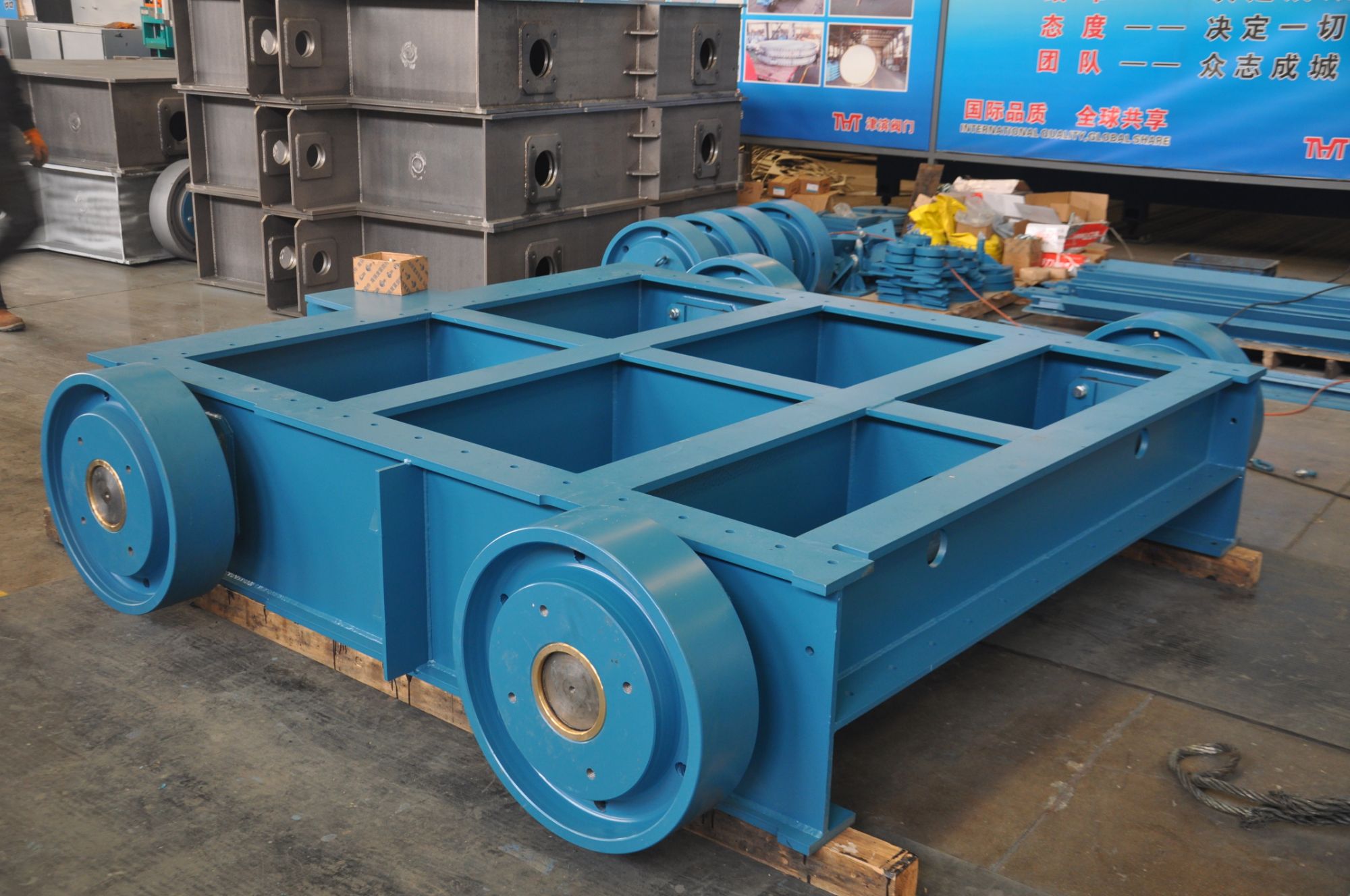
When a security gate fails, the cost is rarely just financial—it’s downtime, exposure, and a breach of trust. Yet many buyers still choose on price alone, only to replace gates years too soon. In this article, a fixed roller gate specialist breaks down what actually makes a gate durable: from frame gauge and hinge design to coating chemistry and load testing. If you’re tired of gates that rust, sag, or jam after a single season, THT brings you the expert checklist that separates a ten-year gate from a two-year one. Keep reading to avoid the common mistakes that shorten gate life and inflate long-term costs.
Steel or Aluminum? The Material Choice That Shapes Gate Longevity
Wrought iron and steel gates carry their weight with a kind of stubborn dignity, but that heft cuts both ways. Steel resists bending and forced entry far better than aluminum, and when properly primed and powder-coated, it can shrug off decades of weather. The catch is that any scratch or chip that reaches bare metal becomes a slow-burning rust problem, especially near welds, hinges, and ground contact points.
Aluminum tells a different story. It won't rust, which makes it forgiving in coastal or high-moisture environments where steel needs constant vigilance. The trade-off shows up in stiffness: aluminum dents and flexes more easily, and thinner extrusions can fatigue at joints after years of cycling open and shut. If the gate is wide, heavy, or automated, that flex eventually loosens hardware and shortens the usable life.
Neither material wins across the board. A steel gate tends to reward owners who stay on top of paint touch-ups and hinge lubrication, while aluminum suits those who want minimal upkeep and accept a shorter structural lifespan under rough use. Matching the material to the gate's size, climate, and daily traffic matters more than chasing a single "best" option.
Beyond the Lock: Security Ratings You Should Actually Care About
Most people glance at a padlock icon and assume everything is fine. But that little symbol only tells you the connection is encrypted—it says nothing about who's on the other end, how they handle your data, or whether their servers are leaking credentials every other week. Security ratings dig past that surface layer, measuring real-world risk factors like patching speed, exposed databases, and historical breach patterns. If you're still equating HTTPS with "safe," you're missing the metrics that actually predict a breach.
Think of a security rating as a credit score for an organization's digital hygiene. It aggregates signals from internet-wide scans, dark web mentions, and even misconfigured cloud storage. A company with an A rating might still get hacked, but their odds are far lower than a C-rated shop that ignores certificate expirations and leaves admin panels open to the public. The value isn't in the letter itself—it's in the granular breakdown: how quickly they patch known vulnerabilities, whether they use DMARC to stop email spoofing, and if their third-party vendors introduce hidden backdoors.
The next time you're evaluating a SaaS tool, a payment processor, or even a potential business partner, skip the lock icon theater. Ask for their security rating from an independent platform, or run a free lookup yourself. Compare the trend over the last six months—improving or sliding? That trajectory matters more than a one-time snapshot. A shiny padlock won't stop an attacker who walks through an unsecured API endpoint, but a decent rating will tell you if someone actually bothered to close that door.
Installation Missteps That Quietly Shorten a Gate’s Life
Most people assume a gate fails because of cheap hinges or a weak latch, but the real culprit often hides in the installation. Even the sturdiest iron or wood gate will sag, bind, or rot years earlier than expected if it was hung without proper clearance. A common mistake is setting the gate too close to the ground—just a half inch of extra clearance can mean the difference between smooth swinging and a bottom rail that scrapes through mud, snow, or wet grass every season. That constant moisture contact quietly eats away at wood fibers and accelerates rust on metal frames, especially in climates with freeze-thaw cycles.
Another silent killer is treating the gate posts like decorative afterthoughts. Posts that aren't set deep enough below the frost line will start to heave within the first year, pulling the entire gate out of square. You won't notice it right away—maybe the latch gets a little sticky, or the gate drags on one corner—but by the time you see the telltale lean, the post base has already been working loose underground. The fix usually isn't just tightening a bolt; it's digging out the old footing and starting over, which most people postpone until the gate is nearly useless.
And then there's the hardware mismatch nobody talks about: using interior-grade screws for an exterior gate, or attaching hinges to the face of a post instead of letting them bear weight properly. A gate that's hung with the wrong fasteners will develop a wobble that you can't tune out with adjustment. Every swing of the gate works those screws a tiny bit looser, and before long the hinge holes are wallowed out and the gate drops a quarter inch, putting stress on the latch. By the time someone finally calls a repair, the damage isn't just to the hardware—it's to the gate's frame and the post itself.
The Five-Minute Maintenance Routine That Prevents Costly Repairs
Most breakdowns don't start with a bang. They begin as a slow drip, a loose bolt, or a filter so clogged the motor has to work twice as hard. Spend five minutes once a week walking around your equipment with a flashlight and a rag. Check every hose and fitting for damp spots or hairline cracks. Wipe down the area around seals so you can spot fresh leaks the next time. Listen for any tick, hiss, or rattle that wasn't there before—it's usually the first warning sign.
If the equipment has an air filter, pop it out and give it a few taps against a hard surface. If light can't pass through after that, replace it. A dirty filter forces the motor to pull harder, which shortens its life faster than almost anything else. Don't forget to glance at fluid levels, drain any water from the separator if there is one, and give visible bolts a quick wiggle to see if they've loosened. This isn't deep maintenance. It's just catching the small stuff before it turns into a four-figure invoice.
Why Cheaper Gates Often Cost More Over Time
A gate that costs less upfront usually earns that price through thinner metal, lighter wood, or hardware that feels solid in the store but gives out after a few seasons. The real expense starts when the hinges begin to groan, the latch stops catching, and the frame pulls away from the post. You might find yourself tightening bolts every month, then replacing a wheel or a hinge bracket, and eventually re-hanging the whole panel.
Weather speeds up the process. Cheap powder coating flakes off and exposes steel to rain, while untreated pine soaks up moisture and warps. Pressure-treated lumber helps, but if the joints were nailed instead of screwed or the hardware was zinc-plated rather than stainless, you'll see rust streaks and split wood within a year or two. Each small fix eats an afternoon, and the sum of those fixes can pass the price of a better gate by the third or fourth year.
Then there's the installation. A budget gate often gets set with shallow concrete footings and a single hinge per side, which means it sags under its own weight. Rehanging it properly means digging out posts, pouring new concrete, and buying hardware that should have been there in the first place. Spend more now on thicker posts, stainless hinges, and a frame that can handle wind and daily use, and the gate becomes the one you don't think about for a decade.
Custom Gates: When Standard Options Fall Short
Most off-the-shelf gates are built for a world of square openings, level ground, and predictable hinge points. But real sites rarely cooperate. A driveway that falls 18 degrees toward a drainage swale, a stone pillar that isn't plumb, or a fence line pinched between two old oaks—these conditions turn a standard 10-foot gate into a compromise you'll feel every time it drags or binds. Custom gates handle the site as it is, not as a catalog drawing assumes it should be.
Weight is another place where standard options quietly fall short. A wide cedar pedestrian gate or a steel driveway gate with privacy louvers can easily exceed the hinge and frame ratings of a 'one size fits most' product. Once wind load and a closer are added, the math gets worse. Custom fabrication lets you match post depth, hinge knuckle size, and cross-bracing to the actual load—so the gate doesn't sag after two seasons.
Then there are requirements that no standard size chart can anticipate. A family wants the gate to stop four inches above the ground so the dog can watch the street. A chef needs a pass-through tall enough for sheet pans. A homeowners' association insists on a particular iron scroll pattern but no manufacturer offers it in that width. These aren't rare edge cases; they're the details that come up when you stop asking 'which standard size is closest?' and start asking 'what does this entrance actually need to do?'
FAQ
Focus on the gauge of the steel and the quality of the track system. Thicker steel resists dents and warping, while a well-engineered track reduces strain on the motor and rollers. Also check whether the gate has built-in anti-corrosion treatment, especially for coastal or industrial sites.
Yes, but they don't have to be complicated. Wipe down the tracks monthly to remove grit, keep hinges and rollers lightly lubricated with the right product, and inspect the limit switches every quarter. Catching a misaligned sensor early prevents expensive motor replacements later.
Undersized motors burn out quickly because they work harder than rated. Choose a motor rated for at least 25% more cycles per day than you expect. Also look for thermal overload protection and a manual release mechanism so you can still operate the gate during a power failure without damaging the drive.
A gate that is even slightly out of level will drag on its track and put uneven pressure on bearings. This leads to noisy operation, premature roller failure, and stress cracks. Always insist on a concrete pad with proper drainage and have the installer check the alignment with a laser level before handing over the keys.
Absolutely. The security comes from the locking mechanism and the structural frame, not from aggressive styling. You can specify perforated metal panels, wood composite inserts, or powder-coated slats that match the building facade while keeping the same reinforced core. Ask about concealed tamper-proof hinges and internal locking bars.
They often compare only the gate panel price and ignore the track, motor, safety edges, and control panel. A cheap quote may exclude a backup battery or use a lighter-duty track that bends within two years. Ask for a line-item breakdown and verify the cycle rating of every moving part, not just the warranty length.
In areas with high wind, you need a gate with a wind-rated frame and possibly a perforated design to reduce wind load. In cold climates, look for heated tracks or self-draining bottom channels to prevent ice buildup. In humid or coastal regions, stainless steel hardware and a marine-grade powder coat are worth the extra cost.
Photo eye sensors and a reversing edge are non-negotiable. They prevent the gate from closing on vehicles or people, which also protects the gate itself from impact damage. Additionally, a monitored safety circuit ensures that if a sensor fails, the gate defaults to a safe open or stopped position instead of operating blind.
Conclusion
Choosing a durable security gate often comes down to materials and how well the gate aligns with your actual security needs. Fixed Roller Gate Company points out that steel, while heavier, tends to hold up better in high-traffic or industrial settings, whereas aluminum can be a smart pick for lighter residential use if corrosion is a concern. But the metal is only part of the story. Look past the basic lock and check for ratings that reflect forced-entry resistance and cycle durability, because those numbers tell you how the gate will perform after years of daily use. Just as important is the install itself. A gate that is slightly out of alignment or set on weak posts can develop sagging, rail wear, and roller damage far sooner than expected, quietly cutting its service life.
A practical maintenance habit goes a long way, too. Spending five minutes a month clearing debris from the track, checking roller movement, and tightening exposed bolts can stop small issues from turning into expensive repairs. Fixed Roller Gate Company also warns that the lowest upfront price rarely equals long-term value. Cheap gates often come with thinner steel, flimsier rollers, or weaker coatings, so replacement parts and full fixes add up fast. And when a standard size just doesn't fit your entrance, a custom gate may be the only way to avoid awkward gaps or overworked hardware. In the end, durability is less about a single feature and more about matching material, security ratings, install quality, and maintenance to how the gate will actually be used.
Contact Us
Contact Person: Su Zhang
Email: [email protected]
Tel/WhatsApp: +86-25219206
Website: https://www.tht-valve.com/