

Flour Milling Machine Company: How to Find the Right Partner for Your Grain Processing Needs
2026-05-20
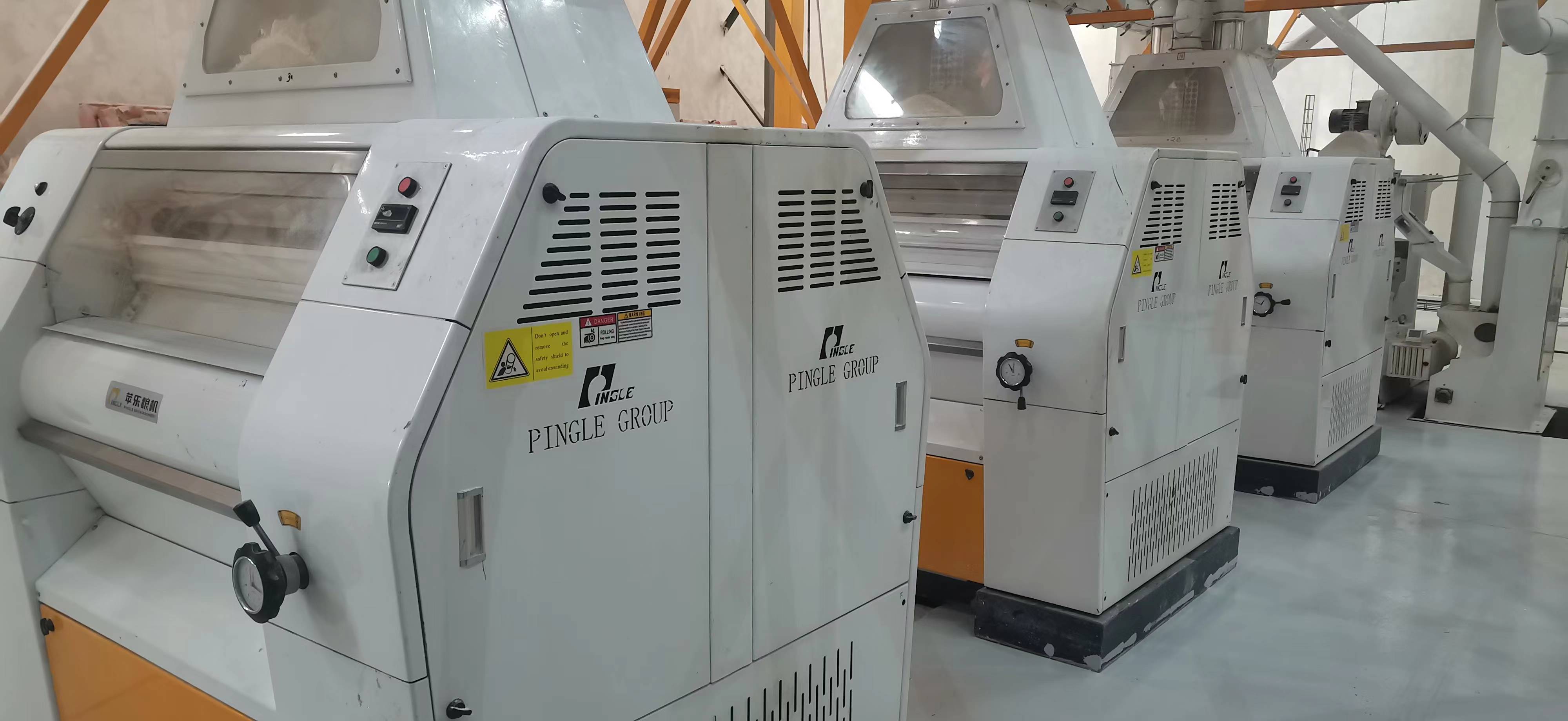
Choosing the right partner for your grain processing needs can feel like searching for a needle in a haystack. With so many variables—efficiency, reliability, and scalability—the stakes are high, and a wrong turn can cost more than just money. That’s where a trusted name like PINGLE comes into play, offering not just machinery but a partnership built on decades of flour milling expertise. In this post, we’ll walk you through what truly matters when evaluating a flour milling machine company, uncovering the overlooked details that separate a mediocre supplier from a transformative ally.
Clarify Your Grain Processing Goals Before Contacting Suppliers
You might have a rough idea that you want to mill wheat or hull oats, but suppliers need specifics to give you a relevant quote. Think about your desired hourly throughput—are you running a small farmstead operation or scaling up for commercial distribution? Pin down the types of grain you’ll process most often and the range of finished products you aim to create, like fine flour, cracked grain, or pearled barley. These details shape everything from machine configuration to energy consumption, so glossing over them now only leads to mismatched proposals later.
Beyond basic capacity, consider how much flexibility you truly need. A single-purpose machine may be cheaper upfront, but if you plan to experiment with ancient grains or switch between grits and whole grain flour, a more adaptable system could save you from costly retrofits. Write down not just what you want to make today, but what you might want to try in two years. Also, factor in your available space, power supply, and whether you need built-in cleaning or sorting features—these physical constraints often dictate which equipment can actually work in your setting.
Finally, clarify your quality benchmarks and end-market requirements. Are you selling to bakeries that demand consistent protein levels, or are you packaging for retail with strict contamination standards? Knowing your non-negotiables helps filter out suppliers who can’t meet them, shortening your search. Jot down any certification needs—like organic or gluten-free—and even the kind of packaging you’ll use. The more concrete your goals, the easier it is to spot a supplier who truly understands your sector, not just one pushing generic solutions.
Dig Into a Manufacturer’s History, Not Just Their Marketing
A glossy brochure can spin any story, but a company’s actual track record lives in shipping manifests, patent filings, and court documents. Before trusting a supplier, spend a few hours following paper trails from decades past. Original equipment catalogs and industry trade journals often reveal whether a manufacturer built its reputation on genuine innovation or simply rebadged generic components. Look for patterns—frequent ownership changes, sudden shifts in product lines, or repeat safety citations—that marketing materials will never volunteer.
The people who worked on the factory floor often leave behind a more honest picture than any press release. Track down former engineers through professional networks or retired employees through community boards. Their unfiltered accounts of quality-control battles, material compromises, and management priorities can illuminate whether today’s “heritage quality” claims have any foundation. One candid conversation with a thirty-year veteran might tell you more than a thousand carefully staged “about us” videos.
Physical remnants of past production tell a story no marketing department can erase. Visit a manufacturer’s older facilities if possible, or examine samples of their vintage products still in circulation. The joinery on a 1960s machine, the surviving paint on outdoor equipment, the wear patterns on cast-iron tooling—these details speak to actual engineering priorities. Companies that once obsessed over longevity leave unmistakable physical evidence that no modern rebranding can replicate overnight.
Look for Machines Built to Handle Your Specific Grains
Not every grain behaves the same under pressure. Oats can shatter if the rollers are set too tight, while harder kernels like spelt might pass through half-processed if the gap isn’t dialed in just right. A machine built with adjustability in mind—not just a single factory setting—lets you fine-tune the crush, twist, or shear to match the exact moisture and hardness profile of what you’re running that day.
The shape and surface of the rollers matter more than most spec sheets let on. For barley, a shallow flute pattern might strip the hull without cracking the endosperm; for rye, a sharper corrugation can bite in and deliver the clean break needed for optimal enzyme access later. Some mills even let you swap out roll sets entirely, so you can keep one pair dedicated to buckwheat and another to emmer, avoiding cross-contamination and tedious deep cleans between batches.
Ask the Hard Questions About Parts and Technical Support
When you're investing in equipment, the parts inside matter as much as the whole machine. It's easy to get a glossy spec sheet, but what you really need to know is how those components hold up over time. Ask whether the supplier stocks genuine replacements or if you'll be waiting weeks for a third-party knockoff. Find out if the parts are field-serviceable or if a simple fix requires shipping the whole unit back. These aren't just details—they're the difference between a minor hiccup and days of lost productivity.
Technical support can make or break your experience, yet too many buyers settle for vague promises of 24/7 availability. Push for specifics: who answers the phone at 2 a.m., and do they have direct access to engineering teams? Some companies outsource support to call centers with scripted replies, while others keep senior techs on standby. Ask about average resolution times, not just response times. A quick callback doesn't help if the person on the line can't diagnose the issue.
Don't overlook the cost of downtime when you're weighing support plans. A cheap warranty might look good until you're facing a critical failure and find out that replacements aren't stocked locally. Insist on clarity about turnaround commitments and whether expedited shipping is included or costs extra. The real question isn't if something will go wrong, but how fast you'll be back up and running. That's the measure of a support system built for the real world.
Balance Upfront Investment with Long-Term Efficiency Gains
Many projects stall at the budget stage because the initial price tag feels daunting. It’s easy to fixate on the immediate outflow without weighing the ongoing operational savings. A cooling system that costs 20% more upfront might slash energy bills by half over its lifespan. The real question isn’t just “Can we afford this now?” but “What will it cost us to keep using the old way?” Shifting that mental framework turns a capital expense into a strategic lever for future-proofing the business.
Consider precision manufacturing tools: the upfront cost can strain a quarterly budget, yet the reduction in material waste and rework often recoups the investment within two years. The same logic extends to software—opting for a robust, integrated platform may feel indulgent until you tally the hours lost to manual data stitching and error correction. Smart leaders map the full cost arc, from acquisition through maintenance to eventual obsolescence. By treating long-term efficiency as a tangible asset, they convert steep entry fees into foundations for steady, profitable growth.
Partner with a Team That Understands Your Market
When your team just gets the intricacies of your sector, every initiative lands differently. There’s no wasted time explaining basic context or reworking mismatched assumptions. Instead, conversations quickly move toward what actually drives decisions in your niche—regional competitive dynamics, buyer habits shaped by local culture, or even the unspoken influences no generic report covers. That shared grounding transforms planning from a back-and-forth of corrections into a natural flow of sharp, relevant ideas.
Having eyes on the ground matters more than most realize. A partner steeped in your market notices subtle shifts early—a new entrant quietly gaining traction, a shift in how customers voice their frustrations, or a dormant demand surfacing because of external events. Instead of reacting when trends become obvious, you adapt while there’s still room to maneuver. This isn’t about reacting to every data point; it’s about knowing which weak signals from your reality will actually turn into meaningful change.
Beyond foresight, execution simply runs smoother. Messaging that references familiar nuances rings true to your audience because it borrows the language and tensions they already live with. Campaigns bypass the typical “what do they actually mean?” pause and connect on genuine common ground. That kind of resonance doesn’t come from keyword optimization or trend reports—it comes from living inside the same market pressures and opportunities your customers face every day.
FAQ
Start by mapping out your daily capacity needs, the types of grains you'll process, and the space you have available. Having these details ready helps you skip the vague sales pitches.
The right partner will dig into your goals—whether it's fine flour for pastries or coarse meal for animal feed—and tailor their recommendations, rather than pushing one-size-fits-all equipment.
Local vendors often mean faster support and easier parts access, but a well-established international firm might offer technology that isn't available nearby. Weigh downtime risks against innovation.
Look for transparent service agreements that cover regular checkups, remote diagnostics, and on-site repairs. Avoid deals where maintenance becomes their afterthought and your headache.
Request a live demonstration with your own grain samples. Observing yield, power consumption, and end-product consistency tells you more than a glossy brochure ever will.
Beyond machinery, think about power supply stability, staff training, and grain storage logistics. A knowledgeable partner will help you spot these pitfalls early on.
Visit existing installations if possible, talk to their long-term clients, and ask about their approach to obsolete models. A firm that still supports decade-old machines is one that values your partnership.
Conclusion
Before reaching out to any supplier, take a hard look at what you actually need. Different grains—wheat, maize, rice, or specialty crops—demand specific milling approaches, and your output targets will determine whether you require compact equipment or a full-scale line. Once you have clarity on these goals, you can separate genuine manufacturers from those who merely rebadge generic machinery. Look beyond glossy brochures and trade show smiles; dig into how long a company has been engineering mills, where their machines are running, and how they have evolved with changing grain varieties. The best partners will openly share case studies and even connect you with existing customers who work with grains similar to yours. This kind of transparency matters more than any sales pitch.
Price tags are only one piece of the puzzle. Ask tough questions about parts availability, typical lead times for wear components like rolls and sifters, and whether technical support is a local phone call away or a frustrating game of email tag across time zones. A machine that sips electricity and requires less frequent maintenance can rapidly offset a higher upfront cost, so calculate total lifetime expense rather than just the purchase figure. Finally, choose a partner that grasps your market realities—whether you are supplying a local bakery with stone-ground whole wheat or producing fine white flour for large-scale distributors. A team that understands regional taste preferences, packaging norms, and regulatory standards can guide you toward equipment that keeps your operation flexible and profitable long after the installation crew leaves.
Contact Us
Contact Person: Jiakuo Wu
Email: [email protected]
Tel/WhatsApp: +86-13011566087
Website: https://www.pinglemachine.com