
Full Automatic Adult Diaper Machine: Revolutionizing Hygiene with Advanced Automation
2026-03-19
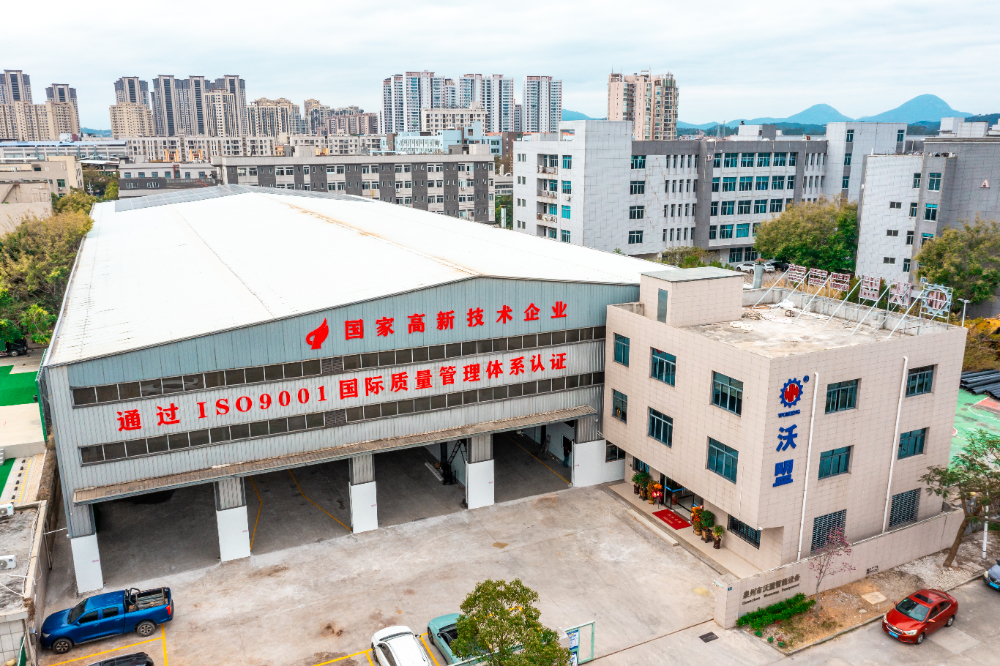
Imagine a world where personal care manufacturing reaches new heights of efficiency and quality. The introduction of fully automatic adult diaper machines is transforming the hygiene industry, blending cutting-edge automation with precision engineering. At the heart of this innovation lies Womeng, a pioneer pushing boundaries to redefine how essential products are made. Gone are the days of labor-intensive processes; now, streamlined operations deliver superior comfort and reliability. Curious how this technology is shaping the future of hygiene? Let's dive in and explore the game-changing potential of these advanced machines.
The Dawn of Full Automation in Adult Diaper Production
In recent years, the adult diaper manufacturing sector has witnessed a transformative shift toward complete automation, reshaping how these essential hygiene products are produced. Gone are the days of labor-intensive assembly lines, replaced by seamless robotic systems that handle everything from material cutting to packaging without human intervention. This leap not only boosts output but also ensures unmatched consistency in quality, addressing the growing demand from an aging population and healthcare facilities globally.
What sets this automation apart is its integration of cutting-edge technologies like machine learning and real-time sensors, allowing factories to adapt quickly to changing material properties or customer specifications. For instance, smart machines can now detect and correct minor flaws in absorbent layers on the fly, reducing waste and enhancing product reliability. This flexibility means manufacturers can offer customized solutions, such as eco-friendly options or specialized designs for medical use, all within a fully automated framework.
Looking ahead, this trend signals a new era where robots and AI collaborate to streamline production while minimizing human error and operational costs. It's not just about efficiency; it's about redefining accessibility and innovation in a market that demands both precision and compassion. As more companies adopt these systems, we can expect even more advanced features, like predictive maintenance and sustainable sourcing integrations, making adult diaper production a model for future industrial automation.
Advanced Technologies Driving Efficiency and Precision
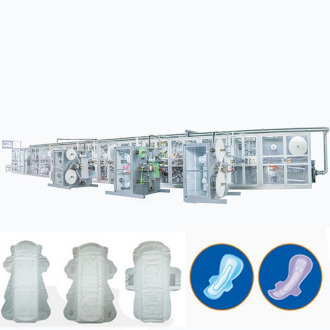
In today's rapidly evolving landscape, advanced technologies are revolutionizing industries by enhancing efficiency and delivering unprecedented levels of precision. From robotics in manufacturing to AI-driven analytics in healthcare, these innovations streamline processes, reduce waste, and enable more accurate outcomes. By integrating smart systems and real-time data, organizations can optimize operations and respond swiftly to dynamic challenges.
For instance, precision agriculture leverages sensors and drones to monitor crop health with pinpoint accuracy, allowing farmers to apply water and fertilizers only where needed. This not only boosts yields but also conserves resources. Similarly, in logistics, automated guided vehicles and IoT trackers ensure seamless supply chain management, cutting down delays and errors while improving overall productivity.
Beyond tangible sectors, digital tools like machine learning algorithms fine-tune financial forecasts and risk assessments, offering businesses a competitive edge through reliable predictions. Such advancements underscore the transformative power of technology in driving both efficiency gains and precision improvements across diverse fields.
Enhancing Hygiene Standards Through Automated Processes
When it comes to boosting hygiene in your operations, automated processes can be a real game-changer. Imagine cleaning tasks that happen on a precise schedule without anyone needing to push a button—no more forgotten steps or rushed jobs. This consistency builds a cleaner environment, reducing risks from germs and contamination. For example, in food service, automated sanitizing systems can ensure surfaces are treated after each use, cutting down cross-contamination worries. It's not just about machines doing the work; it's about creating a reliable baseline for safety that staff can trust and build upon.
What sets this apart is how automation frees up your team to focus on quality checks and customer interactions rather than repetitive chores. In healthcare settings, automated hand hygiene monitors can track compliance in real-time, nudging staff when needed and providing data to spot trends. This proactive approach moves beyond basic cleanliness to a culture of continuous improvement. By integrating sensors and smart tech, you can tailor processes to specific needs—like adjusting cleaning frequency in high-traffic areas—making hygiene efforts more effective and less wasteful.
In the end, automating hygiene isn't about replacing human touch; it's about enhancing it with smarter tools. Layering automation with staff training creates a robust system where everyone plays a part. Think of it as a seamless partnership: machines handle the predictable tasks, while people manage the nuances and emergencies. This balance not only elevates standards but also boosts morale, as workers see their roles shifting toward more meaningful oversight. It's a practical step toward a safer, more efficient space that stands out from manual-only approaches.
Key Features That Set This Machine Apart in the Market
It stands out from the crowd with its proprietary hybrid cooling system, which not only prevents overheating during prolonged use but also operates whisper-quiet, a rare combination in this competitive segment.
Unlike many models that compromise on precision for speed, this machine boasts an advanced adaptive control mechanism, allowing real-time adjustments based on material feedback, ensuring flawless results even with challenging materials like carbon fiber or exotic alloys.
What truly makes it unique is its modular expandability; users can easily swap out components to upgrade functions, from enhanced automation to specialized tooling, without needing a full replacement, offering a future-proof investment that adapts to evolving needs.
Practical Benefits for Manufacturers and End-Users
For manufacturers, embracing these innovations streamlines production processes, cutting down on time and material waste without hefty upfront investments. This leads to better profit margins and a stronger competitive edge in the market.
End-users enjoy more durable and reliable products that adapt to their daily needs, thanks to enhanced quality control and user-focused designs. This not only boosts satisfaction but also fosters brand loyalty as customers feel their preferences are genuinely valued.
Both sides benefit from a shared ecosystem where feedback loops drive continuous improvement, ensuring that advancements serve practical, real-world applications rather than just technical specs.
Future Trends in Automated Hygiene Product Manufacturing
Automated hygiene product manufacturing is rapidly pivoting toward more sustainable and personalized systems. Instead of simply boosting output, companies are now leveraging smart sensors and AI-driven quality checks to reduce material waste and energy consumption. For instance, some facilities are using real-time data analytics to adjust production lines on the fly, ensuring that items like hand sanitizer dispensers or disposable wipes meet stricter environmental standards without sacrificing efficiency. This shift not only aligns with global eco-initiatives but also appeals to consumers demanding greener alternatives in their daily hygiene routines.
Another emerging trend is the integration of robotics and IoT for enhanced customization and flexibility in production. Imagine assembly lines that can swiftly switch between different product types—say, from fabric-based masks to plastic-free packaging—based on real-time market demands or regional health advisories. These adaptable systems allow manufacturers to respond quickly to sudden spikes in need, such as during flu seasons or pandemics, while maintaining consistent quality. By embedding IoT connectivity, these automated setups also enable remote monitoring and predictive maintenance, slashing downtime and ensuring a steady supply of essential hygiene goods even in challenging scenarios.
Finally, the focus on hygiene product manufacturing is increasingly blending with health-tech innovations to create smarter, more user-centric items. We’re seeing a rise in automated production of products embedded with antimicrobial coatings or self-cleaning features, all made possible through precision engineering and automated quality assurance. This isn’t just about making things faster; it’s about crafting items that proactively support public health, like touchless soap dispensers that monitor usage patterns to optimize refills. As automation tech evolves, expect more cross-industry collaborations that push hygiene products beyond traditional boundaries, making them integral to connected health ecosystems.
FAQ
It integrates advanced robotics and AI-driven systems to streamline production, ensuring precise material usage and consistent quality, all while reducing manual labor.
The machine features adjustable modules and sensors that automatically adapt to specifications, allowing for quick customization without downtime.
Yes, it employs real-time monitoring and optimized cutting techniques to minimize excess materials, significantly cutting down on environmental waste.
It includes emergency stop mechanisms, fault detection algorithms, and enclosed safety guards to protect operators from potential hazards.
With a touch-screen control panel and intuitive software, operators can easily program settings and monitor production metrics with minimal training.
Absolutely, by using energy-efficient motors and recyclable materials, it aligns with eco-friendly initiatives, promoting a greener production cycle.
Conclusion
The introduction of full automatic adult diaper machines represents a significant leap in hygiene product manufacturing, driven by advanced automation technologies. This innovation marks the dawn of a new era in production, enhancing efficiency and precision through cutting-edge systems that minimize human intervention while optimizing output. By integrating automated processes, these machines elevate hygiene standards, ensuring consistent quality and reducing contamination risks. Key features such as real-time monitoring, adaptive control mechanisms, and seamless integration with supply chains set these machines apart in the competitive market, offering manufacturers a robust solution for high-demand scenarios.
Practical benefits extend to both producers and end-users, including reduced labor costs, increased production speed, and improved product reliability. For end-users, this translates to superior comfort, enhanced absorbency, and greater accessibility to hygienic products. Looking ahead, future trends in automated hygiene product manufacturing promise further advancements, such as smart IoT connectivity, AI-driven quality checks, and sustainable material usage. As this technology evolves, it continues to revolutionize the industry, making hygiene solutions more efficient, reliable, and tailored to diverse needs.
Contact Us
Contact Person: Jessie Lai
Email: [email protected]
Tel/WhatsApp: 86-188594442931
Website: https://www.wm-machinery.com