

Industrial Air Compressor Manufacturer Insights for Reliable Operations
2026-08-20
Compressed air reliability rarely comes down to a single component. It's shaped by daily choices—from sizing and maintenance to how you read your data. As an industrial air compressor manufacturer, Seize Air sees the same avoidable mistakes repeated across plants. This post shares field-tested insights that keep operations running without surprises.
Rethinking Fixed Maintenance Schedules for Real-World Conditions
Most equipment manuals still advise changing oil, replacing filters, or greasing bearings on a strict calendar or hour-based cycle. Yet those intervals were usually derived from controlled tests, not from the dust, humidity, temperature swings, or operator habits that machines actually endure. A generator running in a coastal salt-spray zone faces far harsher conditions than an identical unit inside a climate-controlled warehouse, but both often receive the same maintenance ticket at the same hour count. That one-size-fits-all approach leads to premature parts replacement in some cases and neglected wear in others.
Real-world conditions introduce variables that fixed schedules simply cannot capture. Fuel quality, load profiles, idle time, ambient temperature, and even the frequency of cold starts alter how quickly components degrade. For instance, a hydraulic system subjected to frequent high-temperature spikes will oxidize its fluid faster than a system running at steady moderate loads, regardless of what the hour meter says. Likewise, air filters clog at wildly different rates depending on whether a machine operates near a grain elevator, a construction site, or a paved city street. Without monitoring actual condition indicators like oil analysis, pressure differentials, or vibration signatures, a fixed schedule becomes little more than a guess dressed up as a rule.
Shifting toward condition-based or predictive maintenance does not mean abandoning structure entirely. Instead, it means letting the machine's own data set the pace. Simple additions like temperature sensors, fluid sampling ports, and inspection checklists tailored to the operating environment can reveal true service needs. A belt that shows micro-cracking at 300 hours may need replacement long before the manual's 500-hour mark, while another belt in a cleaner environment might safely run past that interval. By rethinking fixed schedules and grounding decisions in observed reality, maintenance teams reduce unnecessary downtime and catch failures before they interrupt production.
What Remote Monitoring Reveals Before a Failure Happens
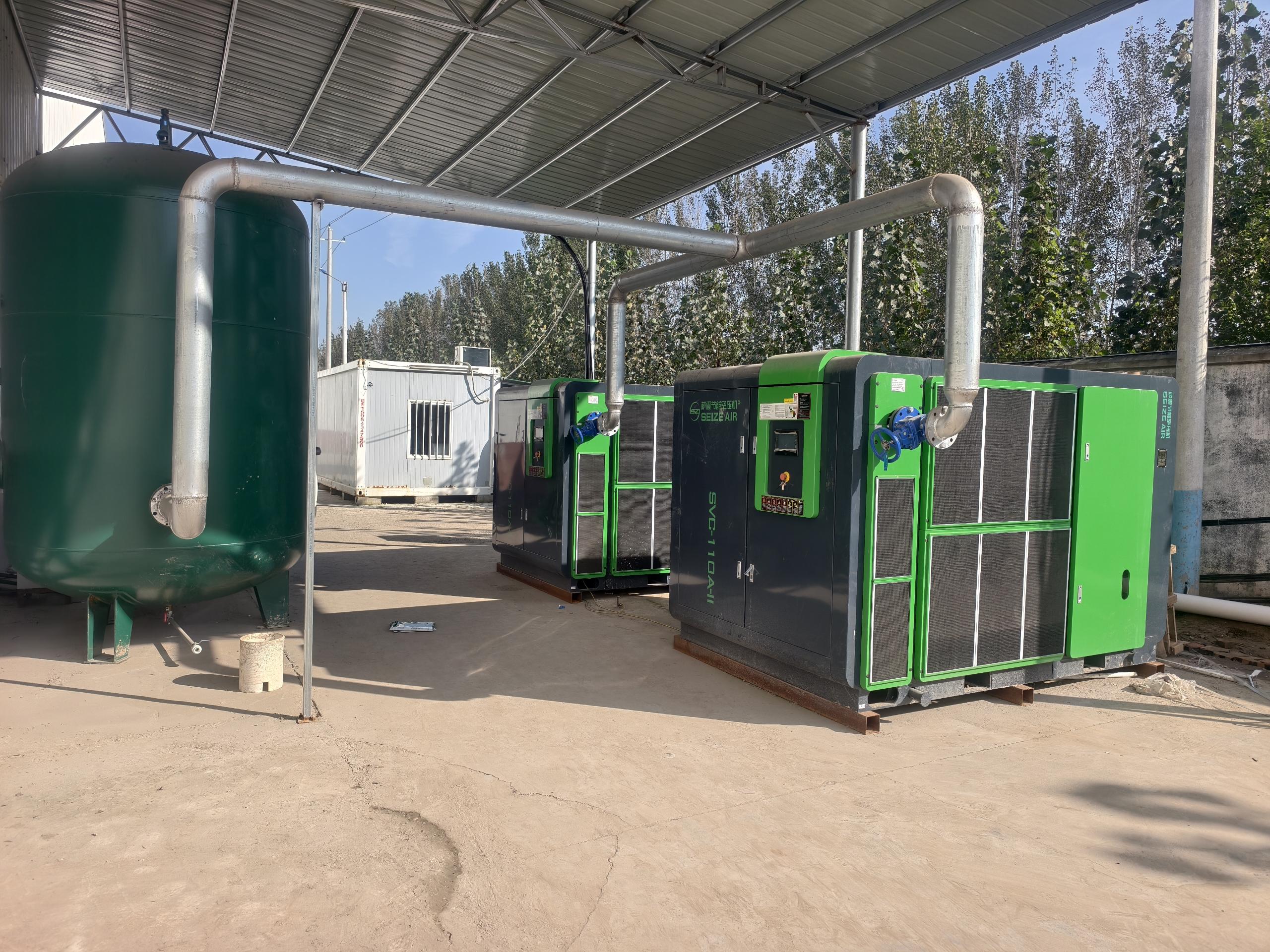
Remote monitoring exposes subtle shifts in machine behavior that are invisible during routine walk-throughs. A slight increase in vibration amplitude at a specific frequency, for instance, often shows bearing wear long before audible noise or heat becomes noticeable. By tracking these patterns continuously, maintenance teams can pinpoint which component is degrading and how quickly.
Temperature and pressure trends tell a similarly detailed story. A gradual rise in hydraulic oil temperature under identical load conditions may signal internal leakage or a clogged filter, while small pressure spikes can reveal failing seals or trapped air. These are not dramatic failures yet—just quiet deviations from the baseline that remote sensors capture and compare against historical norms.
Electrical signatures add another layer. Changes in motor current draw, phase imbalance, or harmonic distortion frequently precede insulation breakdown or winding faults. Instead of waiting for a thermal overload trip, remote monitoring translates these early electrical whispers into clear maintenance cues, allowing repairs to be scheduled during planned downtime rather than after an unexpected shutdown.
Component Choices That Make or Break Long-Term Reliability
Reliability rarely hinges on a single dramatic failure. It dissolves quietly through undersized capacitors running near their ripple limits, through connectors chosen for pin count instead of contact plating, through firmware that assumes a power rail will always rise cleanly. The parts that look boring on a bill of materials are the ones that decide whether a product survives year three in the field.
Take electrolytic capacitors. A 105°C rated part placed next to a hot MOSFET may only see 45°C ambient, but internal heating from ripple current can push the core toward 90°C. That halves the expected life compared to a 125°C part with lower ESR, even when both look identical on paper. The same logic applies to relays: a sealed unit with silver-tin oxide contacts outlasts an unsealed silver alloy by a factor of five in dusty or high-humidity environments, but only if the coil drive includes proper flyback suppression.
Then there are the choices nobody reviews until field returns spike. Solder mask clearance around high-voltage traces, the glass transition temperature of the PCB material, the tin whisker risk in pure tin finishes. These do not show up in promotional images or spec sheets. They show up as intermittent resets after two years, as cracked joints under thermal cycling, as a 0.5% failure rate that quietly becomes a warranty liability. Selecting for reliability means reading the datasheet footnotes and derating every component that lives near heat, vibration, or moisture, not just the ones called out in the reference design.
Why Total Cost of Ownership Starts with Energy, Not Purchase Price
A lower sticker price rarely tells the full story. In most industrial equipment, the energy consumed over a decade dwarfs the initial capital outlay, often by a factor of three to five. Focusing solely on purchase cost ignores the silent, recurring drain of electricity or fuel that quietly becomes the dominant line item in any operational budget.
Consider two air compressors: one cheap to buy but inefficient, another priced higher but engineered for lower power draw. The second machine might pay back its premium within eighteen months purely through reduced utility bills, then continue saving for another ten years. The real benchmark isn't the invoice at signing—it's the cumulative energy spend until decommissioning.
Smart buyers invert the typical evaluation sequence. Instead of starting with price and later estimating energy use, they model lifetime consumption first, then assess which machine meets that profile most affordably. This shift reframes efficiency not as an optional upgrade but as the foundation of any credible total cost calculation.
How Clean Air Intake Extends the Life of Every Moving Part
Dust and grit are the silent killers inside any machine. When unfiltered air enters the intake, those tiny abrasive particles grind against pistons, cylinder walls, and valve stems. Over time, even microscopic scratches widen into grooves that let oil slip past and compression leak away. A clean intake stops this at the source—every breath the engine takes is free of the hard particles that cause premature wear.
It's not just about the big chunks you can see. The finest dust, the stuff that floats in as a haze, embeds itself in bearings and journals. Once there, it acts like a lapping compound, polishing away metal with every rotation. A properly maintained air filter keeps that micro-abrasive out of the oil film where it does the most damage. The result is tighter clearances, steadier oil pressure, and moving parts that keep their factory tolerances far longer than they would otherwise.
Emergency Support: The Difference a Local Manufacturer Presence Makes
When a critical machine goes down at 2 a.m., the last thing any plant manager wants is to wait for a callback from a supplier in another time zone. A local manufacturer changes that equation. Their engineers can be on-site within hours, not days, with the right tools and a clear understanding of the equipment's history. This isn't about premium service contracts—it's simply what happens when the factory that built your system is a short drive away.
Beyond response speed, local presence means spare parts aren't stuck in customs or held on a container ship. Many local manufacturers keep a buffer stock of critical components for their customers, and if a part isn't on the shelf, they can often machine it overnight. That kind of flexibility is nearly impossible to replicate from thousands of miles away.
There's also a human dimension. The engineer who shows up for an emergency call may be the same person who installed the line or trained your operators. They know the quirks of the equipment and the rhythms of your facility. That familiarity translates into faster diagnostics and fewer repeat visits—something that matters when every hour of downtime carries a real cost.
FAQ
Watch for rising discharge temperatures at the same load, longer pump-up times, and small but consistent drops in pressure during peak demand. Oil-carryover in the air stream or a gradual increase in vibration can also point to wear in bearings, seals, or airend clearances. These changes often show up weeks before an alarm, so trend them weekly instead of waiting for a shutdown.
Rotary screw machines tend to handle varying demand and frequent load/unload cycles more gracefully, especially below roughly 150 kW. Centrifugal units become attractive when base-load demand is stable and high, but they can surge if flow drops too far. Evaluate your load profile over at least a full week, including weekends and shift changes, before deciding.
The restriction often sits in the piping layout itself—undersized bends, long runs, or excessive quick-connect fittings create permanent turbulence. Another overlooked cause is compressor room ventilation: if intake air is hot or restricted, the whole system works harder to reach the same pressure. Map pressure at multiple points to find where the gradient is sharpest.
Up to 90% of electrical input in an oil-injected screw compressor can be recovered as usable heat for space heating, process water, or boiler preheating. This shifts the conversation from initial price to lifecycle value because the heat recovery often pays back a significant part of the investment within two to four years. In colder climates, a compressor can effectively serve as a heat source during winter months.
Increase the frequency of condensate drain checks and consider automatic drains with larger reservoirs. High humidity raises the dew point inside the air receiver, so you may need to inspect and dry the receiver more often to prevent internal corrosion. Also monitor oil for emulsification if the compressor runs at lower discharge temperatures that don't boil off moisture.
Oversized units tend to cycle more often at light load, causing more starts per hour and accelerated motor and airend wear. They also produce more condensate because the machine cools down between cycles, and the larger oil sump takes longer to reach proper operating temperature. The real loss is that the extra capacity doesn't translate into better reliability—it often shortens component life.
Use a central sequencer that rotates the lead compressor and sets pressure bands wider than the individual local setpoints. This avoids two machines both trying to respond to a small pressure dip at the same time. A common mistake is setting all pressure switches to nearly the same value, which leads to rapid cycling and wasted energy.
Leaks force compressors to run longer or cycle more often to maintain pressure, which adds heat and mechanical stress to every component upstream. Fixing leaks often stabilizes system pressure enough that fewer compressors need to run, reducing the risk of emergency starts and unplanned downtime. Teams that treat leaks as a reliability issue rather than a utility bill issue tend to sustain the fixes longer.
Conclusion
Real-world compressor performance rarely matches fixed maintenance calendars. Dust, humidity, load swings, and ambient temperature shift wear patterns in ways a sticker on the machine cannot predict. Maintenance teams who track vibration, discharge temperature, and pressure dew point trends catch bearing wear or valve leakage weeks before a breakdown. That insight lets service happen when actual condition demands it, not when a spreadsheet says so. Component selection amplifies these gains: stainless steel coolers, oversized air/oil separators, and correctly sized inlet valves may cost more at purchase but prevent the slow degradation that quietly kills reliability.
Energy remains the largest operating expense, often dwarfing purchase price within the first two years. A manufacturer that designs for specific power, variable-speed drive efficiency, and low internal pressure drops helps you buy less electricity per cubic meter of air. Clean air intake is equally decisive: every gram of dust that passes a cheap filter becomes abrasive slurry inside rotors, cylinders, and bearings. High-quality two-stage filtration and easy service access extend component life far beyond what oil changes alone can achieve. When something does go wrong, a local manufacturer presence changes the response from a phone queue to a same-day site visit with the right parts. That combination—condition-based care, honest component engineering, energy-first cost thinking, and local emergency support—is what keeps industrial air systems running when production depends on them.
Contact Us
Contact Person: Mia
Email: [email protected]
Tel/WhatsApp: +86 19821985894
Website: https://www.seize-air.com