
Laser Wound Healing in China: Revolutionizing Tissue Repair and Recovery
2026-08-02
Laser wound healing is redefining recovery, and China is at the forefront of this medical revolution. From accelerating tissue repair to minimizing scars, advanced laser technologies are changing patient outcomes. Leading this shift is GUANG TAI, a brand that combines precision engineering with clinical insight to deliver next-generation solutions. Discover how these innovations are not just healing wounds—they’re reshaping the future of tissue repair.
The Science Behind Light-Accelerated Tissue Regeneration
Low-level light therapy, often called photobiomodulation, triggers a cascade of cellular responses central to faster tissue repair. When photons from red and near-infrared wavelengths penetrate the skin, they are absorbed by cytochrome c oxidase in the mitochondria. This energizes the electron transport chain, boosting adenosine triphosphate production and briefly increasing reactive oxygen species, which together spark gene expression shifts and metabolic activity. The result is a microenvironment where fibroblasts and keratinocytes migrate more efficiently, collagen synthesis ramps up, and new blood vessels form to sustain the healing tissue.
Beyond the immediate energy burst, light exposure modulates key signaling pathways such as NF-κB and MAPK, dialing down prolonged inflammation while accelerating the transition from the inflammatory phase to proliferation and remodeling. Nitric oxide is released from mitochondrial binding sites, improving local microcirculation and oxygen delivery—critical since chronic wounds often suffer from poor perfusion. These effects layer onto one another, creating a sustained pro-repair state that lasts well after the light source is removed. The precise outcome depends on parameters like wavelength, fluence, and pulsing mode, making dosing as much an art as a science.
What sets this approach apart from passive healing is its ability to enlist the body's own repair machinery without inducing thermal damage. Unlike higher-powered surgical lasers that cut or cauterize, therapeutic light operates within a biphasic dose response—too little yields no effect, while too much can negate benefits. By staying in the sweet spot, clinicians harness the same mitochondrial photoreceptors that plants use to convert sunlight into chemical energy, but redirected here to mend tissues. Ongoing research is now mapping how different wavelengths influence stem cell activation and extracellular matrix remodeling, opening doors to personalized protocols for everything from acute injuries to age-related degeneration.
Why China Is Becoming a Global Leader in Laser Healing
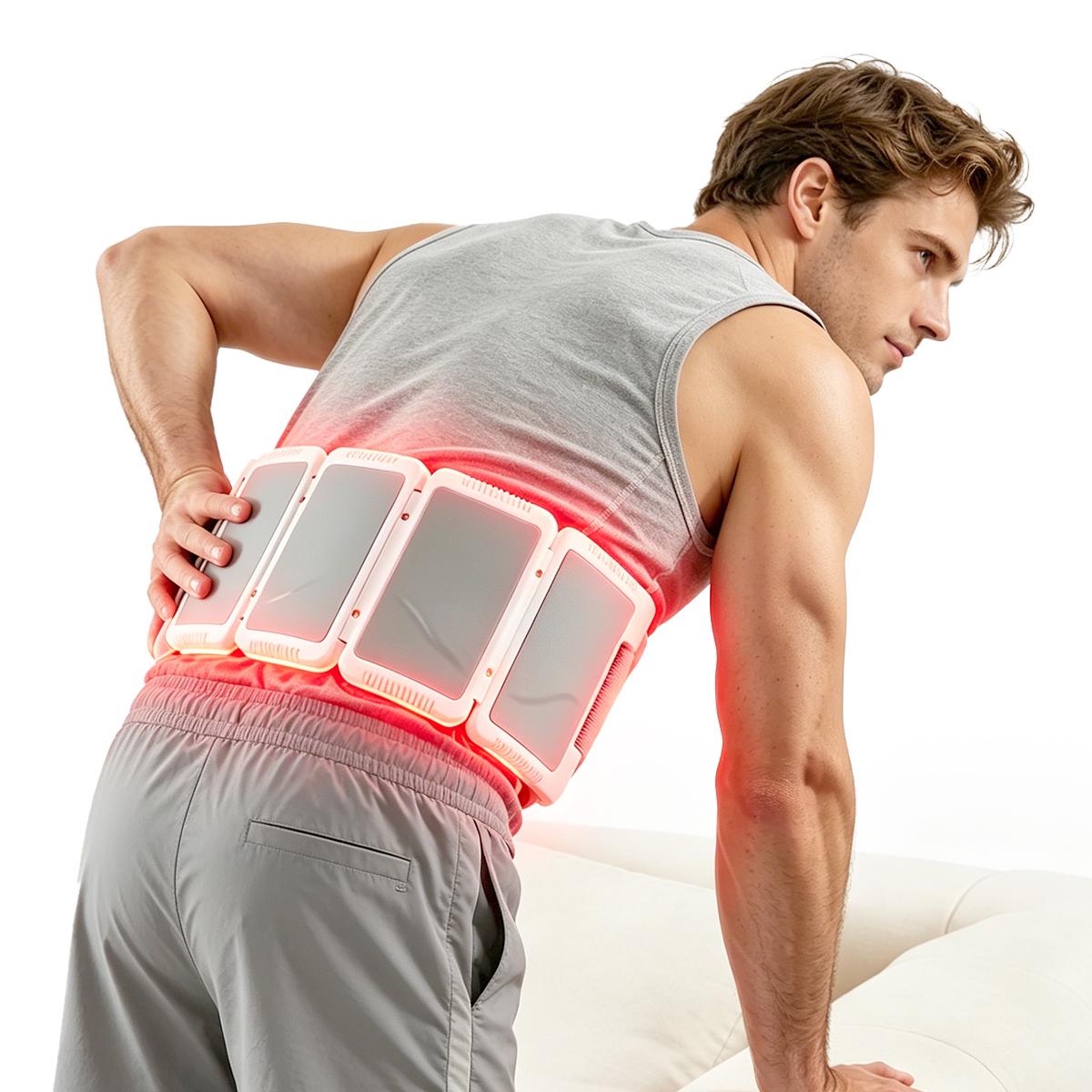
China's ascent in laser healing isn't accidental—it stems from a deliberate fusion of traditional medical philosophies with cutting‑edge photonics. For decades, Chinese researchers have explored how low‑level laser therapy can stimulate acupuncture points, merging millennia‑old meridian theory with modern biophysics. This unique cross‑pollination has produced novel protocols that accelerate tissue repair and reduce inflammation, attracting attention from clinicians worldwide who seek alternatives to drug‑heavy interventions.
The country's manufacturing prowess also plays a decisive role. By mastering the production of affordable, portable laser devices, China has made the technology accessible beyond elite hospitals. From rural clinics to urban wellness centers, a new generation of sleek, user‑friendly instruments enables practitioners to deliver consistent dosages with minimal training. This democratization of laser tools, coupled with rigorous clinical studies published in high‑impact journals, has positioned China at the vanguard of evidence‑based photomedicine.
Moreover, state‑backed initiatives have created an ecosystem where academic labs, private startups, and public hospitals collaborate seamlessly. Large‑scale trials on laser‑assisted wound healing for diabetic patients, or its integration into post‑surgical recovery protocols, have yielded compelling data. International patients now travel to specialized Chinese centers for treatments once considered experimental, signaling a quiet revolution that is reshaping global perceptions of non‑invasive laser therapy.
Breakthrough Applications in Chronic and Acute Wound Care
The landscape of wound management has been quietly transformed by a handful of innovations that sound almost too futuristic to be true—yet they're already making their way into clinics. For chronic wounds that refuse to heal, things like smart dressings embedded with pH or temperature sensors are enabling real‑time monitoring without disturbing the wound bed. And then there are bioengineered skin substitutes grown from a patient's own cells, which take the guesswork out of closing diabetic ulcers and severe burns.
Acute wound care is also shedding its old‑school bandage‑and‑hope approach. Haemostatic agents that can stop catastrophic bleeding in under a minute have become portable enough for battlefield or remote emergency use, buying precious time where every second counts. Meanwhile, cold plasma devices are being handheld and used right at the bedside to disinfect wounds while kickstarting cellular repair, reducing reliance on systemic antibiotics.
What ties all these breakthroughs together is a push toward personalization. 3D bioprinting is inching closer to on‑demand tissue grafts that match a wound's exact shape and depth, and AI‑driven image analysis helps clinicians spot subtle signs of infection earlier than the human eye can. It's a quiet revolution, but for patients stalled in months of painful dressing changes or facing life‑threatening trauma, these aren't just incremental upgrades—they're a fundamentally different ending to the story.
Personalized Protocols: Tailoring Laser Therapy to Patient Needs
Every individual presents a unique canvas of skin, and recognizing this diversity is the cornerstone of effective laser treatment. Rather than applying a one-size-fits-all approach, practitioners now design bespoke therapeutic journeys based on careful assessments of skin type, tone, and the specific condition being addressed. This personalization often involves selecting the optimal wavelength and pulse duration, while also factoring in a patient’s lifestyle, pain tolerance, and expected downtime. By integrating advanced diagnostic tools and detailed consultations, clinicians can craft protocols that not only maximize results but also drastically reduce the risk of adverse effects, making the entire experience more comfortable and rewarding for the patient.
The evolution of laser technology has introduced devices that allow for real-time adjustments, enabling practitioners to tweak energy levels and spot sizes mid-procedure. This adaptability is particularly crucial for treating dynamic conditions like rosacea or melasma, where the skin’s response can vary across different facial zones. Beyond the technical parameters, personalization also entails aligning treatment schedules with the body’s natural healing cycles. For instance, spacing sessions appropriately ensures that collagen remodeling is optimized without overtaxing the skin. Likewise, pre- and post-treatment care regimens are customized with ingredients and techniques suited to the individual’s unique barrier function and recovery patterns, fostering a smoother healing phase.
Moreover, tailoring laser therapy extends into the realm of patient education and shared decision-making. When individuals understand the rationale behind each step—from patch tests to gradual energy escalation—they become active participants in their care, which can significantly improve compliance and satisfaction. This collaborative environment encourages open dialogue about expectations and potential side effects, allowing for continual protocol refinement. In the long term, such a patient-centric model builds trust and often leads to sustained outcomes, as the treatment strategy evolves in tandem with changes in skin condition, age, and personal goals. Ultimately, personalized laser protocols transform a routine cosmetic procedure into a thoughtfully curated health experience.
Combining Laser Techniques with Traditional Chinese Medicine
The integration of laser technology with traditional Chinese medicine (TCM) opens a fascinating frontier where ancient wisdom meets modern precision. By applying low-level laser therapy to acupuncture points instead of needles, practitioners can stimulate meridians non-invasively, achieving effects comparable to traditional acupuncture but with greater consistency and patient comfort. This hybrid approach is particularly appealing for those wary of needles, and it allows for fine-tuned control over dosage and penetration depth, potentially enhancing therapeutic outcomes for pain management, addiction cessation, and stress-related disorders.
Beyond laser acupuncture, advanced photonic devices are being used to analyze TCM diagnostic indicators such as tongue coating and pulse patterns. High-resolution laser imaging can objectively quantify tongue color, moisture, and texture, translating subjective observations into reproducible data. Similarly, laser Doppler flowmetry offers a way to monitor subtle changes in microcirculation that reflect the flow of Qi and blood, bridging the gap between traditional concepts and measurable physiological parameters. This intersection not only validates TCM practices but also paves the way for personalized treatment protocols based on real-time biophysical feedback.
What truly sets this combination apart is the synergy between the holistic, systemic philosophy of TCM and the targeted, evidence-based nature of laser medicine. For example, laser-enabled photobiomodulation can reduce inflammation and promote tissue repair, complementing herbal remedies that aim to rebalance the body’s internal environment. Collaborative clinical studies are already exploring how laser stimulation of specific acupoints can enhance the absorption and efficacy of traditional herbal formulas, suggesting a future where treatments are not just combined but intentionally designed to amplify each other’s strengths, making ancient remedies more accessible and effective in the modern era.
Real Patient Stories: Faster Recovery and Reduced Scarring
After a cycling accident left a deep gash on my forearm, I was worried the scar would be a constant reminder of that day. But within just three weeks, the wound had closed smoothly, and now, barely six months later, the mark is so faint that people don't notice unless I point it out. The recovery felt fast—I could use my arm normally in under a week—and the minimal scarring still surprises me.
I’ve had two C-sections, and the difference between them is night and day. With my first, the incision healed slowly and left a thick, raised scar that itched for months. For my second, I followed a dedicated post-surgery care routine that included gentle massage and silicone strips. This time, the scar is flat, skin-colored, and barely visible after just four months. I felt more like myself, sooner.
My daughter fell at the playground and needed stitches on her cheek, which broke my heart. But we stayed on top of wound care, keeping it clean and moist, and used a healing ointment religiously. Now, a year later, you’d never guess there was a gaping cut there. Even the doctor was amazed at how well it healed, with no puckering or discoloration.
FAQ
Laser wound healing uses focused light energy to stimulate tissue repair and reduce inflammation. In China, it's being integrated into clinical practice for treating chronic wounds, burns, and surgical incisions, with many hospitals adopting low-level laser therapy as a standard adjunct to accelerate recovery.
China has heavily invested in photomedicine research, with numerous studies and patented technologies emerging from its top medical universities. The combination of robust government funding, a large patient population for clinical trials, and rapid tech commercialization has pushed Chinese innovations to the forefront of laser wound care.
Practitioners often use low-level lasers like helium-neon and gallium-aluminum-arsenide diode lasers, as well as newer fractional CO2 lasers for scar remodeling. These are chosen for their ability to penetrate tissue at specific depths and stimulate cellular activity without causing thermal damage.
The photobiomodulation effect boosts mitochondrial function, increases ATP production, and promotes collagen synthesis. This leads to faster cell proliferation, improved blood flow, and modulation of inflammatory cytokines, all of which work together to close wounds more quickly and with better cosmetic outcomes.
It's non-invasive, pain-free, and can reduce the need for systemic medications. Lasers can precisely target damaged tissue, lower infection rates, and often shorten hospital stays. For chronic wounds like diabetic ulcers, it offers a solution when conventional dressings and antibiotics fail.
Yes, particularly in diabetic foot ulcers and pressure sores where standard care often stalls. Chinese studies report remarkable improvements in granulation tissue formation and wound closure rates, sometimes cutting healing time in half compared to conventional therapy alone.
It's commonly used to minimize scar formation, reduce swelling, and manage pain after procedures like cesarean sections, plastic surgeries, and orthopedic operations. Many patients receive laser sessions starting within days of surgery to optimize healing and long-term tissue appearance.
The National Medical Products Administration (NMPA) has established strict guidelines for laser medical devices, requiring rigorous clinical evaluation. Many devices are now registered as Class II or III medical instruments, and ongoing post-market surveillance ensures their safe application across healthcare settings.
Conclusion
In China, laser wound healing is rapidly evolving from a futuristic concept into a clinical mainstay, thanks to a deep understanding of photobiomodulation—the science of how specific light wavelengths accelerate cellular repair. Researchers have mapped out how red and near-infrared light stimulates mitochondrial activity, boosting ATP production and enhancing the migration of fibroblasts and keratinocytes essential for tissue regeneration. This scientific rigor, combined with a national push toward medical innovation, has positioned China as a rising hub for laser therapy. What truly sets the approach apart is the shift toward personalized protocols: clinicians now tailor wavelength, intensity, and pulse duration based on wound type, patient age, and skin characteristics, moving away from one-size-fits-all treatments. Increasingly, these modern techniques are being woven together with traditional Chinese medicine, where laser acupuncture points are stimulated to improve local blood flow, creating a synergistic effect that respects ancient wisdom while harnessing cutting-edge light technology.
The practical impact is most visible in the management of stubborn diabetic ulcers, pressure sores, and even surgical incisions that once defied conventional care. Chinese hospitals have reported markedly shorter healing times and a sharp reduction in infection rates when laser therapy is integrated early. Patient accounts echo these findings—like a retired construction worker who walked again within weeks after a non-healing foot ulcer closed, or a young woman whose post-surgical scar became barely noticeable after a tailored laser regimen. These stories highlight not just speedier tissue repair but also improved quality of life. As more clinical data emerge, laser wound healing in China is poised to redefine standards of care, blending rigorous science, personalization, and cultural medical heritage into a true revolution in tissue recovery.
Contact Us
Contact Person: Leon Yi
Email: [email protected]
Tel/WhatsApp: +86 17363316873
Website: https://zzgt.en.alibaba.com/