

Pot Still Factory: Unveiling the Time-Honored Craft of Small-Batch Distilling
2026-05-14
Step into the world of small-batch distillation, where every drop tells a story. At DYE, the pot still factory isn't just about production—it's a living tribute to time-honored craftsmanship, where copper stills and patient hands shape spirits with character. What secrets do these age-old methods hold that modern techniques overlook? Discover why connoisseurs are turning back to the roots of distilling, and how tradition yields flavors no machine can replicate.
The Living Heart of a Pot Still Factory
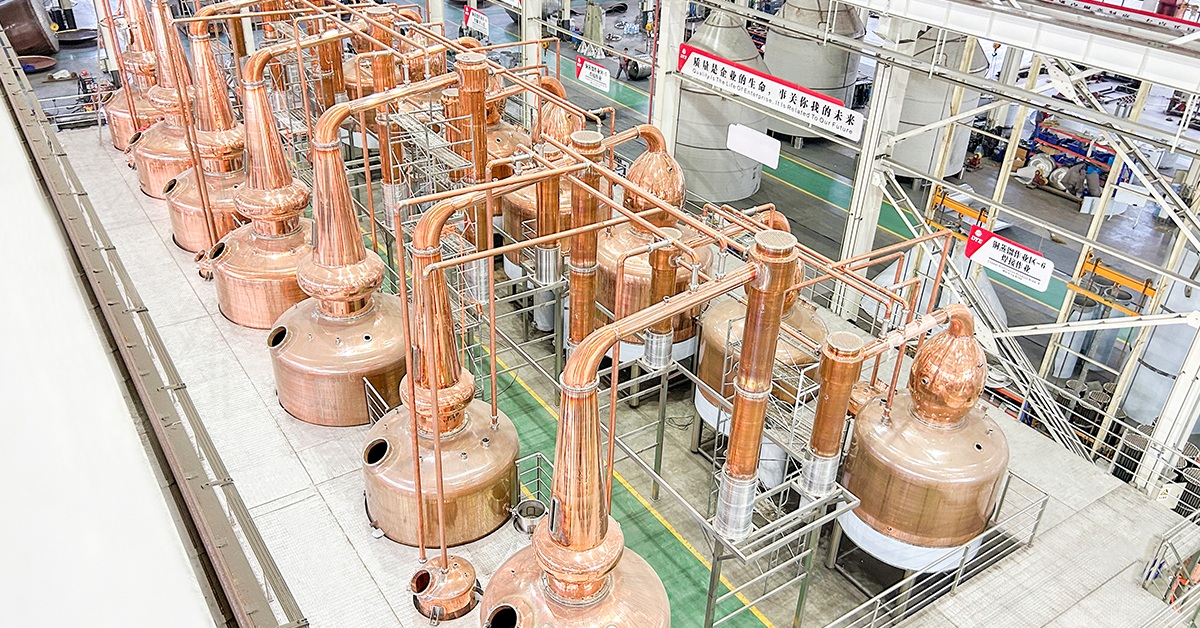
Step through the weathered doors of a traditional pot still distillery, and the first thing that strikes you is the measured, almost musical rhythm of copper and steam. At the center of this cathedral of craft stands the pot still itself — a bulbous, hand-beaten giant that seems to breathe with each cycle of distillation. It’s not merely a piece of equipment; it’s the throbbing heart that pumps character into every drop of spirit. Unlike its industrial counterparts, a pot still works in slow, deliberate pulses, relying on generations of passed-down instinct rather than digital precision to coax out the soul of the wash.
The magic unfolds in the gentle, rolling boil of the liquid, where the lighter alcohols and delicate esters rise first, nudged upward through the swan neck by nothing more than the relentless whispering of heat. The distiller’s art lies in the fine cut — the moment when the harsh, throat-burning foreshots give way to the sweet, complex heart of the run. That heart, captured in the middle of the process, carries the fingerprint of the still’s shape, the slow dance of copper contact, and even the subtle influence of the weather pressing against the stone walls outside.
Walk closer and you’ll notice the patina on the copper, a greenish-blue testament to countless interactions between metal and vapour — a chemical conversation that removes unwanted sulphur compounds and polishes the spirit’s edge. No two pot stills are ever truly identical; over decades, the slight dents, the angle of the neck, and the thickness of the metal each play their part in shaping flavour. It’s this living, evolving relationship between man, still, and time that makes every distillery’s output unmistakable, as if the heart beats a different rhythm for every family that tends it.
Why Copper Shapes the Spirit
There's a quiet, almost magnetic quality to copper that resists cold definition. It doesn't simply sit in the hand; it seems to absorb and reflect the intentions we pour into it. For centuries, those who work with raw materials in spiritual practice have noticed that copper carries a living warmth, a subtle current that feels less like science and more like a shared secret between the metal and the soul.
Perhaps it's the way copper weathers and changes, developing a patina that tells its own story. This transformation mirrors our own inner shifts—the way grief, love, and time alter us without erasing our core. Holding a copper piece, you can sense that it holds space for imperfection, for the layered truth of who we are. It doesn't demand purity; it honors the journey.
In many traditions, copper is seen as a bridge—not a loud, performative bridge, but one that quietly links our scattered thoughts to a deeper bodily knowing. It reminds us that spirit isn't something distant or abstract, but something that can be touched, shaped, and felt. When we shape copper, we shape ourselves, learning to bend without breaking, to conduct energy without losing our own charge. That is why copper shapes the spirit: not through force, but through the gentle art of staying present and true.
From Grain to Mash: The Quiet Beginning
There’s a certain hush that settles over the mill room before the real work begins. It’s not silence exactly, but a low, expectant murmur of machinery waiting to wake. The grain arrives in sacks or silos, carrying the scent of sun and soil from fields far away. Each kernel holds a secret patience, a quiet promise that won’t break until grinders and rollers turn, coaxing out the starch hidden inside. This first step feels almost sacred—a gentle disruption, nothing like the furious boil or the bubbling ferment to come.
Water joins the milled grain with similar modesty. No dramatic pour, just a steady trickle that soaks and swells, lifting the dust of crushed husks into a damp, earthy perfume. The mash tun becomes a landscape of slow transformation: enzymes rouse themselves from dormancy and begin their silent, precise work. They unzip complex carbohydrates with a care that seems deliberate, prepping the sugars for a future date with yeast. It’s chemistry without fanfare, a quiet beginning that will later shout in the fermenter.
This stage often gets overlooked. No bubbling airlocks, no hissing steam, just a patient conversion happening in the dim warmth. Yet everything that follows depends on these unassuming hours. The grain, once proud on its stalk, gives way to a sweet, grainy liquor that barely hints at the character it will later show. It’s a reminder that great fermentations begin not with noise, but with a whisper.
Fermentation: Where Patience Meets Possibility
Patience in fermentation isn’t quiet—it’s a slow, deliberate conversation between ingredients and microorganisms. Every garlic clove submerged in honey or cabbage leaf massaged with salt sets off an invisible rhythm. Days pass. Bubbles rise. Flavors twist and deepen in ways a recipe can’t fully predict.
The real alchemy happens when you stop rushing. A jar of forgotten kombucha on the counter grows a SCOBY thick as a palm, while wild yeasts in a sourdough starter turn flour and water into something tangy and alive. This is where possibility sneaks in—unexpected sour notes, a faint fizz on the tongue, a complexity no shortcut can replicate.
You learn to read signs instead of clocks: the smell of overripe fruit giving way to vinegar, a brine turning cloudy with promise. Mistakes become discoveries. A too-long ferment births a new favorite hot sauce; a neglected crock of kraut teaches you about resilience. Fermentation resists perfection but rewards attention, transforming waiting from a passive act into a quiet collaboration with nature’s oldest chemistry.
A Slow Dance with Heat and Steam
There’s a quiet magic in letting a pot come to temperature gradually, the flame barely flickering beneath heavy cast iron. That first wisp of steam escapes like a sigh—not urgent, but patient. The water doesn't boil; it quivers, forming lazy bubbles that cling to the sides, shaping the rhythm of what’s to come.
As the minutes stretch, aromas begin their slow rise—onions turning translucent, garlic mellowing from sharp to sweet, herbs releasing oils that suspend in the moist air. This isn’t a frantic sauté but a gentle braise, where each ingredient softens into the next, surrendering texture and flavor without force. The steam grows thicker, carrying salt and earth and time itself.
What emerges from that closed lid hours later is never just a meal. It’s the result of choice and restraint—deciding when to add, when to wait, when to trust the heat to do its silent work. The dance leaves no edges; only melting tenderness wrapped in a sauce built drop by drop, a meditation made edible.
Barrel Aging: The Final Craft
Barrel aging is where patience meets precision. After months of fermentation and distillation, the spirit enters the quiet darkness of oak casks, and that’s when the real transformation begins. The wood breathes, expands, contracts with the seasons, slowly pulling out vanilla, caramel, and spice from the charred staves while mellowing the raw edge of youth. There’s no rushing this stage; it’s a slow dance between alcohol and lignin, tannin and air. A barrel isn’t just storage—it’s the final ingredient, the one that can’t be synthesized or shortcut.
Every barrel tells a different story. Some are charred heavily, others only toasted; some held bourbon, others sherry or port. The spirit quietly absorbs those memories, layering dried fruit over smoke, or honeyed sweetness over cracked black pepper. Small decisions ripple through years of slumber—shifting a barrel from the top shelf to the floor can produce a markedly different character, all because temperature and humidity play invisible hands. It’s not just about time; it’s about microclimate, wood grain, and the sheer luck of which cooper built the cask.
When the barrel finally yields its treasure, you taste more than just wood influence—you taste the stillness of the cellar, the patience of the maker, the thousands of tiny choices that had to be just right. The spirit that went in was full of potential, but the one that comes out has found its voice. That’s the final craft: not making something new, but letting something become what it was always meant to be.
FAQ
A pot still is a traditional copper vessel that distills spirits in batches rather than continuously. Unlike column stills, which strip out nearly all flavor for a neutral result, pot stills retain more congeners and oils from the raw materials. This means the spirit carries a fuller, richer character with distinct notes from the grain, fruit, or molasses used in the mash.
Small-batch distilling lets the distiller pay close attention to every phase—from fermentation to the final cut. There's room to experiment with subtle tweaks, like adjusting the mash bill or fine-tuning the distillation speed. The result is a spirit that reflects the ingredients and the maker's instincts, not a mass-produced profile.
Every step relies on hands-on skill rather than automation. The team monitors the still by sight, sound, and smell, deciding exactly when to make the cuts between heads, hearts, and tails. They also maintain the copper pot stills with techniques passed down for generations, avoiding shortcuts that could flatten the spirit's complexity.
It starts with a fermented mash—grain, fruit, or sugarcane—poured into the pot. Heat is applied slowly, usually from a steam jacket or direct fire. As the liquid warms, alcohol vapors rise through the still's neck and into a condenser, where they cool back into liquid. The first vapors, called heads, are discarded because they contain harsh compounds. Then comes the heart, the prized portion with balanced flavor and a smooth mouthfeel. Finally, the tails start to show heavier, oily notes, so the distiller decides when to stop collecting. The heart cut rests, often in oak barrels, before bottling.
Pot stills are the backbone of many spirits that demand depth—single malt Scotch, Irish whiskey, cognac, armagnac, and traditional rums. They're also used for brandies like calvados and for some artisanal vodkas and gins when a distiller wants a more pronounced grain character before redistilling with botanicals.
Copper does more than just conduct heat. It reacts with sulfur compounds that can give spirits an unpleasant rubbery or vegetal edge, turning them into harmless copper sulfate that stays behind in the still. This cleansing effect lets the fruitier, nuttier, and spicier notes shine through. Over time, the copper also develops a patina that can subtly interact with each batch, adding another layer of uniqueness.
They source heirloom grain varieties and non-GMO fruit from local farms, ferment with wild yeasts, and run the stills slower than industry norms. This unhurried rhythm coaxes out aromas and flavors that faster cycles miss. There's no rush to bottle either—the spirit rests until it tastes exactly right, with blending done by taste rather than a fixed formula.
Conclusion
Step into a pot still factory and you enter a realm where spirit-making is less about industrial speed and more about patient, small-batch artistry. Copper pot stills, often hand-beaten and maintained by artisans who understand their every curve, remain the living heart of the operation—not because tradition demands it, but because copper naturally strips away harsh sulfur compounds, leaving behind a cleaner, softer spirit. The journey begins quietly: grain becomes mash in a careful dance of temperature and enzyme conversion, converting starches to fermentable sugars. Fermentation follows, a slow, bubbling process where selected yeasts transform that sweet liquid into a low-wine wash, with each batch developing subtle nuances that large-scale production rarely captures.
The stillman then coaxes the wash through a slow distillation in a flame-kissed pot still, making careful cuts between heads, hearts, and tails to capture only the most expressive fraction. This gentle, twice-distilled approach—often with only a few hundred liters at a time—preserves the grain's character and the slight imperfections that make small-batch spirits memorable. Finally, the clear spirit is rested in carefully chosen oak barrels, where months or years of patient aging weave in layers of vanilla, spice, and depth. In a pot still factory, every bottle tells a story of hands-on craft, from mash to cask, revealing how unhurried methods still define the truest spirits.
Contact Us
Contact Person: Ada Xu
Email: [email protected]
Tel/WhatsApp: 0577-86806088
Website: https://www.dayuwz.com/