

Professional HDMI Cable Features Worth Checking Before Your Next Setup Upgrade
2026-11-16
Most setup upgrades fail in the one place people rarely inspect: the cable. A better HDMI cable doesn't just fit—it has to survive bandwidth demands, refresh rates, and distance without turning your signal into guesswork. EBCYX focuses on those practical details, and the features below are the ones worth checking before you spend another minute troubleshooting.
Speed Ratings That Stay Honest Under Real Load
Most speed ratings are captured on an empty drum, in a clean lab, with nothing but the belt's own momentum to overcome. That number looks impressive on a spec sheet, but it rarely survives contact with a loaded conveyor. A belt that runs 600 feet per minute with no cargo can drop to half that once several tons of material are pressing down on the rollers, increasing friction and forcing the motor to work harder. The difference is not a small percentage point; it can be the gap between planned throughput and a bottleneck at the feed point.
What matters is how the speed holds when the belt is actually doing its job. Real load introduces variables that static tests ignore: belt sag between idlers, drive pulley slip, material build-up on return rollers, and fluctuating tension from uneven loading. A rating that stays honest under real load means the belt was tested with weight on it, not just in a no-load spin-up. It should specify the load per linear foot, the idler spacing, and the ambient conditions during the run. Without those details, a speed number is closer to a marketing claim than an operational parameter.
This honesty shows up in the field. Operators who choose belts based on loaded speed curves rather than no-load maximums spend less time adjusting drive settings or clearing spillage. They also avoid the common failure mode of running a belt at its edge all shift, which shortens splice life and increases energy draw. A speed rating that stays honest under real load isn't just a bigger number; it's a number you can put into a production forecast and expect to see on the floor the next morning.
The Connector Feel Test Most Installers Overlook
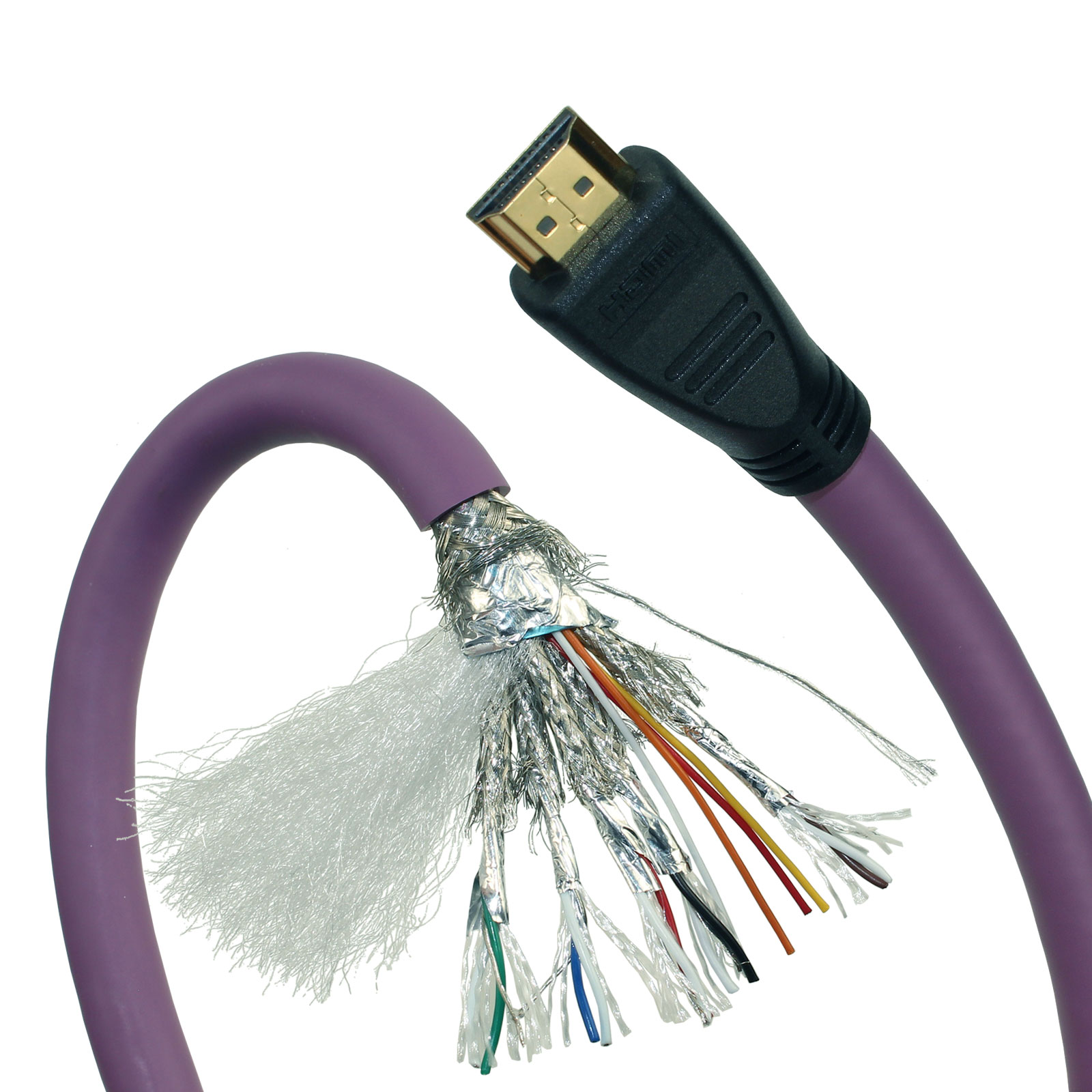
Grab a handful of connectors from the same batch and mate them one by one. A solid pin should slide in with a faint, consistent resistance before the latch clicks—no hesitation, no sudden grab. If you notice a connector that feels mushy on insertion or requires an extra nudge to seat, that unit is already telling you something about its tolerance stack. Most installers only check continuity and move on, but your fingers can pick up variations that a basic multimeter never will.
Pay attention to the unmate cycle too. A good connector releases with a crisp, predictable breakaway force. When the disengagement feels sticky or uneven across pins, you're often dealing with plating wear, a slightly deformed housing, or a terminal that isn't fully locked into the cavity. Run through ten or fifteen cycles on a sample before committing a full harness, and you'll catch marginal parts that would otherwise fail a month into service.
The overlooked part is temperature. Warm a connector in your hand for thirty seconds and feel the terminal again—some contact geometries loosen noticeably as the plastic softens and the metal expands. That shift in insertion force is a red flag for high-current circuits where a few milliohms of extra resistance can turn into heat. Trust the finger test early, and you'll spend far less time chasing intermittent faults after the install.
Where Signal Starts Fading Before the Spec Sheet Says
Every radio data sheet will tell you the receiver sensitivity at a specific bit rate and packet length, but real-world signals rarely behave that neatly. The first place you notice the gap is in the handshake: the transmitter's preamble gets recognized, the sync word aligns, and then the payload crumbles into bit errors even though the RSSI reading looks perfectly healthy. What's happening is that the automatic gain control and clock recovery circuits are struggling against something the spec sheet never isolates—phase noise, adjacent channel leakage, or a reflection arriving just late enough to smear the symbol boundaries.
That margin between "linked" and "usable" is where most integration headaches hide. A module might claim -110 dBm sensitivity with a 1% packet error rate, but the moment you add a switching regulator or route the antenna near a high-speed data line, the effective sensitivity drops by 6 to 10 dB without any single component failing its own test. The spec sheet assumes a clean lab bench, not a crowded enclosure with a battery charging circuit injecting broadband noise into the ground plane.
You can spot the onset early by watching the retry counters on both ends. When the link budget says you have 20 dB of headroom but the session keeps dropping to a lower data rate, the signal isn't weak—it's polluted. The fix usually isn't more transmit power, but better placement, filtering, or timing. Chasing the last few dB on paper just moves the failure to a different corner of the board.
Cable Jackets and Shielding That Earn Their Space
A jacket has to do more than sit there looking tough. In tight equipment bays and cable carriers, the materials that survive are the ones that pull their weight without adding bulk. A polyurethane or TPE outer layer can shrug off oils, abrasion, and repeated flexing while staying thin enough to route through places a rigid PVC design simply will not go. That trade-off between toughness and footprint is what separates a purposeful build from an afterthought.
Shielding follows the same logic. A foil-and-braid combination often earns its place because it suppresses interference across a wider frequency range than either method alone, yet it remains lighter and more flexible than a solid tube of metal. The goal is not maximum coverage for its own sake; it is enough coverage in the right places, so the cable can still bend without the shield cracking or the assembly turning into a stiff harness that fights the installer.
The real test comes after installation. Cables that earn their space are the ones maintenance teams forget about because they do not need constant re-routing, re-terminating, or replacing. A well-chosen jacket and shield reduce downtime quietly, keeping signal paths clean and mechanical strain low. In that sense, the best materials are not the ones with the longest datasheet, but the ones that disappear into the system and let the equipment do its job.
HDMI Standards and the Labels That Get Misused
The trouble with HDMI usually starts at the shelf, where a cable or a port gets reduced to a single version number. That number is treated like a guarantee of capability, but the HDMI ecosystem has long separated the specification for the interface from the certification for the cable. A cable sold as HDMI 2.1 is not automatically carrying every feature from the 2.1 spec, and many older cables can handle parts of it just fine. The label often reflects a moment in product positioning rather than a measured level of performance.
Nowhere is this mess more visible than in the 2.1 transition. The HDMI Forum quietly folded the old 2.0 spec into 2.1, which means some devices advertised as 2.1 support only a small slice of what people assume the label includes. Variable refresh rate, auto low latency mode, and 48Gbps bandwidth are not mandatory as a whole. Because the certification rules let manufacturers claim 2.1 while implementing only certain subsets, the version number has become almost useless for comparing products.
Cables, at least, offer a clearer path if you ignore the version noise and look at the speed certification. Standard, High Speed, Premium High Speed, and Ultra High Speed refer to tested throughput, and Ultra High Speed is the only one built for uncompressed 8K and full 48Gbps signals. Even there, a certified label matters less than the actual construction over long runs. When a cable fails, it is usually not because the number on the box was too low, but because the label promised more than the copper inside could deliver.
Audio and HDR Features That Separate Workhorses from Paper Specs
Plenty of panels carry an HDR badge, but the ones worth relying on handle tone mapping without throwing a tantrum during long sessions. A workhorse display keeps peak brightness stable after the first few minutes instead of fading once the thermal limits kick in, and it doesn’t turn mixed SDR and HDR windows into a flickering mess. Shadow detail stays readable without lifting blacks into gray, while bright highlights don’t clip into flat white patches. Those differences rarely show up on a spec sheet, but they become obvious the first time you edit footage or read a dashboard under changing light.
Audio output tells a similar story. A meaningful headphone jack isn’t just about being present; it needs to stay quiet with sensitive in-ear monitors and avoid audible hiss when no signal is playing. At higher volume, speech should keep its weight and texture rather than turning harsh or hollow. For line-level or digital output, proper channel separation and bit-perfect passthrough matter far more than a bigger wattage number. Built-in speakers on laptops and monitors can also separate practical tools from marketing checklists, especially if voice remains clear during calls and doesn’t rattle the chassis at normal listening levels.
The real test happens when audio and HDR are forced to work together. Switching between color profiles, changing refresh rates, or waking from sleep can trigger loud pops, long black screens, or a sudden shift in perceived volume on poorly tuned hardware. Gear that holds up under those transitions feels invisible in daily use, while weaker implementations constantly remind you they exist. That kind of composure is what turns a collection of impressive numbers into something you can actually depend on when the workday gets messy.
FAQ
The rating alone is not worth much unless it carries Ultra High Speed certification. Certified cables are tested for the full 48Gbps throughput with all features running at once, while uncertified ones often fall apart at 4K120 HDR or eARC.
For runs under 15 feet, a well-built copper cable usually has no problem. Fiber starts to earn its cost past 25 feet, especially when you want 4K120 or 8K60 without random dropouts.
A lot. The connector is the most common failure point. Look for reinforced necks, gold-plated contacts, and strain relief that stays attached after repeated bending near the back of a media console.
They add genuine abrasion resistance and make cables easier to pull through a rack without snagging. That said, the outer jacket matters less than the internal shielding, and a nice braid cannot fix poor signal handling.
Both are fire safety ratings for in-wall installation. CL2 covers most residential runs inside walls, while CL3 is slightly stricter for higher voltage environments. If the cable passes through a wall, a standard patch cable is the wrong tool.
Not in the way people assume. Digital HDMI either delivers the signal or it does not. Extra money should buy certified bandwidth, better shielding, and stronger connectors, not a sharper or more colorful image.
Often yes, when the dropout comes from marginal bandwidth or weak shielding. But check firmware and device settings first, because a badly implemented eARC handshake on a TV or receiver can create the same symptom without any cable fault.
Treat the phrase as marketing until it carries the Ultra High Speed label. True 8K60 and 4K120 require full 48Gbps capability, so certification is a far more reliable signal than wording on the box.
Conclusion
Most installers learn quickly that a cable's printed bandwidth figure means very little until it is pushed by a full 4K HDR signal with lossless audio and a fast refresh rate. A cable that claims 48Gbps can still drop frames or fail a handshake when the run is long, bent near a power strip, or terminated with a connector that wiggles just enough to lose contact. The connector feel test is often skipped: plugs should seat with a firm, even click, and the strain relief should not let the head flex under its own weight. If the jacket kinks hard at the exit or the shell looks polished but thin, signal integrity usually suffers before the rated distance appears on a tester.
Shielding and jacket material are easy to ignore until an install sits close to power lines or gets pulled through a conduit. A dense braid, a proper foil wrap, and separate twisted pairs for TMDS or FRL lanes do more for stability than a thicker outer jacket. The labeling side is equally messy: “HDMI 2.1” is a version reference, not a guarantee of 4K120, eARC, VRR, or dynamic HDR support. Look for Ultra High Speed certification and then verify the features you actually need, because many cables pass basic video but choke on full audio return or HDR10+ and Dolby Vision passthrough. That gap between the datasheet and a long, demanding session is where a professional cable proves itself.
Contact Us
Contact Person: David Yang
Email: [email protected]
Tel/WhatsApp: 8615814734054
Website: https://www.ebcyx.com/