

Protein Bar Line Maker: Optimize Your Production Efficiency
2026-11-16
Every production manager knows the pain of watching a promising protein bar recipe lose its edge on a sluggish, inconsistent line. What if your bottleneck wasn't your formula, but your equipment? Meet GUSU — a protein bar line maker engineered to turn those frustrating slowdowns into a rhythm of relentless output. In this post, we’ll peel back the curtain on how smart automation and modular design can slash downtime, boost throughput, and keep your bars perfectly formed from first batch to last. No fluff, just the operational details that separate a good run from a great one.
Continuous Mixing That Keeps Dough Consistent From First Batch to Last
Traditional batch mixing often drifts as flour lots change or ambient conditions shift. A continuous system meters ingredients by weight rather than volume, adjusting water addition in real time based on dough resistance. This keeps hydration within a narrow window, so the first tray of buns and the last share the same chew and crumb.
Because dough moves through a single mixing chamber at a steady rate, there's no stop-start rest period that lets gluten relax unevenly. Temperature probes and torque sensors feed back to the mixer, trimming speed or adding a touch of ice water before things run hot. The result is a predictable dough that scales, divides, and proofs without surprises.
Depositing Heads That Hit Target Weights Without Constant Tweaking
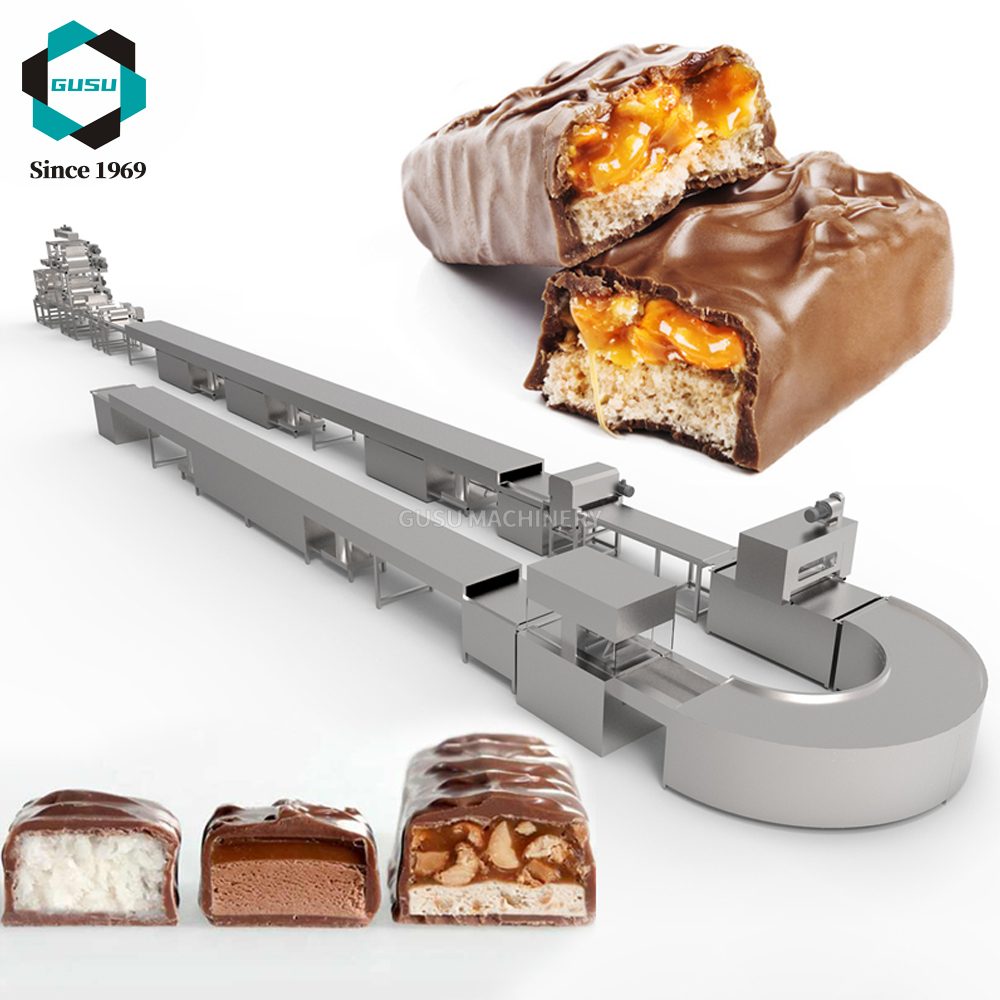
Most operators know the frustration of dialing in a depositing head only to watch weights drift after a few cycles. The real fix isn't more frequent manual adjustments—it's building a closed-loop system that measures each deposit and corrects on the fly. Pressure sensors, load cells, or in-line flow meters can feed data back to the controller, allowing it to compensate for viscosity shifts, temperature changes, and nozzle wear before they push output outside tolerance.
One practical approach is to pair a fast-acting valve with a predictive algorithm that learns from the last few deposits. Instead of reacting after a bad shot, the system adjusts open time or stroke length just enough to stay on target. This works especially well with materials that change behavior during a run, such as shear-thinning pastes or temperature-sensitive adhesives. The result is a consistent bead or dot weight with far less operator intervention.
Switching to this kind of self-correcting setup usually pays for itself quickly. You stop burning time on setup changes, reduce scrap from under- or over-filled parts, and make process limits more repeatable across shifts. The key is choosing sensors and controls that can handle the speed of your line—not just the average deposit volume. Once that’s dialed in, hitting target weights becomes a baseline expectation rather than a constant battle.
Rapid Cooling Tunnels That Preserve Protein Integrity
Rapid cooling tunnels are engineered to pull heat out of protein-rich materials within seconds, which matters because prolonged exposure to intermediate temperatures is where proteins start to unravel or clump. By moving product through a high-velocity chilled air stream, these tunnels create a steep thermal gradient that drives down core temperature fast enough to arrest denaturation before it takes hold.
The real advantage lies in how the cold is delivered. Instead of a uniform blast that can freeze the outer layer while the inside stays warm, modern tunnels use staged zones with adjustable airflow and humidity. This lets operators match the cooling curve to the specific protein's sensitivity, whether it's a dairy isolate, a plant-based slurry, or a cultured biomass. The result is a product that retains its solubility, gel strength, and biological activity.
In practice, that means fewer rejected batches and a cleaner label for downstream processing. Because the protein stays intact, manufacturers can avoid adding stabilizers or rework agents to compensate for heat damage. The tunnel essentially preserves what the upstream process worked hard to create—without adding another variable to the production line.
Tool-Free Changeovers for Switching Between Bar Sizes in Minutes
Swapping between bar diameters used to eat up a big chunk of the shift, but this machine drops that ritual entirely. Every clamping point that touches the bar is released and re-engaged by hand—no wrenches, no loose parts, no torque specs to remember. The operator just backs off a few spring-loaded levers, slides in the new stock, and locks everything back down. Even going from the smallest to the largest capacity bar takes under two minutes once you know the hand positions.
The real time-saver is that the guides and feed rollers are indexed for each common diameter, so alignment is repeatable instead of guesswork. A quick-reference label near the infeed shows which lever slot matches which bar size, and the stops are shaped to prevent mismatched setups. Because nothing is bolted to the floor or buried behind panels, the whole changeover happens from the operator's side without kneeling or reaching into pinch points.
For shops that run mixed bar sizes on the same line, this adds up fast. Every minute saved on a changeover is a minute the machine keeps feeding, straightening, or cutting. And since the process doesn't rely on tool carts or air lines, there's no hunting for the right socket when a rush order comes through. The simplicity also lowers the training burden—new operators can be shown the sequence once and perform it safely on their own.
Inline Inspection That Catches Imperfections Before Wrapping
Every package that reaches the wrapper has already passed through a gauntlet of cameras and sensors, but this stage is the last chance to spot a stray crumb, a misaligned label, or a torn corner before it disappears under film. The inline system sits directly above the conveyor, snapping high-resolution shots at full production speed and flagging anything that deviates from the master image by more than a fraction of a millimeter.
Because the inspection runs in real time, operators see the defect on a live dashboard the moment it happens, not after a shift batch report. A sealed wrapper can hide a flaw forever, so the system is tuned to be deliberately strict—rejecting borderline packages and sending them to a side lane for manual rework. That tight threshold is what keeps customer complaints about foreign objects or half-sealed edges almost nonexistent.
Sanitary Conveyors Designed for High-Pressure Washdowns
Most conveyors fall apart in a high-pressure washdown environment not because the frame rusts, but because water forces its way into bearings, hollow rollers, and crevices that never fully dry. Once that happens, bacterial growth and premature component failure become inevitable. Sanitary conveyors built for these conditions start with an open, self-draining framework — no enclosed tube sections, no flat ledges where puddled water can sit. The goal is simple: every surface should shed water within seconds, leaving nothing behind for microbes to feed on.
The hardware choices matter just as much as the geometry. Continuous TIG-welded seams with ground and polished finishes remove the cracks and overlaps where contamination hides. Standoffs and spacers separate close-fitting parts so spray can reach behind them, while sloped top plates and angled feet direct runoff away from critical areas. Bearings are typically sealed, mounted in standoff housings, or replaced with food-grade polymer alternatives that tolerate repeated exposure to hot water and caustic foam without swelling or cracking. Many of these conveyors are built from 304 or 316 stainless steel, with non-metallic components selected from FDA-compliant materials that resist chemical attack.
A well-designed sanitary conveyor doesn't just survive washdowns — it makes the cleaning crew's job faster and less dependent on perfect technique. Quick-release belt tensioners allow the belt to be loosened in seconds for daily sanitation, while open-frame construction lets inspectors see through the structure to confirm no residue remains. This design philosophy pays off in reduced downtime, fewer replacement parts, and fewer failed swab tests. For food processing, dairy, meat, or pharmaceutical lines where 1,500 psi washdowns at 180°F are routine, the difference between a general-purpose conveyor and a true sanitary model shows up within the first month of operation.
FAQ
It handles dense, sticky doughs without constant jams, and its forming heads are tuned for high-protein matrices that tend to seize up standard rollers.
Many operations see 20–35% gains once changeover times shrink and scrap from misshapen bars drops, but it depends on current bottlenecks.
Yes, with interchangeable depositors and cooling tunnels you can switch between slab, filled, and layered styles in under an hour on most modern systems.
Precise jacketing on mixing and forming zones prevents the mass from becoming too tacky or too brittle, which directly affects portion accuracy and bar shape.
Often yes if you're running at least one shift near capacity; the payback comes from fewer labor hours per bar and less rework, not just raw speed.
Look for tool-free belt removal, sloped surfaces, and dedicated vacuum ports so cleaning between allergen runs takes minutes instead of hours and validation is easier.
Daily wipe-down of forming rollers, weekly belt tension checks, and monthly lubrication of drive chains prevent most unplanned downtime; sensors on wear parts help too.
Modular frames and extra ports for second depositors or longer cooling tunnels let you add capacity in stages, so you're not buying a new line every time demand jumps.
Conclusion
Getting protein bars out the door without batch-to-batch drift starts long before wrapping. A line built around continuous mixing keeps viscosity and texture steady from the first kilogram through the last, so you're not chasing moisture swings or smearing issues mid-shift. Pair that with depositing heads that hold target weights without fiddly corrections, and your operators stop babysitting the hopper and start watching overall throughput. Then there's the cooling step, which often gets overlooked. Rapid cooling tunnels pull heat out quickly enough to lock in protein structure, so bars hold their shape, chew, and nutritional claims instead of turning crumbly or sticky after packaging.
When you need to switch from a 40-gram snack size to a 60-gram meal replacement, tool-free changeovers mean the line is back up in minutes, not hours. That flexibility keeps small runs profitable and lets you answer retail demand shifts without a maintenance crew. Inline inspection adds another layer: cameras and sensors flag off-spec thickness, length, or surface defects before wrapping, cutting rework and customer complaints. Finally, sanitary conveyors designed for high-pressure washdowns survive the aggressive cleaning cycles that protein residues demand, reducing downtime and contamination risk. Together, these elements turn what could be a patchwork of equipment into a single, balanced system where consistency, speed, and hygiene reinforce each other.
Contact Us
Contact Person: Zhang Wei
Email: [email protected]
Tel/WhatsApp: 8618662577837
Website: https://www.chocomachinery.com