

Reactor Electric Heater Maker: What You Need to Know Before Buying
2026-07-07
When sourcing a reactor electric heater, the maker you choose can make or break your process efficiency. Before committing to a purchase, there are critical factors that often get overlooked—ranging from material compatibility to thermal uniformity. At Shenzhou Chemical Industry, we've seen how the right heater design prevents costly downtime, yet many buyers still rush into decisions. This guide uncovers what truly matters, so you can avoid common pitfalls and secure a reliable heating solution.
How Reactor Electric Heaters Actually Work Without the Jargon
Reactor electric heaters are essentially powerful immersion heaters that sit directly inside the reactor vessel or circulate fluid through an external heating loop. They use electricity to heat resistive elements, much like the coil in a toaster, but engineered for high temperatures and corrosive environments. The heat transfers directly to the process fluid—be it liquid, gas, or slurry—without burning fuel or relying on complex intermediate systems.
The heart of the system is a metal-sheathed heating element, often made from materials like Incoloy or stainless steel, packed with compacted mineral insulation that both electrically insulates and efficiently conducts heat. When current flows through the internal resistance wire, the element surface warms up rapidly. In a direct immersion setup, the heater is flange-mounted and protrudes into the reactor, making direct contact with the contents. For sensitive materials, an external circulation heater may be used: a pump moves the fluid out of the reactor, through the heater, and back in, ensuring uniform temperature control without hot spots.
Control is straightforward—thermocouples sense the temperature, and a controller adjusts the power to the elements accordingly. This allows for precise ramping and holding at set temperatures, crucial for chemical reactions that demand tight tolerances. Because there’s no combustion, the heaters operate cleanly and can be integrated with over-temperature safety cutoffs. In essence, they turn electrical energy into exactly the heat you need, right where you need it, without the complexity of steam or thermal oil systems.
What Most Buyers Overlook About Material Quality
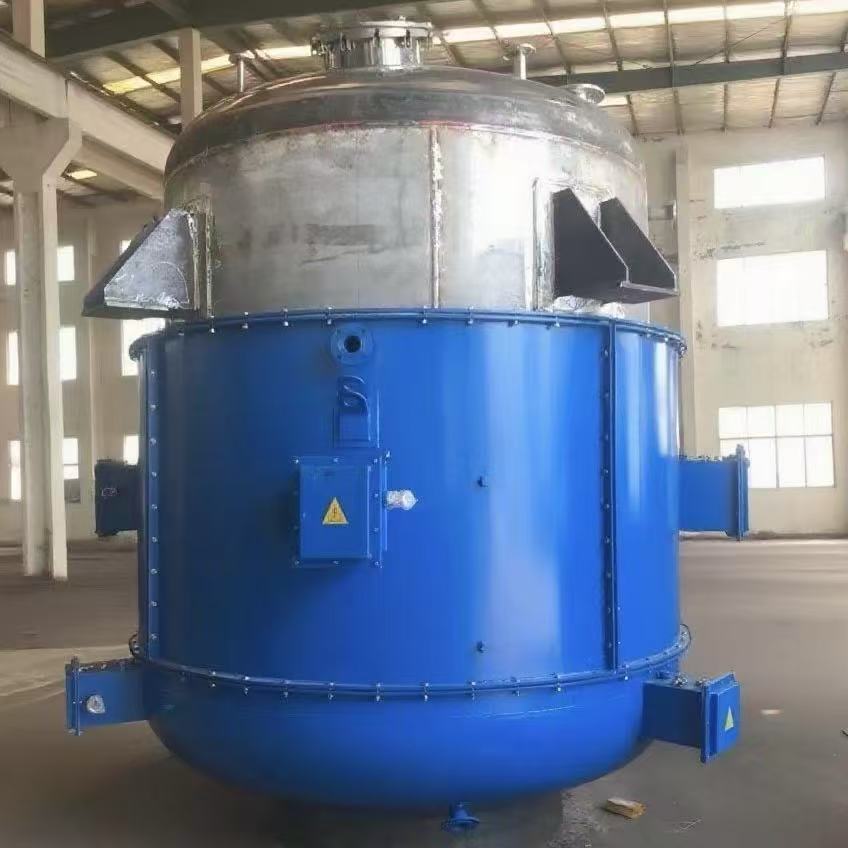
Many buyers fixate on the thickness of a material, equating heft with durability. But in reality, the manufacturing process often matters more. A well-engineered composite can outperform a thicker slab of solid wood, resisting warping and moisture where the latter fails. Without understanding how materials are bonded and treated, you’re gambling on longevity.
Another blind spot is the finish. A cheap veneer might look indistinguishable from solid hardwood at first, but its lifespan is a fraction of the real thing. The adhesives and sealants used are rarely scrutinized, yet they dictate how a piece handles everyday wear, UV exposure, and humidity shifts. Ignoring these details leads to costly replacements sooner than expected.
Finally, most buyers underestimate the value of material consistency. Natural variations in wood or stone are often celebrated, but unwanted inconsistencies—like uneven density in manufactured boards—can cause structural weaknesses. Certifications and source transparency aren’t just buzzwords; they’re your only real assurance of quality under the surface.
The Real Cost of Cutting Corners on Safety Features
When budgets tighten, safety systems are often the first items on the chopping block. It’s tempting to view backup cameras, reinforced bumpers, or collision avoidance as just another line item that can be downgraded or deleted. But what looks like a smart short-term saving almost always hides a far more expensive truth. The real cost isn’t the component itself—it’s the chain reaction of liability, injury, and reputation damage that follows when those missing features fail to protect people.
Beyond the obvious risk of higher accident rates, there’s a quieter financial bleed that companies rarely anticipate: insurance premiums spike, legal fees pile up, and downtime from even minor incidents eats into productivity. One overlooked sensor or a weaker guardrail can turn a routine day into a crisis that drains resources for months. In industries where margins are already thin, that kind of unplanned expense can be the difference between staying afloat and closing shop.
Then there’s the human element, which no balance sheet can fully capture. When workers or customers lose trust because a business compromised on safety, winning them back is nearly impossible. That erosion of confidence hits harder than any one-time equipment cost. Cutting corners doesn’t just endanger lives—it silently dismantles the very foundation a company relies on to grow and retain its people.
Why Customization Options Matter More Than You Think
It's easy to assume that customization is a luxury—something nice to have but not essential. In reality, the ability to tweak a product to your exact preferences often transforms how you interact with it daily. When something fits seamlessly into your workflow or personal style, it stops being just another tool and becomes an extension of how you work or live. This subtle shift makes the experience feel personal rather than generic, reducing friction and building a quiet sense of ownership that generic options rarely inspire.
Beyond personal comfort, customization also shapes long-term satisfaction. A feature you can adjust today might solve a minor annoyance, but over time, those small adjustments accumulate into a completely tailored experience that feels almost intuitive. That's the moment a product stops being replaceable. Without those options, even a well-built offering starts to feel rigid, pushing users to look for alternatives that bend more easily to their needs.
There's also a practical side that gets overlooked: customization often reveals how well a company understands its audience. When you see thoughtful settings that anticipate real-world use cases, it signals that the creators paid attention to more than just core functionality. That attention builds trust and a connection that glossy marketing can't replicate. In a market flooded with similar choices, the freedom to make something truly yours can be the deciding factor that keeps you loyal.
Installation Pitfalls That Even Experienced Teams Make
Veteran technicians sometimes overlook the simplest checks, like verifying that all mounting surfaces are truly flush before bolting down equipment. Even a tiny gap caused by debris or uneven flooring can lead to misalignment that escalates into severe vibration issues down the line. This isn't about carelessness—it's the quiet assumption that the base is fine because it looks fine. A habit of double-checking flatness with a straightedge and feeler gauge saves teams from chasing phantom problems after commissioning.
Another trap is treating fastener torque specs as suggestions rather than requirements. When you've installed the same model of pump a dozen times, it's tempting to go by feel. But subtle differences in gasket materials, ambient temperature, or even batch-to-batch bolt variations mean that today's 'right' might not match yesterday's. A seasoned crew can end up with bolts that are uniformly too loose or—worse—over-tightened, which cracks flanges or compresses seals past their elastic limit. The fix is painfully unglamorous: use a calibrated torque wrench every time, no exceptions, and log the values.
Even careful teams stumble when they ignore the sequence of connection tie-ins. Bringing a new subsystem into an existing, live environment demands restraint. Electrically, for example, the rush to integrate can backfeed power into circuitry that wasn't designed to handle it, damaging controls before anyone notices. Hydraulic or pneumatic lines present similar risks if residual pressure isn't bled and locked out. The instinct to finish quickly is the enemy here; the smartest teams assign a dedicated person to double-check lockout procedures and tie-in order—not because the lead installers don't know better, but because speed breeds blind spots.
Questions to Ask Before You Sign the Purchase Order
Before committing to a purchase order, dig into what’s not spelled out in the line items. Many buyers discover too late that installation, integration, or training aren’t part of the base price. Ask directly: “Is there anything beyond the listed deliverables I’ll need to buy or arrange on my own to make this work?” Push for specifics on who handles setup, calibration, or compatibility with your existing systems—vague replies here often signal future headaches.
Payment schedules rarely tell the whole story, so tie them to concrete progress rather than calendar dates. Instead of accepting a standard 50/50 split, ask: “What measurable milestones will trigger each payment, and how do we verify they’re met?” This transforms a financial obligation into a shared risk. If the vendor resists, probe into what parts of their process could slip—a defensive reaction usually hides a bottleneck.
The fine print around returns, warranties, or early termination can make or break the long-term value of the deal. Don’t settle for boilerplate assurances; ask: “If the product underperforms or our needs shift, what precisely is the unwind process?” Request examples of past scenarios, not hypothetical policy snippets. Real clarity here often depends on the name of a specific person who can authorize exceptions, not a generic support line.
FAQ
Start with the materials used in the heating element and sheath. Incoloy or stainless steel sheaths hold up better under thermal stress and chemical exposure. Also check the welds and flange connections—poor craftsmanship there often leads to premature failure.
Match the heater's power rating to your vessel size, target fluid properties, and required heat-up time. Oversizing can scorch your product, while undersizing leads to long cycles. Always factor in heat losses from insulation and ambient conditions, and consult thermal calculations rather than guessing.
The sheath is the barrier between the element and your process media. Using the wrong material—like plain steel in corrosive fluids—can cause pitting or contamination. For acids or high-purity applications, you might need Teflon, titanium, or specialized alloys to avoid downtime.
Look for ISO 9001 as a baseline, plus any industry-specific stamps like ASME or PED if operating in regulated environments. For hazardous locations, ATEX or IECEx ratings are non-negotiable. Don't rely on a seller's word—ask to see current certificates.
A responsible maker will perform a thermal analysis using your worst-case process data. They should calculate maximum sheath temperature under no-flow conditions and ensure it stays below the auto-ignition point of your materials. Request a copy of the safety validation report.
Ask for typical lead times on replacement elements, if they keep common spares in stock, and whether their support team can assist remotely with troubleshooting. A heater is a long-term investment—vendors that disappear after the sale leave you stranded.
Standard heaters work for common vessel sizes and mild conditions, but if you have unusual flange dimensions, aggressive chemistry, or strict ramp-rate profiles, custom is safer. Custom builds also let you integrate multiple thermocouples or precise zone control, which a catalog item rarely offers.
Conclusion
Grasping how reactor electric heaters actually operate puts you ahead of most buyers. Instead of drowning in technical jargon, think of them as precision thermal engines: they use tightly controlled heating elements—often mineral-insulated or ceramic—to transfer energy directly into the reactor vessel, with advanced PID controllers tuning the output so evenly that hot spots become a thing of the past. But the real magic is in the materials. Too many purchasers fixate on wattage and ignore the alloys, sheath composition, and flange integrity, which silently dictate service life. Opt for Incoloy or high-grade stainless steel; a bargain heater with thin-walled tubing might save a few dollars upfront but will corrode or crack under thermal cycling, especially when chemicals are involved. And never compromise on safety—cut-rate overtemperature cutoffs, absent ground-fault protection, or flimsy pressure seals aren’t just inconveniences, they’re accidents waiting to happen. A reputable maker bakes redundant fail-safes into the design, from independent thermal fuses to leak-detection sensors, so your process runs without drama.
Customization is where off-the-shelf solutions fall short. Your reactor isn’t a cookie-cutter tank, so why should the heater be? Whether you need a bespoke shape to dodge internals, a specific watt density profile, or exotic terminal housing for a hazardous area, a flexible manufacturer will engineer around your constraints instead of forcing compromises. Yet even a perfectly tailored unit can be sabotaged during setup. Watch out for poor bolt torque sequence on flanges, misaligned thermowells that read ghost temperatures, and ignored insulation gaps that bleed efficiency—pitfalls that seasoned crews still stumble into. Before signing anything, grill potential suppliers about their design audit process, ask for a thermal simulation report, demand clarity on lead times for custom builds, and verify that after-sales support won’t vanish once the invoice is paid. The right maker treats your inquiry as a partnership, not a transaction, and will freely share reference installations and failure analyses. With these insights, you’ll dodge the junk and invest in a heater that truly fits your operation.
Contact Us
Contact Person: Mr. Wang
Email: [email protected]
Tel/WhatsApp: 8613705299955
Website: https://vip.e-baixing.com/szhgyw