

Rotary Concrete Reclaimer Services for Efficient Concrete Recycling and Cost Savings
2026-08-14
Concrete waste doesn't have to be a costly headache. Every day, ready-mix plants and precast yards lose money by discarding leftover slurry and aggregates. But what if that waste could become a profit center instead? Rotary concrete reclaimers are changing the game—recovering sand, gravel, and water for immediate reuse while slashing disposal fees and environmental impact. At Sinou, we've seen how the right reclaimer pays for itself faster than most operators expect. In this post, we'll break down how rotary reclaimer services boost efficiency, cut costs, and keep your plant running cleaner. Ready to rethink what your 'waste' is worth?
What Actually Happens Inside a Rotary Concrete Reclaimer
At first glance, a rotary concrete reclaimer looks like a heavy steel drum tilted at a slight angle, slowly rolling while water sprays inside. But the real action is all about separation. As leftover concrete mix enters the drum, the rotation creates a tumbling effect that breaks down the cement paste, washing it away from the sand and aggregate. The water does the heavy lifting—dissolving and suspending the fine cement particles while the coarser materials sink and move along the drum’s internal spiral flights.
What's often overlooked is how the drum's speed and the water flow are balanced. Too fast, and the aggregate gets carried out before it's clean. Too slow, and the paste doesn't fully separate, leaving sticky clumps that clog the discharge. Inside the drum, small ledges lift and drop the material repeatedly, scrubbing off the slurry. This gentle but persistent agitation preserves the quality of the sand and gravel, so they can be reused in fresh concrete without compromising strength.
The result is a continuous loop: dirty slurry water overflows into a settling tank, while the cleaned aggregate exits from the opposite end. What goes back into the next batch is not just recycled material—it's aggregate with a known gradation and a slurry that can be reused as mixing water. The inside of the drum is where that transformation happens, and it's far less violent than most people imagine. The motion is methodical, almost quiet, yet it's the key to turning waste into a resource on a jobsite.
The Real Price of Letting Leftover Concrete Go to Waste
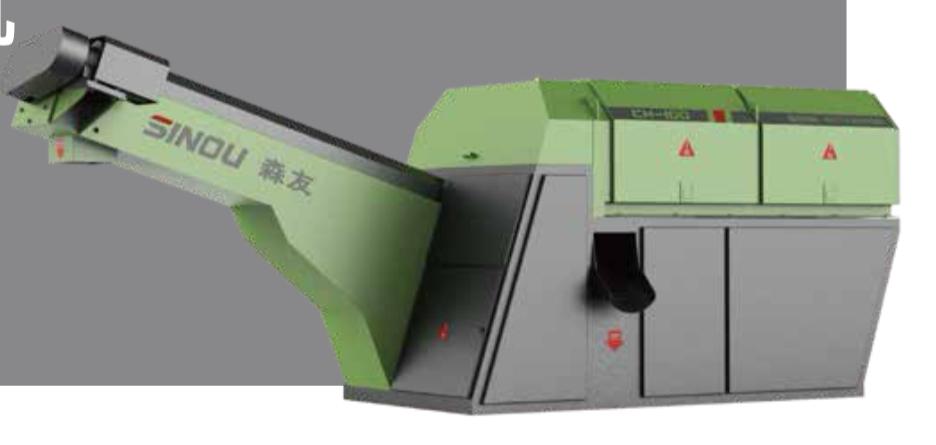
Many contractors only look at the per-yard purchase price of concrete, but when leftover material gets dumped, the real cost per yard can easily double. The truck returns to the plant requiring a full washout, which means water treatment, cleaning labor, and if the mix has already started to set, breaking and hauling the hardened waste to a landfill. Some landfills charge extra for alkaline concrete waste because it can damage their liners. Add it all up, and a single 6-yard leftover load can quietly burn $400 to $800.
The environmental bill is just as steep. Unused concrete is not an inert pile of rock. When it meets water, it leaches a high-pH runoff that can scorch plant roots and contaminate stormwater. Many municipalities now impose strict rules on construction debris, and if a site gets caught dumping leftover mix illegally, the fines far exceed the value of the material itself. Worse, over-ordering often means extra truck trips later to cover other sections of the same job, doubling the carbon footprint of delivery.
Cutting waste does not require expensive machinery. Some crews use portable reclaimers to turn excess mix into curbs, blocks, or temporary pads right on site. Others partner with precast yards so returning trucks can drop leftover mud into steel forms before heading back. These steps turn “garbage” into an accountable asset while removing disposal fees and potential penalties. The real waste is not the half-loaded truck—it is ignoring how every dumped batch quietly eats into the bottom line.
Your Water Bill Is Hiding a Recycling Opportunity
Most people glance at their water bill, pay it, and forget it. Yet tucked inside the monthly charges, there's a detail that rarely gets attention: the sewer volume fee, often calculated from your metered water use. That number isn't just a cost—it's a signal. When you water the garden, wash the car, or run a half-empty dishwasher, you're also paying to treat that water as waste. The gap between what you actually consume and what disappears down the drain is a quiet recycling opportunity that most households overlook.
Consider the rinse water from your kitchen sink or the leftover water in a pet bowl. Instead of letting it swirl into the sewer, that lightly used water can be captured and reused for flushing toilets or soaking outdoor plants. Some utilities even bill wastewater separately from potable supply, meaning every gallon you divert is a gallon you don't pay to treat. The bill doesn't spell this out, but the math is there: lower your sewer volume, lower your recurring cost. It's a modest shift in habit that turns an ordinary utility statement into a monthly nudge toward greywater reuse.
The real hitch is that many homes weren't built for water diversion—no collection tank, no separate plumbing. But before assuming it's too complicated, check the fine print on your bill. Some districts offer credits for submetered outdoor use or even rebates for rain barrels. By reading the line items with fresh eyes, you may find a built-in incentive to start small: a bucket in the shower, a basin under the colander. The opportunity isn't in the total due; it's in the story the usage tier tells about all the water you never needed to throw away.
Why Reclaimer Size Should Match Truck Volume, Not Just Plant Size
Sizing a reclaimer purely around the plant's rated output or the overall scale of a job often leads to mismatched equipment. What actually governs the pace on site is how quickly trucks can cycle through and carry away the milled or reclaimed material. If the reclaimer's discharge rate exceeds what the truck fleet can handle, the machine ends up stopping and starting, burning fuel while waiting, and the theoretical capacity never becomes real production.
Matching the reclaimer size to truck volume means thinking about box capacity, number of trucks, and haul distance. A common misstep is running a large reclaimer with small or too few trucks: each truck fills in a matter of minutes, but the round trip to the dump site might take far longer, leaving the reclaimer idle. The reverse is just as wasteful — an undersized reclaimer creates a line of waiting trucks and slows the whole paving train.
The practical approach is to work backward from the haul cycle. Take the truck volume available per hour and choose a reclaimer whose output sits slightly below that rate, so the loading area stays clear and the machine rarely has to pause. This keeps the operation flowing at the speed of the trucks, which is where the real cost per ton is decided.
How to Spot a Reclaimer That’s Losing Its Edge
Watch the milled surface behind the drum. A reclaimer that’s losing its edge starts leaving a ragged, uneven texture with visible ridges between passes. You’ll spot torn chunks instead of clean, uniform cuts, and the fines content in the reclaimed material climbs while larger aggregate stays unbroken. That mismatch usually means the cutting bits have rounded off and are beating the surface rather than slicing it.
On the operator’s end, the machine gets talkative. Vibration through the platform becomes more pronounced, especially at the outer edges of the drum, and the engine hunts under steady load because worn holders and missing teeth force the rotor to work unevenly. If you have to back off travel speed to hold depth or keep the grade from drifting, the edge has already gone past its useful window.
Finally, look at wear patterns when you shut down. Outer bits should wear at roughly the same rate as center ones; if the shoulders are chewed down while the middle still looks fresh, the drum is floating or the scraper blade isn’t doing its job. Frequent single-tooth replacements, a heavy buildup of compacted fines on the drum face, and a drop in production even at the same settings are all signs the reclaimer is no longer cutting with the front edge but pushing with the body.
Counting the Savings: A Month of Concrete Recycling in Numbers
Over a four-week period, a mid-sized recycling yard processed just over 1,800 tons of concrete from demolition sites. The incoming material ranged from broken curbs and sidewalk slabs to large foundation chunks, all of which were crushed and screened into reusable aggregate. Every load was weighed on entry and again after processing, with the average loss to dust and moisture sitting around four percent.
The savings showed up in two clear places. First, disposal costs dropped by roughly $28 per ton compared to hauling the same debris to a landfill, which translates to a little over $50,000 kept in the project budget for the month. Second, the recycled aggregate produced on site replaced nearly 1,400 tons of virgin crushed stone, cutting material purchases by almost $19,000. These figures don't include reduced fuel use from shorter hauling distances or the lower wear on public roads.
Breaking it down further, the recycling operation ran on one primary crusher, two loaders, and a screening plant that together burned about 2,100 gallons of diesel. Even after subtracting fuel, labor, and routine maintenance, the net benefit came to $61,200. That is a conservative number, since it ignores the avoided landfill fees for contaminated loads and the value of donating leftover fines for use as pipe bedding on nearby utility jobs.
FAQ
It takes the leftover wet concrete from truck washout and spins it in a drum. As it rotates, the stone and sand separate from the cement slurry. You end up with clean aggregate and reusable water instead of a pile of hardened waste.
It depends on how much concrete you handle and what local disposal fees look like, but plenty of plants recover enough aggregate and water to cut material costs by a noticeable margin. Some operators see the equipment pay for itself within a couple of years just from avoided washout hauling.
Not really. While big plants benefit quickly, smaller contractors who pour daily can also justify a compact unit. Skip rental, disposal charges, and replacement aggregate add up fast, so even mid-sized jobsites can come out ahead.
The water carries fine cement particles and is usually kept in a settling tank. From there it can be pumped back for washing trucks or batching new concrete, which cuts down on fresh water consumption and reduces dirty runoff.
In most cases yes, when you blend it with virgin aggregate in a sensible ratio. The washing process removes enough cement paste to keep the stone and sand usable for standard mixes. Some high-spec projects may limit the percentage, but it generally performs well.
It is not maintenance-free, but the list is short. Keep the spray bars clear, check drum wear and drive belts, and make sure sediment is not building up where it shouldn't. Regular lubrication and a quick weekly inspection prevent most headaches.
Yes, a lot of places have tightened restrictions on concrete washout going into drains or landfills. Having a reclaimer on site helps you stay compliant with stormwater and waste regulations while also lowering your disposal bill.
It keeps concrete waste out of landfills, reduces the need for fresh water, and cuts the number of disposal truck trips. That makes it easier to meet green building requirements and shows clients you are serious about reducing site waste.
Conclusion
Inside a rotary concrete reclaimer, the drum’s slow tumble does more than rinse out mixer trucks. It separates sand, stone, and cement slurry so clean aggregate drops back into your stockpile and wash water gets reused instead of flowing into settling ponds. That quiet process hides a brutal truth: every load of leftover concrete that goes unclaimed isn’t just wasted material—it’s a disposal fee, a lost batch of aggregate, and clean water poured down the drain. Most plants overlook the water bill until they realize reclaiming washout water can cut intake by thousands of gallons a week. And sizing matters more than people admit. A reclaimer matched to actual truck volume, not just plant capacity, avoids bottlenecks and lets drivers wash out faster without waiting in line.
A reclaimer that’s losing its edge shows up in subtle ways: cloudy recycled water, aggregate coming out with cement still stuck to it, longer cycle times, or a rising sludge pile that won’t dewater. Catching those signs early keeps recovery rates high. The numbers make the case plainly. One month of reclaiming can turn several tons of returned concrete into reusable sand and stone, while recycled water offsets a meaningful chunk of the fresh water bill. Add in reduced landfill or dumping charges and it’s not unusual to see savings that cover the service cost within the first year. Rotary reclaimer services do the heavy lifting quietly—what you get back is cleaner yards, fewer haul-off trips, and a recycling loop that actually pays for itself.
Contact Us
Contact Person: HaiYan
Email: [email protected]
Tel/WhatsApp: +86 18957325588
Website: https://www.senyoubeton.com/