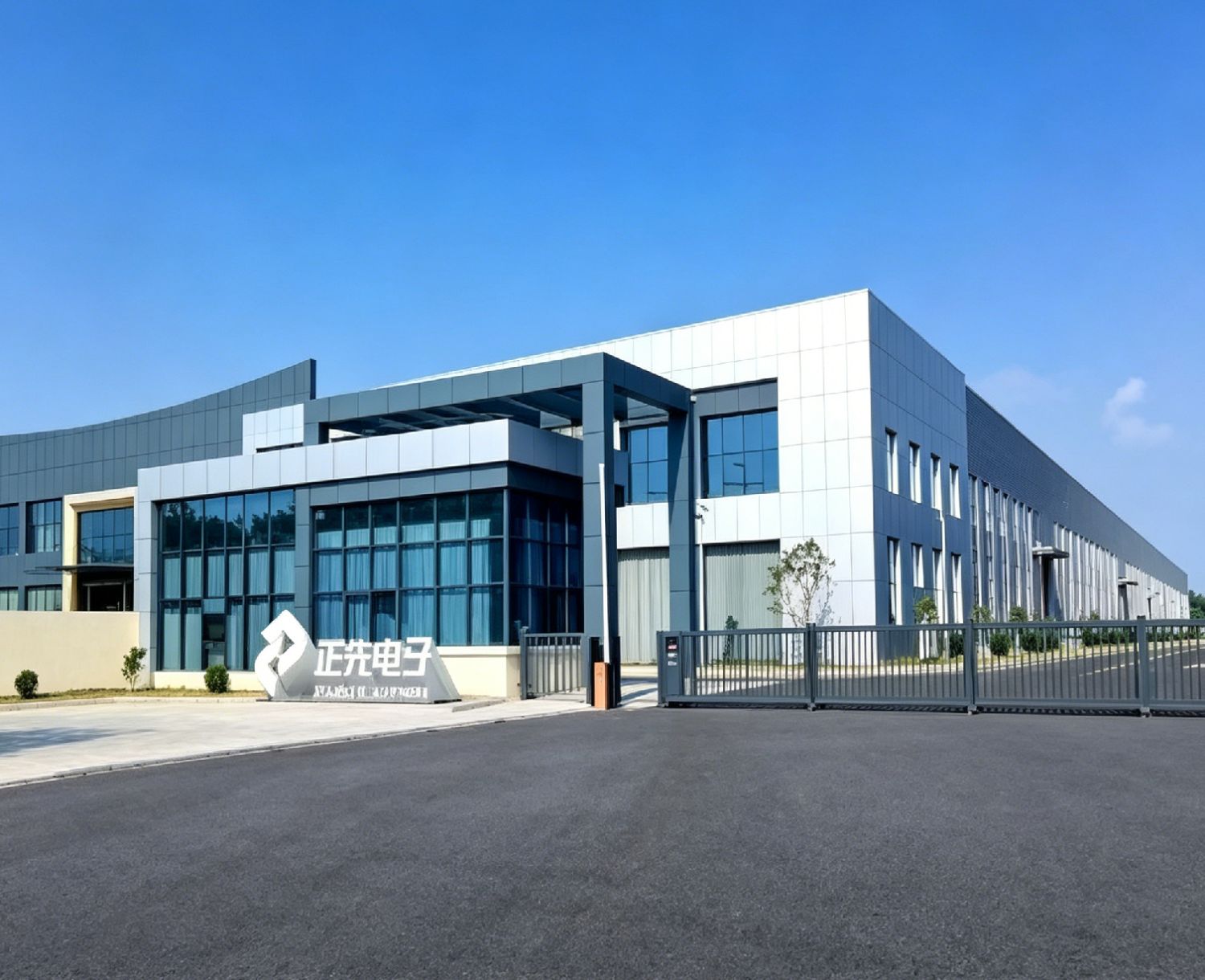

Solar Charging Benches Factory Crafting Sustainable Urban Infrastructure
2026-08-24
Imagine a city where every park bench does more than just sit there—it powers your phone, lights up the night, and quietly fights climate change. That’s the vision driving zemso, a solar charging benches factory redefining urban infrastructure. As cities struggle with aging grids and rising energy demands, these smart benches offer a practical, sustainable fix that blends seamlessly into public spaces. But how exactly do they work, and what makes zemso’s approach different? Read on to discover the design, technology, and real-world impact behind this quiet revolution in street furniture.
Morning Shift: How Solar Bench Frames Come Together
The morning shift kicks off with the raw aluminum extrusions being checked against the day's cutting schedule. Each length is measured twice before the saw blade touches the metal, because even a two-millimeter drift can throw off the entire bench frame later. The team works in pairs: one feeds the stock while the other monitors the cut angle and clears the offcuts. It's not glamorous, but it's where every stable bench begins.
Once the pieces are cut, they move to the jig tables for tack welding. Here the frame starts to take recognizable shape — the long seat supports, the angled backrest rails, the crossbars that will hold the solar panel housing. The welders don't rush; they walk around the jig, checking that corners sit flush and that the diagonal measurements match. A solar bench carries extra weight up top, so the frame's squareness is non-negotiable.
By the time the mid-morning break rolls around, several frames are already standing in the grinding area. Sparks fly as rough welds are dressed down and sharp edges are rounded off. Then each frame gets a quick visual inspection before heading to the powder coating line. The morning shift ends with a handoff note for the next crew — what was built, what needs rework, and which jig needs a slight adjustment. It's a steady rhythm, but every step is deliberate.
The Soldering Stations Behind Every USB Port
A single USB port hides four to nine electrical contacts, each one demanding a solder joint small enough to sit under a grain of rice. Soldering stations built for this work don't rely on a hobby iron and a steady hand alone. They combine temperature-controlled tips, nitrogen-purged reflow zones, and microscope-assisted placement to keep the tin from bridging between pins that sit less than a millimeter apart.
On most automated lines, the initial soldering happens in a reflow oven, but the real craft shows up in rework cells. There, operators use hot-air stations and fine-tip irons to repair cold joints, remove excess solder, or rescue boards that a camera inspection flagged. The station's job isn't just melting wire. It's maintaining a thermal profile that won't warp the plastic tongue or lift a copper pad, which is why many setups include real-time readouts for tip temperature, airflow, and dwell time.
That constant calibration is what quietly separates a port that lasts ten thousand insertions from one that flakes out after a few months. Every USB socket on a desk, in a car, or on a charger ribbon passes through this kind of soldering discipline, even if the final product gives no hint of the controlled heat and quick hands behind it.
Testing Benches Against Rain, Heat, and Heavy Use
To see how a bench holds up under real weather, we don't just leave it outside and hope. Rain tests run in cycles: a fine mist that soaks into joints, then a heavy downpour that pools on flat surfaces, followed by a drying phase with warm air. This repeated wet-dry rhythm exposes weak spots in coatings and fasteners far faster than a single storm ever would.
Heat is treated as its own slow pressure. Benches sit under UV lamps that mimic years of direct sun in a few weeks, while surface temperatures climb past what a parked car reaches in July. We watch for fading, cracking, and the kind of subtle softening that lets a metal edge become too hot to touch. Materials that survive this without warping get moved to the next stage.
For heavy use, the focus shifts to repetition. A weighted drum rolls back and forth across the seat thousands of times, simulating people sitting, shifting, and standing up. Joints are checked for looseness after each cycle, and any squeak or flex is logged. The goal is to find what breaks after year five of daily traffic, not year one.
Choosing Recycled Aluminum Without Sacrificing Strength
Recycled aluminum often gets a bad rap for being weaker than primary metal, but that assumption ignores how much control you actually have over the final properties. The key is to stop thinking about “recycled” as a single material and start looking at the specific alloy family and the scrap sorting behind it. For structural parts, stick with 6xxx series alloys like 6061 or 6063, which hold their tensile strength well even with high post-consumer content. The real differentiator is the supplier’s ability to separate wrought from cast scrap and minimize tramp elements like iron and zinc. Ask for a melt sheet, not just a recycled content percentage, and you’ll see exactly where the strength comes from.
Processing matters just as much as chemistry. A recycled billet that goes through proper homogenization and controlled cooling can match the grain structure of primary material, which is what ultimately determines yield and fatigue resistance. If you’re extruding or forging, pay close attention to the quench rate after solution heat treatment—recycled aluminum with slightly higher impurity levels can be more quench-sensitive, so you might need to adjust your press speed or use a water spray instead of air cooling. Running a small batch of tensile bars before full production is cheap insurance, and it usually shows that the recycled option is within 3-5% of primary specs.
Finally, don’t settle for a generic “recycled aluminum” claim on a data sheet. Specify the minimum mechanical properties you need—yield strength, elongation, and hardness—and make the supplier certify those numbers on every lot. Some mills now offer closed-loop recycling programs where they take back your own scrap and remelt it into the same alloy, which practically eliminates the strength variation people fear. That kind of traceability costs a bit more, but it beats switching back to primary metal just because an early trial with poorly sorted scrap left a bad impression.
From Factory Specs to Real-World Sidewalks
Lab measurements rarely survive first contact with a cracked curb. A shoe can post excellent energy return and stack height on a spec sheet, yet the moment it meets a real sidewalk—uneven pavers, unexpected slopes, tree roots buckling the concrete—those numbers start to matter less than how the midsole adapts to off-angle landings. Factory testing often uses flat, controlled surfaces and linear motion. Real walking is messy: you step sideways to avoid a puddle, pivot on a loose stone, or absorb the jolt of a dropped curb. The gap between spec and street is where comfort and stability are actually earned.
Grip claims face the same reality. A rubber compound might score well on a standardized wet tile test, but sidewalks bring a rotating cast of surfaces: worn concrete polished by decades of foot traffic, moss-slicked bricks after rain, steel utility covers, and the occasional patch of spilled coffee. Tread patterns designed for laboratory water evacuation don't always clear slush or fine grit. What feels secure on a showroom floor can turn sketchy on a downhill ramp at dusk. The only way to know is to put serious miles on real pavement—not a treadmill or a showroom loop.
Durability, too, shifts once you leave the factory floor. Machines can simulate thousands of flex cycles, but they can't replicate the scuffs from a shopping cart wheel, the abrasion of sandy concrete, or the repeated friction of a toe dragging on an uneven joint. Factory specs give a baseline. Real-world sidewalks write the review. If a product can't hold its shape, cushioning, and traction through a month of ordinary city walking, the lab numbers don't count for much.
When a Bench Does More Than Just Sit There
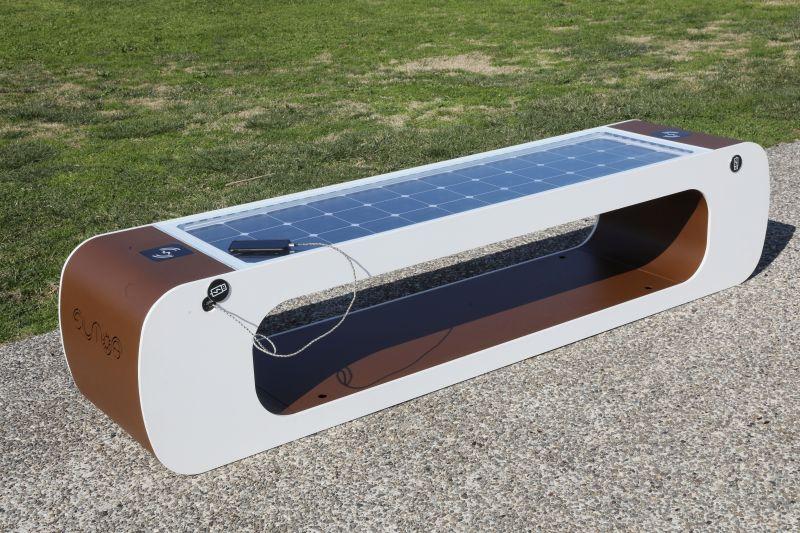
Most benches ask one thing of you: sit down, stay a while, then move on. But a growing number of designers are treating the humble bench as a small piece of infrastructure, blending seating with storage, lighting, and even planting space. Instead of a single slab on metal legs, these pieces often feel more like compact outdoor rooms. You might lift the seat to find a dry compartment for bike tools, or notice a slim solar strip along the backrest that charges a phone while you wait for the bus.
Some versions fold a workspace into the armrest, or tuck a bike repair stand into one end, turning a rest stop into a genuinely useful pit stop. Others use slatted gaps to hold planters, letting greenery grow up and through the structure so the bench becomes part of the garden rather than an object placed in it. The best designs don't advertise every trick. They just read as a nice place to sit until you realize the edge is exactly the right height to rest a grocery bag, or the hollow beneath the seat swallows a folded umbrella.
That shift from single-purpose seating to a quieter kind of multi-tool matters in tight urban spaces. A well-made bench can anchor a pocket park, offer a dry spot for a delivery rider, or give neighbors a reason to pause in front of a building. When the object under you does more than just sit there, it changes how people use the whole street.
FAQ
We build them with a modular frame that lets cities swap out damaged panels or batteries in minutes, not days. The seating surface uses a slip-resistant recycled composite that stays cooler in direct sun than traditional metal or wood.
Each bench pairs high-efficiency monocrystalline panels with a buffer battery sized for three to five days of typical use. Even under heavy cloud cover, the system trickle-charges and prioritizes USB ports over internal telemetry to keep phones topping up.
The outer shell is powder-coated galvanized steel with tamper-resistant fasteners. We also recess the charging ports behind a spring-loaded cover so dirt and attempts at prying don't disable them quickly.
Most upkeep is just cleaning the panel surface every few weeks and checking the battery health through a simple indicator light. We ship replacement modules pre-wired, so a parks crew can swap one without an electrician.
They run fully off-grid. The solar array and storage are sized to cover the USB and wireless charging loads year-round. If a city wants to add lighting or Wi-Fi later, we can add a second battery tray without rewiring the bench.
We use lithium iron phosphate batteries that last roughly twice as long as typical lithium-ion packs, and we take back old modules for recycling. The aluminum and steel frame is designed for disassembly, so nearly 90% of the bench by weight can be recovered.
The bench arrives mostly assembled on a pallet. The main requirement is a level concrete pad or compacted gravel base. Anchoring takes four bolts, and the panel angle is pre-set for the latitude range we ship to, so there's no field adjustment needed.
Yes, the same power bus can drive low-voltage landscape lighting, air quality sensors, or a small Wi-Fi repeater. We keep the ports standardized, so integrators can add hardware without drilling into the bench or affecting the waterproofing.
Conclusion
At the morning shift, the factory floor has a rhythm that feels more like a machine shop than a furniture maker. Solar bench frames come together from recycled aluminum billets, each piece cut, welded, and checked against a jig before it moves forward. Workers at the soldering stations attach USB ports with a patience that borders on obsessive, because a weak joint here means a dead charging spot under someone's weight later. Further down, finished benches roll into test rooms that spray them with heavy rain, bake them under heat lamps, and drop weighted bags onto the seats. The point is not just to survive these trials, but to keep working through years of real-world abuse without a single exposed wire or cracked panel.
Once the benches ship from the factory, they stop being engineering specs and start being street furniture. Recycled aluminum was picked for a reason: it resists corrosion without extra chemical coatings, so the frame keeps its strength while carrying a much lower environmental footprint. On real sidewalks, these benches do more than offer a place to sit. They turn into small charging hubs for commuters, a dry spot to wait, and a visible reminder that public infrastructure can generate its own power. In the end, a bench that charges a phone is still a bench, but it is also a quiet test of whether everyday objects can be made to serve both people and the planet without one goal undercutting the other.
Contact Us
Contact Person: Leo
Email: [email protected]
Tel/WhatsApp: +86 18901905138
Website: https://www.zemsogroup.com/