

Solar Column Innovations: Leading the Way for Chinese Solar Companies
2026-01-20
In the ever-evolving landscape of renewable energy, solar technology stands as a beacon of innovation and progress. For Chinese solar companies, breakthroughs in solar column designs are not just engineering feats—they are transformative solutions that promise to reshape the global energy market. At the forefront of this wave is Energet Solar, a brand that embodies forward-thinking excellence. This blog delves into how cutting-edge solar column innovations are empowering businesses to lead the charge, and why Energet Solar is a name you’ll want to watch. Ready to uncover the secrets behind these game-changing advancements? Let’s explore.
Revolutionary Solar Column Technologies Transforming China's Energy Sector
As China commits to its ambitious goal of reaching peak carbon emissions before 2030 and achieving carbon neutrality by 2060, solar column technologies are emerging as game-changers in the nation's energy landscape. These innovative structures, which integrate solar panels into vertical columns rather than traditional horizontal arrays, are being deployed in a variety of settings—from urban centers to remote rural areas. By maximizing space efficiency, solar columns enable energy generation where flat land is scarce, such as alongside highways, in dense cities, and on agricultural land without compromising crop yields. This adaptability is particularly crucial in China, where rapid urbanization and agricultural demands create competing land-use pressures, making solar columns a smart solution for sustainable energy expansion.
What sets these solar columns apart from conventional systems is their enhanced performance due to advanced materials and design. They utilize bifacial panels that capture sunlight from both sides, increasing energy output by up to 20% compared to traditional setups. Moreover, integrated tracking systems allow the columns to adjust their tilt throughout the day, optimizing exposure to the sun and boosting efficiency even in low-light conditions. Recent pilot projects in provinces like Sichuan and Jiangsu have demonstrated significant reductions in energy costs and grid strain, with some installations generating enough power to support entire small communities. This technological leap not only supports China's green transition but also positions the country as a leader in renewable innovation, attracting significant investment and fostering local job creation in the clean energy sector.
Looking ahead, the widespread adoption of solar column technologies is poised to transform China's energy infrastructure in profound ways. By integrating these systems into smart grids and pairing them with energy storage solutions, they offer a reliable, decentralized power source that enhances grid stability and reduces dependence on fossil fuels. In regions like the Gobi Desert and the Tibetan Plateau, where harsh climates challenge traditional solar farms, solar columns provide a resilient alternative that withstands extreme weather. As these technologies become more cost-effective and scalable, they are expected to play a pivotal role in meeting China's growing energy demands sustainably, contributing to a cleaner environment and a more secure energy future for the nation.
Cutting-Edge Designs Driving Efficiency in Chinese Solar Installations
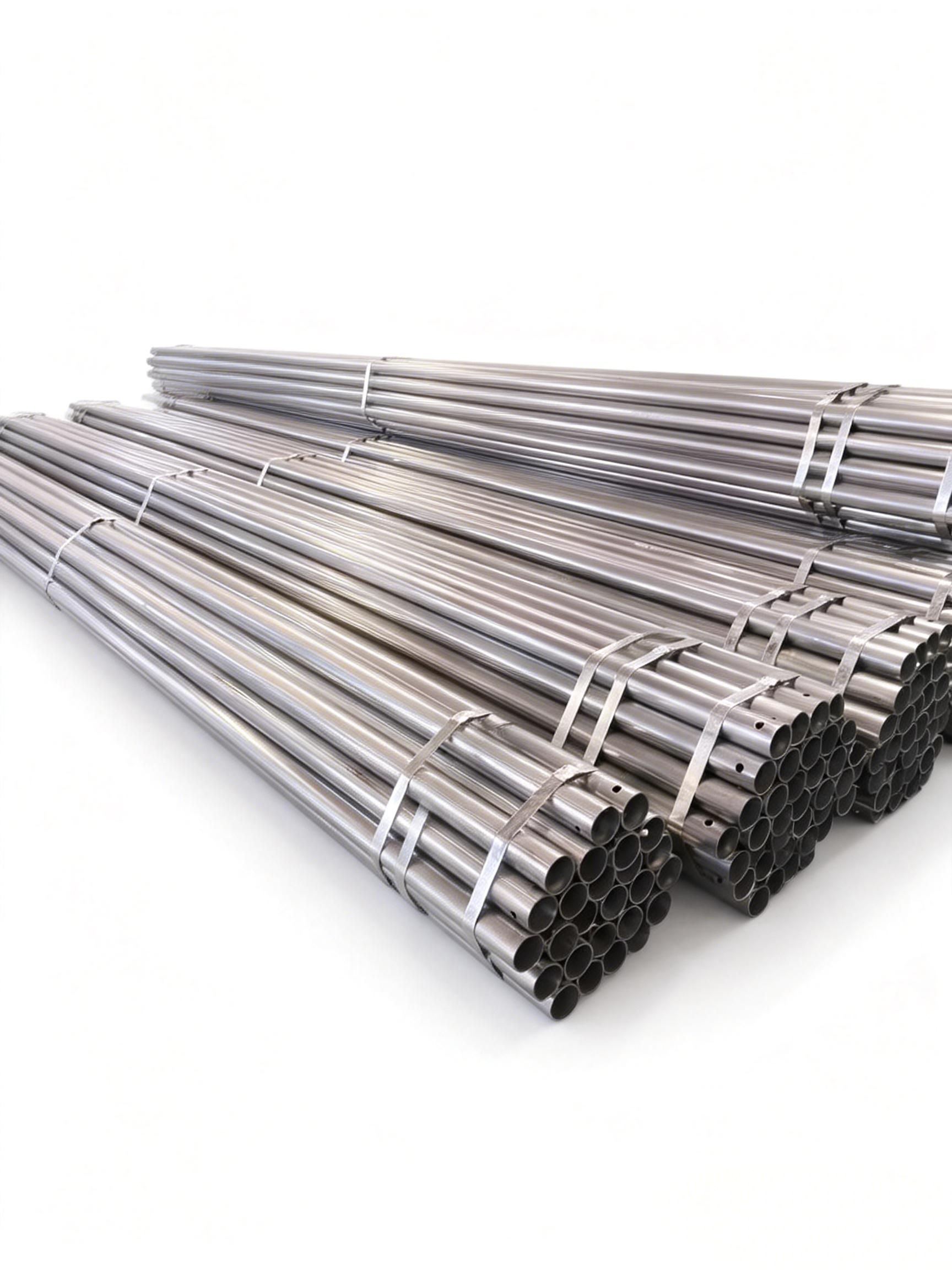
In recent years, Chinese solar installations have embraced cutting-edge designs that significantly boost efficiency, setting new benchmarks in the renewable energy sector. Innovations such as bifacial solar panels, which capture sunlight from both sides to increase energy yield, and advanced tracking systems that follow the sun's path throughout the day, are becoming increasingly common. These technologies not only maximize power generation but also optimize land use, making solar farms more productive even in limited spaces. Companies in China are investing heavily in research to fine-tune these designs, ensuring they perform reliably under diverse environmental conditions, from high-altitude regions to urban rooftops.
Beyond hardware improvements, the integration of smart technologies is transforming how solar installations operate and maintain efficiency. AI-driven monitoring systems are being deployed to analyze real-time data on panel performance, weather patterns, and energy output, enabling predictive maintenance and swift issue resolution. This proactive approach reduces downtime and extends the lifespan of equipment, contributing to overall cost savings. Moreover, these systems allow for remote management, facilitating efficient oversight of large-scale projects across vast geographical areas, which is crucial for China's ambitious solar expansion goals.
To stand out in a competitive market, Chinese solar projects are also focusing on aesthetic and functional integration. For instance, floating solar farms on reservoirs combine energy production with water conservation, reducing evaporation while generating power. In urban settings, building-integrated photovoltaics (BIPV) replace traditional materials with solar-active components, blending seamlessly into architecture. These creative solutions not only enhance efficiency but also address local challenges like land scarcity and environmental preservation, showcasing how thoughtful design can drive innovation beyond mere technical specs.
How Innovative Solar Columns Boost China's Renewable Adoption
Across China's urban landscapes, a new breed of solar energy infrastructure is quietly taking root—solar columns that blend seamlessly with public spaces while harvesting clean power. These sleek, vertical installations, often integrated into streetlights or architectural elements, circumvent the land-use challenges that have historically slowed large-scale solar farms in densely populated regions.
By empowering cities to generate electricity locally, solar columns reduce transmission losses and grid strain, a critical advantage for China as it pushes toward its 2060 carbon neutrality goal. Their modular design allows for rapid deployment in parks, campuses, and transportation hubs, demonstrating that renewable adoption isn't confined to remote fields.
Beyond mere functionality, these columns serve as tangible symbols of green progress, educating the public about sustainable living and fostering community buy-in. As China scales this technology, it sets a precedent for how innovation in form can accelerate the transition away from fossil fuels, one streetlight at a time.
Unique Approaches Setting Chinese Solar Firms Apart Globally
Chinese solar companies are reshaping global markets by adopting innovative business models that extend beyond manufacturing to project development and financing. Unlike traditional Western competitors, firms like JinkoSolar and LONGi Green Energy focus on vertical integration, controlling everything from silicon wafer production to installation services. This approach enhances cost efficiency and quality control, enabling them to offer competitive pricing while maintaining high product standards, which appeals to markets in Europe and the U.S. facing energy transition pressures.
Their global differentiation is further evident in aggressive investment in research and development, leading to breakthroughs in photovoltaic efficiency and energy storage solutions. By leveraging local supply chains and government support, these firms quickly adapt to new technologies like bifacial panels and thin-film solar cells, outpacing rivals in innovation cycles. This proactive stance not only secures market share but also positions China as a leader in sustainable energy advancements, influencing global policy discussions on renewable energy adoption.
Collaboration with international partners and tailored market strategies distinguish Chinese solar firms on the world stage. They engage in joint ventures and technology transfer agreements, helping them navigate regulatory hurdles and cultural differences in diverse regions. This cooperative edge, combined with a focus on customized solutions for specific climates and energy needs, fosters trust and long-term relationships with clients worldwide, ensuring that Chinese firms remain at the forefront of the solar industry's evolution.
Advancements in Solar Column Engineering for Sustainable Growth
In recent years, solar column engineering has seen remarkable innovations that are reshaping how we harness renewable energy for long-term sustainability. Researchers have developed advanced materials, like perovskite-based solar cells, which offer higher efficiency rates and lower production costs compared to traditional silicon panels. These advancements are not just technical feats; they represent a crucial step toward making solar power more accessible and scalable, helping communities worldwide reduce their carbon footprints and achieve energy independence.
Beyond materials, smart design approaches are playing a pivotal role in this field. Engineers are integrating solar columns into urban infrastructure, such as buildings and transportation networks, to maximize energy capture in space-constrained environments. For instance, bifacial solar panels that absorb light from both sides, combined with tracking systems that follow the sun's path, are boosting overall output. This integration not only enhances energy yields but also promotes a circular economy by repurposing existing structures, demonstrating how innovation can drive sustainable growth without sacrificing practicality.
Looking forward, the convergence of solar column engineering with technologies like artificial intelligence and energy storage solutions is opening new frontiers. AI-driven optimization can predict weather patterns and adjust energy distribution in real-time, while improved battery systems ensure a steady power supply even during low-sunlight periods. These synergies are vital for creating resilient, self-sustaining energy grids that support economic development while preserving natural resources. Ultimately, these strides in solar technology are paving the way for a cleaner, more sustainable future, where energy needs are met without compromising the planet's health.
Empowering Chinese Solar Companies with Next-Generation Solutions
Chinese solar firms are stepping into a transformative era, driven by cutting-edge innovations that redefine how energy is harnessed and distributed. From advanced perovskite cells boosting efficiency beyond traditional limits to smart grid systems integrating AI for real-time energy management, these next-generation solutions are not just upgrades—they're game-changers. Companies are leveraging these technologies to overcome challenges like intermittency and storage, positioning China at the forefront of the global renewable energy shift.
Collaboration with tech startups and research institutes is fueling this empowerment, enabling solar companies to adopt modular designs and IoT-enabled monitoring tools. This synergy enhances operational flexibility and reduces costs, making solar projects more scalable and resilient against market fluctuations. By embracing such integrative approaches, Chinese enterprises are setting new benchmarks in sustainability and economic viability.
Beyond technical advancements, these solutions foster community engagement and policy alignment, supporting China's green initiatives. With tailored energy storage systems and decentralized microgrids, solar companies are empowering rural and urban areas alike, ensuring reliable access while minimizing environmental impact. This holistic empowerment underscores a commitment to a cleaner, more interconnected energy future.
FAQ
Solar Column Innovations refer to modern approaches in vertical-axis solar panel systems, offering higher efficiency and adaptability for urban and rural installations.
They provide Chinese manufacturers with competitive advantages by reducing material costs and increasing energy output, allowing them to lead in global solar technology markets.
Their ability to integrate into dense urban environments without large land areas sets them apart, supporting China's green energy goals more effectively than traditional setups.
Yes, initial costs and technical maintenance can be hurdles, but Chinese companies are overcoming these through R&D investments and scalable production methods.
It strengthens China's position as a solar leader by exporting innovative systems, boosting international partnerships, and setting new industry standards worldwide.
Upcoming enhancements include AI-driven optimization and recyclable materials, with Chinese firms actively developing these to enhance sustainability and performance.
Absolutely, their compact design makes them ideal for rooftops and small spaces, enabling households to adopt solar power more easily and efficiently.
By increasing solar adoption rates and reducing reliance on fossil fuels, they help China meet its carbon neutrality targets and promote cleaner energy nationwide.
Conclusion
In the dynamic landscape of renewable energy, China's solar industry is undergoing a profound transformation, spearheaded by revolutionary solar column technologies. These innovations are fundamentally altering the energy sector, enhancing the efficiency and scalability of installations across the nation. By integrating cutting-edge designs, Chinese companies are achieving unprecedented levels of performance, making solar power more accessible and reliable. This technological leap not only boosts renewable adoption by addressing key challenges like space optimization and durability but also sets Chinese firms apart globally through unique approaches that prioritize innovation and sustainability. As these advancements in solar column engineering continue to evolve, they empower companies with next-generation solutions, driving sustainable growth and solidifying China's position as a leader in the global solar market.
Moreover, the synergy between innovative solar columns and China's renewable goals is creating a ripple effect of positive impact. These technologies enable more efficient energy capture and storage, reducing costs and environmental footprints. By fostering a culture of continuous improvement and adaptation, Chinese solar enterprises are not just following trends but actively shaping the future of energy. This proactive stance ensures that the sector remains resilient and competitive, attracting investment and fostering collaboration. Ultimately, the focus on solar column innovations is not merely about technological prowess but about building a greener, more sustainable economy, where Chinese companies lead by example, inspiring global change through practical, forward-thinking solutions.
Contact Us
Contact Person: Simon
Email: [email protected]
Tel/WhatsApp: 8613672181100
Website: https://energetsolar.com/