
The Boys Costume Store: Your Ultimate Guide to Iconic Character Looks and Cosplay Essentials
2026-10-19
If you've ever found yourself binge-watching The Boys and thinking, “I need that Homelander cape in my life,” you're not alone. The show's gritty, subversive take on superheroes has turned its characters into instant cosplay icons – from Butcher's weathered trench coat to Starlight's glowing suit. But putting together a convincing look isn't just about grabbing any old costume off the rack. That's where CCosplay comes in, offering the kind of detailed, screen-accurate pieces that separate a casual fan from a true Supe. In this guide, we'll break down the essential elements for nailing the most iconic The Boys looks, plus the cosplay accessories that make all the difference – whether you're heading to a con or just want to terrorize your neighborhood watch.
Homelander's Cape Flow and Crest Placement: Small Details That Sell the Look
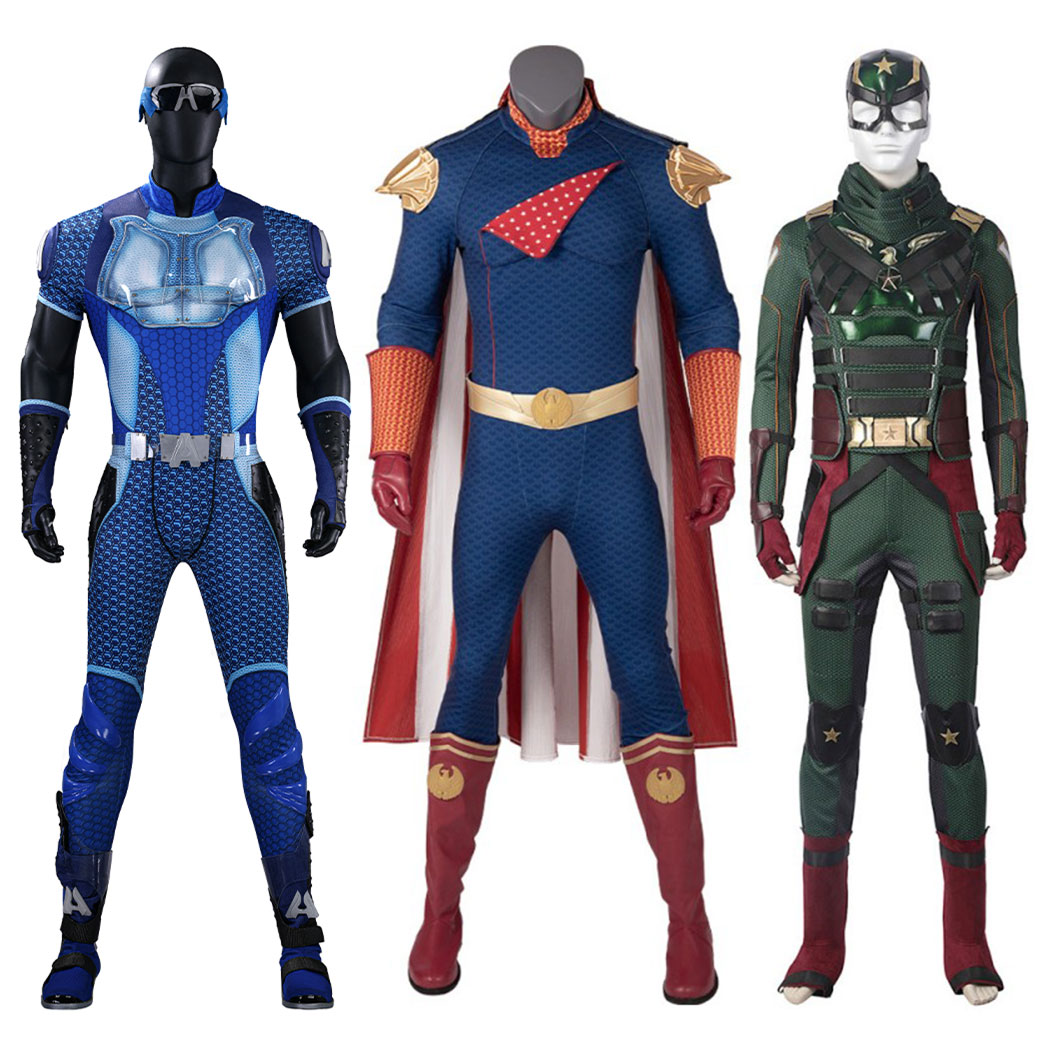
The cape doesn’t just hang there—it snaps and rolls with every turn, catching wind even when Homelander stands still. That’s not an accident. The fabric is cut with a slight bias, so the edges lift away from his shoulders instead of lying flat. When he walks into a room, the flag drapes behind him in controlled waves, making his silhouette read as larger and more threatening than the actual suit would allow on its own.
Crest placement does the heavy lifting for the chest. Instead of centering the eagle low like a standard emblem, the costume team pushes it slightly higher and cinches the chest panel so the wings sit right over the pectoral line. This draws your eye upward, makes his posture look straighter, and gives that gold detailing a chance to catch the light every time he turns toward camera. Paired with the cape’s movement, the whole look stays just unstable enough to feel dangerous.
Butcher's Signature Shirt: Finding the Right Hawaiian Print and Distressing It
Picking the right Hawaiian print comes down to scale and palette. Butcher’s look leans on tighter, busier motifs—think palm fronds, hibiscus clusters, or tiki faces packed close together—rather than sparse, oversized florals. The color story matters more than people expect: muted backgrounds like faded black, olive, or tobacco brown let the shirt read tough instead of touristy. Avoid bright white bases or neon accents; they fight against the worn-in, working-class grit the shirt is supposed to carry. Cotton or a cotton-rayon blend with a slightly rough hand works best because it will take distressing more convincingly than slick poly blends.
Distressing is what separates a costume piece from something that looks lived-in. Start with the collar and cuffs—rub medium-grit sandpaper along the edges until the fabric starts to fray and soften, focusing on areas that would naturally wear from sweat and friction. A cheese grater dragged lightly across the chest and lower back creates small, irregular pills without tearing holes. For fading, mix one part bleach with three parts water in a spray bottle, mist the shirt from a distance, then let it dry in direct sun. Repeat once or twice, but don’t overdo it; the goal is uneven, salt-stained fading, not a uniform wash. Finally, throw the shirt in the dryer with a few heavy washers or a pair of old sneakers to knock down any remaining stiffness.
The trick is knowing when to stop. Too much sanding and the fabric thins out in patches that look like moth damage; too much bleach and the print turns muddy and pink. Butcher’s shirt should feel like it survived a decade of bar fights and beach bonfires, not a chemical accident. After distressing, wear it hard for a week—sleep in it, work in it, spill coffee on it—and let the creases set in naturally. That final layer of real-world grime is what makes the print and the damage read as one cohesive, ugly-beautiful whole.
Starlight's Suit: Mixing Gold Accents with a Stage-Ready Fit
The moment the spotlight hits Starlight’s suit, the gold accents do more than shimmer—they pull the whole silhouette together. It’s not a loud, flashy metallic; instead, the thread catches light in a way that feels deliberate. The lapels carry a thin line of gold piping, and the cuff buttons are custom-cast to echo the same warm tone. These small choices keep the stage presence polished without tipping into costume territory.
The fit itself leans toward performance-ready. The shoulders sit close, with just enough room to move through a full stage stride. The waist is nipped but not restrictive, which matters when you’re belting a chorus under hot lights. A subtle stretch in the fabric lets the jacket follow the body rather than fight it. Even the back vent opens exactly where it should, so the silhouette stays sharp whether standing still or mid-turn.
What ties it all together is restraint. Gold can easily overwhelm a stage outfit, but here it’s used like punctuation—a glint on the pocket square edge, a slim stripe down the trouser seam. Paired with a near-black base fabric, the accents read as confidence rather than spectacle. That balance is what makes the suit feel less like a costume and more like armor for the stage.
A-Train's Compression Gear: Picking Fabrics That Won't Slow You Down
A-Train doesn't have time to fight his own suit. The first mistake most people make with compression gear is reaching for anything labeled "athletic" without checking the blend. Cotton and heavy polyester trap heat and turn into a drag chute once you're moving fast. What keeps him light on his feet is a nylon-elastane mix with a smooth, dense knit. It hugs the muscle without bunching behind the knees or under the arms, and that matters more than any compression number on the tag.
Friction is the silent speed killer. A-Train's suit has to slide against itself and the air without creating hot spots, so the outer face needs a low-profile finish. Seams get the same scrutiny. Flatlock stitching and laser-cut edges prevent the kind of chafing that starts as an itch and ends with blood. If a fabric feels scratchy on the inside or grabs at your skin when you twist, it'll only get worse at full stride.
Stretch and recovery are the last test. A blend with around 20% spandex gives enough rebound to keep muscles from vibrating out of control, but it can't be so tight that it restricts breathing. A-Train looks for panels that feel like a second skin at a standstill and then lock everything down the moment he accelerates. If the suit doesn't pass that in the fitting room, it won't pass at 300 miles per hour.
Black Noir's Silent Menace: Mask Comfort and Visibility Hacks
Getting Black Noir's mask to sit still during a full con day is less about the shell and more about the inside. Start by lining the forehead and cheekbones with thin strips of adhesive foam; this stops the hard resin from digging in and keeps the mask from rotating when you turn your head. Swap the standard elastic band for an adjustable strap with a silicone grip strip, and add a small counterweight at the back if the front feels nose-heavy. A snug but not tight fit means you can hold that silent stare for hours without a headache creeping in.
Visibility is where most Noir builds fall apart. Replace the stock eye mesh with perforated vinyl or a fine speaker grille cloth, then paint the inside matte black to cut down on glare and reflections. If you are using rigid lenses, rub a tiny drop of anti-fog solution on the inner surface and let it dry before wearing. For hidden airflow, drill two micro vents just below the eye line and cover them from the outside with black scrim so they disappear into the mask's contours. You get a clearer view without breaking the blank, menacing look.
Breathing in a full-coverage mask can turn a quiet hallway scene into a wheezing mess. Cut a narrow slot along the jaw or under the chin, then back it with black mesh and a thin layer of open-cell foam to muffle sound. A moisture-wicking balaclava worn underneath keeps sweat from pooling around your mouth and nose, while slow, deliberate breaths through the nose help maintain that unnerving stillness. With these small tweaks, the mask stops fighting you and starts working as part of the performance.
Group Cosplay Dynamics: Balancing The Seven's Colors and Proportions
When you're putting together a seven-person group, the biggest mistake is treating each costume as its own little island. The Seven's color scheme only works when you look at the group as a whole. If three members show up in nearly identical reds and nobody claims the cooler blues or greens, the lineup falls flat even if every individual outfit is well made. A simple trick is to lay out all the fabric swatches on one table before anyone starts sewing—you'll quickly see which hues are fighting for attention and which are missing entirely. Sometimes that means asking a friend to swap from their preferred accent color to a neighboring shade, but the final photos will thank you.
Proportions are the quiet killer of group shots. Seven people standing shoulder to shoulder with no variation in height or silhouette looks more like a police lineup than a character roster. Use the natural differences in your group: taller members can handle longer capes or wider shoulder pieces, while shorter members benefit from streamlined cuts that keep their heads clear of visual clutter. Arrange the formation so the tallest two frame the back corners, the shortest take center-front, and everyone else fills the gaps with slightly turned poses. Avoid matching everyone's hemline exactly—minor differences in sleeve length, boot height, or wig volume create a rhythm that keeps the eye moving across the whole group instead of skimming over a flat line.
FAQ
Billy Butcher is probably the easiest because his look relies on regular clothes: a loud Hawaiian shirt, dark jeans, combat boots, and a trench coat. You can thrift most of it, and the only real prop you need is a fake crowbar or a bottle of temp V.
The key is the cape and the chest emblem. A cheap suit often has a flat printed eagle, but if you can find or sew one with raised embroidery or a 3D patch, it changes the whole silhouette. Also, the boots should be knee-high and polished, and the shoulder pads need to sit wide, not floppy.
Instead of trying to wire actual lights into the costume, which gets bulky, use reflective fabric tape or iron-on glossy vinyl for the gold sections. Pair that with a small LED strip under the collar or a handheld softbox for photos, and the shine reads as glowing without overheating.
Yes. Start with a black tactical or motorcycle jacket, add padded forearm guards and shin guards painted matte black, and use a black morph mask or balaclava. The most important part is keeping every piece the same shade of black—avoid anything with gray stitching or shiny logos.
Her armor looks metallic but it should move with you. Worbla or EVA foam coated with a dark bronze or gunmetal paint works better than rigid plastic. Add a red wig with a loose braid, and carry a sword prop that looks heavy but is actually foam—conventions will check weapons.
His shield is the biggest one, and it needs to look weathered rather than pristine. The green and gold suit with the eagle on the chest is second. If you can, add a slight aged effect to the fabric and carry a prop cigar or a vintage-style microphone for photo ops.
Honestly, getting the gills right. A plain wetsuit reads as generic swimmer, so you need to sculpt small gill slits on the neck or ribs using latex prosthetics. If that's too much, a tight-fitting dark blue suit with a utility belt and a trident can still work as long as you style the hair messy and keep a slightly awkward posture.
Definitely. The show has enough costume variations—like Starlight's later darker outfit or Butcher's all-black tactical gear—that mixing eras can look intentional. Just keep the color palette consistent and pick one signature prop per character so people still recognize you.
Conclusion
Getting Homelander's presence right starts with the cape, and that means ignoring cheap satin. A midweight wool blend or heavy poly crepe will catch air and settle into those wide, slow folds instead of fluttering like a plastic bag. Stitch the crest slightly higher than you think—about two finger-widths below the collarbone—so it stays visible when the cape hangs open. For Butcher, the Hawaiian shirt is less about the print and more about the muted, vintage palette. Look for dark olive, rust, or faded teal florals, then beat the shirt up: rub fine-grit sandpaper along the collar and cuffs, soak it in diluted coffee, and tear a small hole near the hem. Starlight's suit needs gold that reads as brushed metal, not glitter. Use vinyl or pleather with a matte topcoat, and add light foam interfacing at the bust and waist so it holds a clean, stage-ready line without pinching when she moves.
A-Train's compression gear should feel like a second skin, so skip cotton entirely. Use a nylon-spandex blend with flatlock seams and a high spandex percentage for sprint-level mobility. If you're doing Black Noir, the mask is the whole costume; line the interior with a thin foam padding at the forehead and cheekbones, and replace the eye area with perforated vinyl or fine black mesh to stop fogging. Swap out the standard lenses for anti-fog polycarbonate. When cosplaying with a group as The Seven, avoid matching every color at full saturation. Let Homelander's navy and Starlight's gold be the loudest, while A-Train and The Deep stay in cooler secondary tones. Mix up heights and shoulder widths too—one broad cape, one fitted suit, one armored silhouette—so the lineup mimics the show's visual hierarchy instead of looking like a row of identical mannequins.
Contact Us
Contact Person: Sunny
Email: [email protected]
Tel/WhatsApp: +86-180-1086-8579
Website: https://www.ccosplay.com