

Tool grinding machine factory: top techniques for precision and efficiency
2026-01-16
In the world of manufacturing, achieving both precision and efficiency in tool grinding can feel like chasing two elusive goals simultaneously. Yet, for those who master the right techniques, these objectives are not only attainable but can transform production capabilities dramatically. At JIAN MENG, we’ve spent decades refining the methods that make tool grinding machines not just functional, but exceptional. This blog will delve into the top techniques that set advanced factories apart, blending innovative approaches with time-tested practices. Whether you’re a seasoned engineer or new to the field, you’ll discover insights that could redefine how you approach precision grinding. Let’s explore what it takes to optimize your operations and why these strategies matter more than ever in today’s competitive landscape.
Optimizing Tool Grinding Machines for Peak Precision Performance
Achieving top-notch precision in tool grinding requires a combination of advanced machinery, meticulous calibration, and ongoing maintenance. Modern CNC-equipped grinding machines allow for micron-level adjustments, but without proper optimization, even the best hardware can fall short. Regular checks on spindle alignment and wheel wear are essential to maintain consistency across production runs, ensuring that tools meet tight tolerances every time.
Beyond hardware tweaks, optimizing these machines often involves integrating smart software solutions that predict tool deflection and thermal expansion. Real-time monitoring systems can detect anomalies before they impact quality, enabling proactive adjustments rather than reactive fixes. This approach not only boosts precision but also extends tool life, reducing downtime and material waste in high-stakes manufacturing environments.
Customizing grinding parameters for specific materials—like carbide versus high-speed steel—further refines performance. By tailoring feed rates, coolant flow, and wheel speeds, operators can minimize vibrations and achieve smoother finishes. It's this attention to detail that transforms a standard machine into a precision powerhouse, delivering reliable results for aerospace, automotive, and medical applications where accuracy is non-negotiable.
Efficiency-Boosting Techniques in Modern Grinding Operations
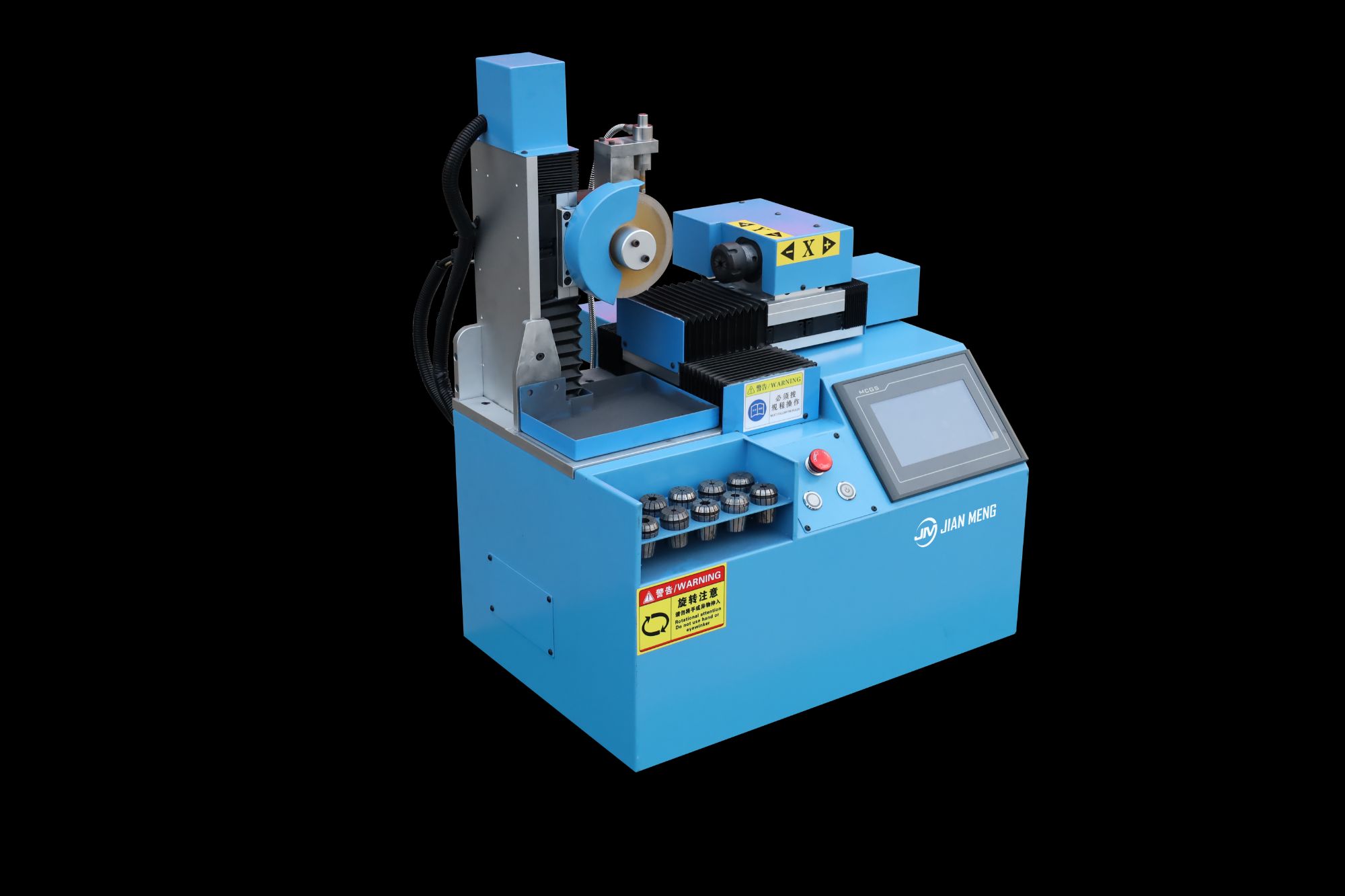
In recent years, grinding operations have undergone a significant transformation, driven by the need to reduce waste and cut down on production time. One standout approach involves the use of advanced abrasive materials, such as CBN (cubic boron nitride) and diamond-coated wheels, which last longer and require fewer replacements. This not only slashes downtime but also enhances precision, allowing for smoother finishes and tighter tolerances that manual methods often struggle to achieve.
Beyond just upgrading tools, real-time monitoring systems are changing the game by providing instant feedback on machine performance. These systems track factors like vibration, temperature, and wheel wear, alerting operators to potential issues before they escalate into costly breakdowns. By catching problems early, facilities can maintain a steady workflow and avoid the all-too-common scenario of unexpected halts that derail entire production schedules.
Another less-discussed but highly effective technique is optimizing coolant application. Instead of flooding the workpiece, targeted delivery systems use nozzles to apply coolant exactly where it's needed, minimizing thermal damage and reducing fluid consumption. This subtle shift not only improves part quality by preventing overheating but also cuts costs on coolant disposal and energy use, making it a smart, sustainable choice for forward-thinking workshops.
Cutting-Edge Innovations Driving Accuracy in Tool Manufacturing
Precision in tool manufacturing has been revolutionized by recent advances that merge digital technologies with traditional craftsmanship. For instance, the integration of artificial intelligence into computer-aided design (CAD) systems allows engineers to simulate tool performance under various conditions before physical production begins. This not only reduces material waste but also fine-tunes designs for optimal accuracy, enabling tools that achieve tolerances previously thought impossible. Such innovations are pushing the boundaries of what's achievable, making high-precision tools more accessible across industries from aerospace to medical devices.
Another key development is the rise of additive manufacturing, or 3D printing, which has transformed how complex tool components are created. Unlike conventional subtractive methods, this technology builds layers of material with exact specifications, minimizing human error and enhancing consistency. It's particularly impactful for producing custom tools with intricate geometries, where traditional machining might fall short. As a result, manufacturers can now deliver tools with unparalleled precision and faster turnaround times, meeting the growing demand for bespoke solutions in competitive markets.
Moreover, smart sensors and Internet of Things (IoT) connectivity are elevating accuracy by enabling real-time monitoring and adjustments during the manufacturing process. Embedded sensors in machinery collect data on factors like temperature and vibration, automatically correcting deviations to maintain tight tolerances. This proactive approach reduces defects and ensures each tool meets exact standards, fostering a new era of reliability. By leveraging these cutting-edge technologies, the industry is not just improving accuracy but also building a foundation for more sustainable and efficient production practices.
Streamlining Workflows for Faster and More Reliable Output
In today's fast-paced work environments, streamlining workflows has become essential for achieving faster and more reliable output. By cutting out unnecessary steps and automating repetitive tasks, teams can focus on high-value activities, leading to increased productivity and fewer errors. This approach not only accelerates project timelines but also enhances overall quality, making businesses more competitive in dynamic markets.
Adopting streamlined workflows isn't just about speed; it's about building a foundation for consistency and trust. For example, integrating clear communication channels and standardized processes helps prevent bottlenecks and misunderstandings. As a result, output becomes more predictable and dependable, allowing organizations to meet deadlines with confidence and adapt quickly to changing priorities.
Ultimately, investing in workflow optimization pays off by fostering a culture of efficiency and innovation. When employees work with tools and systems designed for smooth operation, they can deliver results that are both timely and robust. This shift not only boosts individual performance but also drives collective success, ensuring that every project contributes to long-term growth and reliability.
Key Strategies to Reduce Waste and Enhance Tool Longevity
Implementing a structured maintenance routine is crucial for minimizing waste and extending the life of your tools. Start by regularly cleaning and lubricating equipment according to manufacturer guidelines, which prevents rust and wear. Additionally, store tools in a dry, organized environment to avoid damage from moisture or mishandling. By adopting these simple habits, you can significantly reduce the need for replacements and cut down on resource wastage.
Opt for high-quality materials and durable designs when selecting tools, as they tend to last longer and perform better over time. Consider investing in multi-functional tools that serve multiple purposes, reducing the clutter and waste associated with owning numerous single-use items. Regularly assess your tool inventory to identify underutilized or obsolete pieces that can be repurposed or recycled, fostering a more sustainable approach to tool management.
Encourage a culture of care among users by providing training on proper handling techniques and emphasizing the importance of reporting issues early. Implement a system for tracking tool usage and maintenance schedules, which helps in proactive repairs before major failures occur. Sharing success stories or case studies within your team can inspire others to adopt these strategies, creating a collective effort towards waste reduction and enhanced longevity.
Integrating Smart Technologies for Smarter Grinding Solutions
Imagine a grinding process that adapts on the fly, optimizing material removal rates while minimizing waste and energy consumption. By integrating smart technologies like IoT sensors and AI-driven analytics into grinding equipment, manufacturers can achieve just that—creating solutions that are not only efficient but also predictive. These systems monitor parameters such as vibration, temperature, and tool wear in real-time, allowing for adjustments that extend machine life and enhance product quality. It's a shift from reactive maintenance to proactive performance, where data becomes the key to unlocking smarter, more sustainable operations.
In practice, smarter grinding leverages technologies such as machine learning algorithms and cloud connectivity to analyze historical and live data. This enables the development of adaptive control systems that can fine-tune grinding parameters based on material variations or environmental conditions. For instance, in high-precision industries like aerospace or automotive, these integrations help maintain tight tolerances and surface finishes, reducing scrap rates and speeding up production cycles. The result is a more agile manufacturing environment where technology doesn't just assist but actively evolves the grinding process.
What truly sets these innovations apart is their ability to blend hardware with software intelligence, creating a seamless ecosystem. By incorporating edge computing and digital twins, companies can simulate grinding scenarios before execution, identifying potential issues and optimizing workflows in advance. This holistic approach not only boosts efficiency but also fosters innovation, as teams can experiment with new techniques safely. Ultimately, integrating smart technologies transforms grinding from a routine task into a dynamic, data-driven discipline that drives competitiveness and quality in modern industry.
FAQ
Modern tool grinding factories are adopting multi-axis CNC programming that allows for complex geometries and tighter tolerances. Techniques like adaptive control—adjusting parameters in real-time based on sensor feedback—help maintain consistency, while simulation software prevents errors before machining.
Efficient cooling systems, such as high-pressure coolant jets or through-tool cooling, reduce heat buildup and tool wear, enabling faster grinding speeds and longer machine uptime. Proper filtration also minimizes downtime for maintenance, boosting overall productivity.
Automation, from robotic loading of workpieces to in-process measurement with probes, eliminates human error and ensures repeatability. Closed-loop feedback systems adjust grinding parameters automatically, resulting in higher accuracy and less scrap.
For precision tasks, factories often use diamond or cubic boron nitride (CBN) wheels due to their hardness and wear resistance. Advanced coatings like aluminum oxide or ceramic bonds enhance performance in grinding tough materials like carbide or hardened steel.
Implementing quick-change fixtures and standardized tooling setups cuts down on changeover times. Digital twin technology or pre-programmed job sequences help workers prepare without interrupting production, streamlining the entire process.
Regular calibration of spindles and axes, along with lubrication checks, prevents drift and wear. Predictive maintenance using vibration analysis or thermal monitoring can catch issues early, avoiding unexpected breakdowns and costly repairs.
Conclusion
In the competitive landscape of tool manufacturing, achieving peak precision and enhanced efficiency is paramount for factory success. Optimizing tool grinding machines for precision performance involves meticulous calibration, advanced alignment techniques, and the use of high-quality abrasives to ensure tolerances are consistently met. This focus on accuracy is complemented by efficiency-boosting strategies that streamline modern grinding operations, such as implementing automated loading systems and optimizing cutting parameters to reduce cycle times. Furthermore, cutting-edge innovations, including laser measurement systems and real-time monitoring, drive unprecedented accuracy in tool manufacturing, enabling factories to produce complex geometries with minimal deviation. By integrating these elements, factories can maintain a competitive edge through superior product quality and operational speed.
To further enhance productivity, streamlining workflows is essential for faster and more reliable output, involving the reorganization of production lines and predictive maintenance schedules to minimize downtime. Key strategies to reduce waste and enhance tool longevity include recycling coolants, employing adaptive control technologies to prevent over-grinding, and using durable tool materials that extend service life. Additionally, integrating smart technologies, such as IoT sensors and AI-driven analytics, offers smarter grinding solutions that optimize processes dynamically, predict failures, and improve overall efficiency. This holistic approach not only boosts precision and efficiency but also reduces costs and environmental impact, making tool grinding machine factories more sustainable and adaptable in an evolving industrial landscape.
Contact Us
Contact Person: Jeanie
Email: [email protected]
Tel/WhatsApp: +86 19805122954
Website: https://www.jianmeng.com