

Top 10 Used Forklifts to Boost Your Warehouse Efficiency
2026-05-31
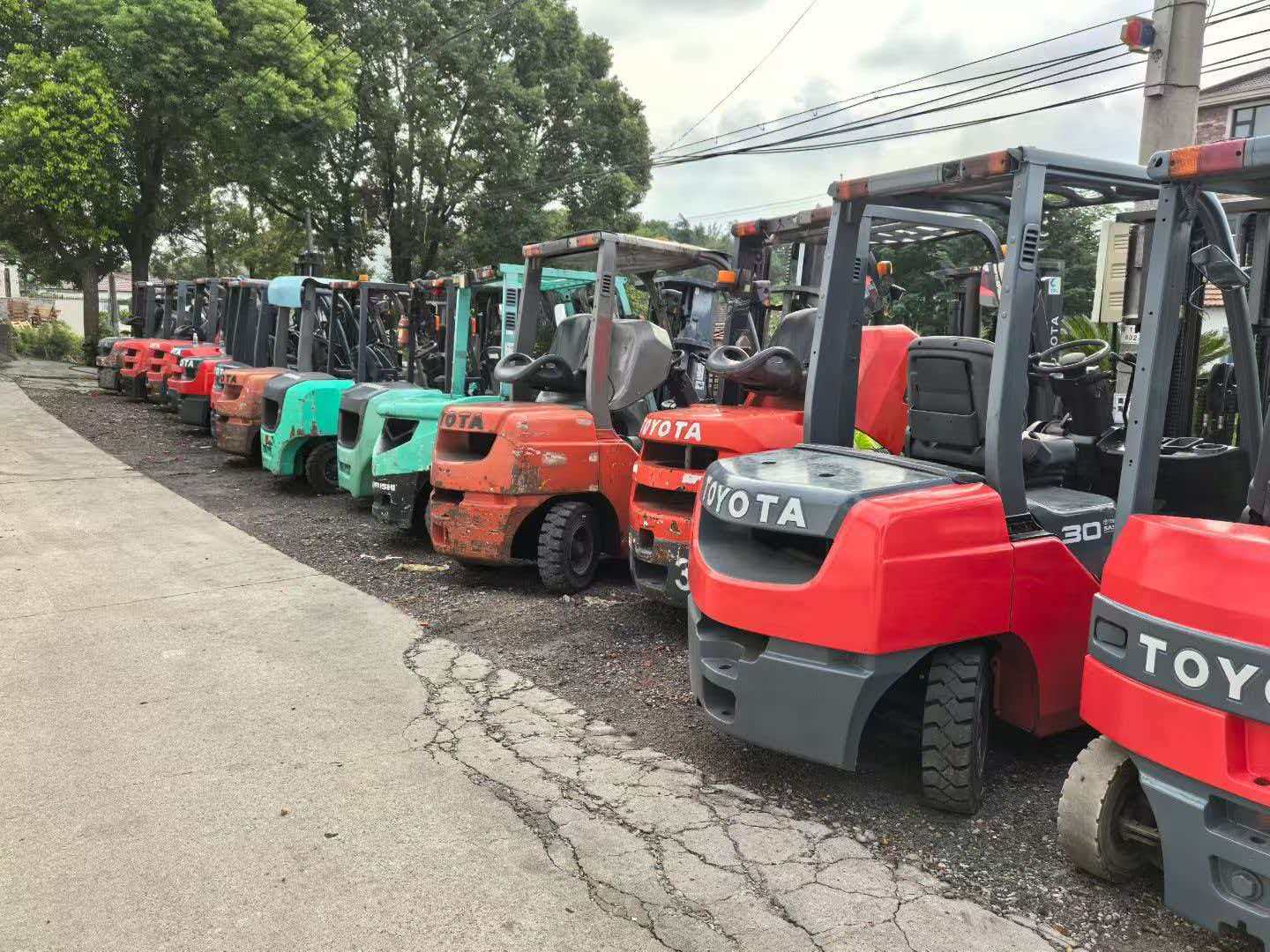
Revamping your warehouse operations starts with making smart equipment choices, and a used forklift might be your hidden advantage. At JILIANG CHI, we understand that efficiency doesn’t always demand brand-new machinery. Our curated top 10 list reveals proven models that balance performance with value, helping you move goods faster without breaking the budget. Ready to see which lifts made the cut?
Why a Pre-Owned Forklift Might Be Your Smartest Move
Imagine cutting your equipment costs by up to 50% without sacrificing performance. That's the kind of leverage a pre-owned forklift brings to the table. While new models roll off the line with premium price tags, a well-maintained used lift often has years of reliable service left—and it comes without the immediate depreciation hit. For growing operations or seasonal peaks, that extra budget flexibility can fuel other critical needs like hiring, warehouse upgrades, or expanded inventory.
Availability is another silent advantage. Custom-ordered new forklifts can take months to arrive, especially in today's unpredictable supply chains. A pre-owned unit can be sitting on your dock within days, not weeks. And because many used forklifts already have proven track records on similar job sites, you can zero in on models known for durability in your specific application—be it narrow-aisle work, outdoor lumberyards, or high-capacity loading. You're not just buying equipment; you're tapping into real-world performance data.
Then there’s the sustainability angle that quietly boosts your brand. Opting for a quality used forklift extends the lifecycle of existing machinery, reducing manufacturing demand and keeping functional equipment out of scrap yards. It's a practical, budget-friendly choice that also aligns with the growing expectation for businesses to operate more consciously. When you can tick the boxes for cost, speed, and environmental responsibility, the decision practically makes itself.
The Hidden Gem in Warehouse Equipment
Most warehouse managers fixate on robots and automated storage, but the real unsung hero sits in your workers' ears. Voice-directed picking systems have quietly revolutionized order fulfillment, slashing error rates and training time without the million-dollar price tag. It's not flashy—just a headset and a belt unit—but the impact on daily throughput is staggering. Retail giants have long used it, yet countless mid-sized operations still overlook this straightforward technology.
Unlike screen-based picking, which pulls eyes away from the task, voice commands keep hands and eyes free. Workers hear the next pick location, confirm with a simple word, and move on. This reduces misfires and fatigue, especially in high-intensity environments. One distribution center I toured last year saw a 30% accuracy bump within the first month of switching, simply because people weren't constantly glancing at tablets.
The beauty of voice picking is how effortlessly it fits into existing workflows. There's no need to overhaul your WMS or retrain the whole crew for weeks. Install the software, hand out the hardware, and most teams are fully operational in two days. It's the kind of quiet, practical upgrade that turns a chaotic holiday season into a manageable operation—and yet it rarely gets the spotlight it deserves.
Beyond the Price Tag: What to Look For
Ever grabbed a “great deal” on a pair of shoes, only to have the sole split halfway through a rainy Tuesday? That sinking feeling isn’t just about wet socks—it’s the moment you wish you’d peeked past the sticker. A low price can be a magician’s trick: it distracts you from the real performance. Instead, let your fingers do the reading. How does the fabric feel? Is the stitching wobbly or confident? Does the zipper glide like it means it? These little clues whisper the truth about how long the item will be your companion, not just a fleeting guest in your closet.
The best purchases don’t just function—they age gracefully, carry a story, or come from someone who actually cared about making them. Hunt for the details that don’t shout on the shelf: the weight of the metal, the heft of the ceramic, the warranty that says “we’ve got your back” in more than fine print. And sometimes the most valuable thing isn’t tacked on a tag at all—like the quiet confidence of a well-made chair that doesn’t squeak, or a bag that develops a rich patina instead of peeling plastic. Skip the race to the bottom; invest in things that earn their keep long after the receipt fades.
Matching Forklift to Facility: A Practical Guide
Selecting the right forklift starts with a thorough walk-through of your facility. Take note of the narrowest aisles, the highest rack beams, and any tight corners or doorways. A counterbalance forklift might be versatile, but if you’re working in a warehouse with narrow aisles and high stacking, a reach truck or articulated forklift can make a world of difference in maneuverability and space utilization.
Don’t overlook the floor surfaces and environmental conditions. Outdoor lots with gravel or uneven terrain demand pneumatic tires and internal combustion engines for durability, while smooth warehouse floors are perfect for cushion tires and electric models. Think about cold storage or wet areas—moisture and temperature extremes can dictate special lubrication or sealed components to prevent downtime.
Finally, align the forklift’s capacity and ergonomics with your real-world needs. It’s not just about lifting rating; consider the load center, attachment weight, and operator comfort over long shifts. A mast with free lift helps in low-clearance trailers, and adjustable seating or fingertip controls can reduce fatigue, keeping productivity steady and accidents rare.
Long-Term Value: Maintenance Secrets
Preserving the worth of your investments goes far beyond surface-level upkeep. It starts with a mindset shift: treat your belongings as partners that reward consistency. For example, a high-quality mechanical watch thrives on regular winding and professional servicing every few years, which prevents costly repairs down the line. The trick is to integrate these habits so seamlessly into your routine that they feel second nature—like checking tire pressure with every fuel stop or conditioning leather pieces at the turn of each season. This approach not only extends lifespan but also deepens your connection with the items, turning mundane care into a satisfying ritual.
Another often-overlooked secret is documentation. Keeping a simple log of maintenance—whether it's a spreadsheet for your car’s oil changes or a note on your phone about when you last sharpened your kitchen knives—transforms reactive fixes into proactive care. Data from your own usage patterns reveals what works best, helping you anticipate needs before they become emergencies. Pair this with using the right tools and materials; cheap alternatives might seem like a bargain, but they accelerate wear. Investing in manufacturer-recommended supplies or high-grade substitutes pays off exponentially, safeguarding performance and appearance for decades.
Finally, understand the hidden economics of maintenance. Every minor adjustment you make today is a buffer against obsolescence tomorrow. For instance, a well-maintained appliance doesn’t just avoid the landfill—it retains market value if you ever decide to upgrade. Some enthusiasts even treat upkeep as a storytelling art, passing down heirlooms with patina that speaks of responsible stewardship. By viewing maintenance as a value multiplier, not a chore, you unlock a cycle where care begets longevity, and longevity begets enduring satisfaction.
Stories from the Warehouse Floor: Real Gains
When the night crew started tagging misplaced pallets with location codes, retrieval times dropped almost overnight. It wasn't a fancy system—just some laminated cards and a shared logbook.
One forklift driver began charting his own routes to avoid bottlenecks near the loading docks. His handwritten map became a blueprint that cut morning congestion by half.
The real win came from listening. A part-time picker suggested rearranging high-demand items closer to the packing stations. That small shift saved miles of walking every week.
FAQ
Brands like Toyota, Hyster, and Crown earn trust through consistent reliability. A well-maintained Toyota 8-Series or Hyster Fortens can handle demanding warehouse cycles without frequent breakdowns.
Target used models that are only a few years old—they often include productivity features like precision hydraulics and ergonomic driver stations. This lets you move more pallets per hour while keeping capital costs low enough to invest elsewhere.
For strictly indoor use, electric forklifts dominate. They eliminate exhaust fumes and cut noise. Look for a used electric with a lithium-ion battery if possible; it charges quickly and lasts a full shift. LPG is acceptable only if your facility has strong ventilation.
Definitely. A used reach truck in good condition can operate in aisles as narrow as 8 feet. Prioritize units with a tilting mast and proven side-shifter performance to maximize storage density without sacrificing speed.
Look for clean hydraulic fluid reservoirs, no frame corrosion, and hour meters that align with recorded service intervals. During a test, the mast should lift and lower smoothly, and the steering should be responsive with no dead spots.
Add up the initial cost, estimated annual maintenance (including tires and battery health), and any necessary repairs. Then compare this against how many extra pallet movements you'll gain per shift. A simple ROI calculation over 2-3 years often justifies the purchase.
Conclusion
Many warehouse managers overlook used forklifts, but a pre-owned unit often delivers identical performance at a fraction of the cost—making it one of the smartest moves you can make. The real hidden gem lies in equipment that has already proven its reliability on someone else’s floor. Look beyond the price tag: service records, mast wear, and hydraulic integrity tell you far more than a glossy paint job. Inspecting these details uncovers machines that can handle your loads for years without the steep initial depreciation of new purchases. A well-chosen used forklift isn’t a compromise; it’s a strategic asset that keeps capital free for other improvements.
Matching that used forklift to your facility requires more than spec sheets—aisle width, lift height, and floor surface all play a role in daily efficiency. Once it’s in operation, maintenance secrets make the difference: consistent inspections, genuine parts, and trained operators extend life and prevent costly downtime. I’ve seen warehouses cut cycle times in half simply by switching to a narrower, more agile reach truck that fit their racks. These real gains add up fast. A practical, long-term approach to picking and caring for a used lift doesn’t just save money—it boosts throughput, morale, and the whole rhythm of the warehouse floor.
Contact Us
Contact Person: Sally Xiao
Email: [email protected]
Tel/WhatsApp: 086-18221477398
Website: http://www.shjiliangchi.com/