

Top Dry-type Transformer: Key Features and Benefits Explained
2026-09-23
Dry-type transformers are changing how engineers approach power distribution—no oil, less fire risk, and almost no routine upkeep. But what makes a top-tier unit truly stand out? This guide walks through the features and benefits that matter most, from insulation systems to cooling performance. As a brand focused on practical reliability, Chang Song brings field-tested insight to the conversation.
Why Dry-Type Units Run Cooler Than You Expect
One reason these units stay cooler than expected is the absence of a liquid heat reservoir. Oil-filled designs absorb thermal energy and release it slowly, keeping the outer shell warm long after the load drops. Dry-type units, by contrast, rely on direct air contact across the windings and core. Heat leaves the surface almost as fast as it is generated, so the temperature tracks the actual load instead of lingering at elevated levels.
The internal geometry also plays a surprising role. Modern dry-type construction uses thin, high-temperature insulation that spreads heat across a larger area rather than concentrating it in a few hot spots. Many units add open ventilation channels or forced-air paths that multiply the effective cooling surface. The result is a machine whose warmest point is often closer to the average surface temperature than intuition would suggest.
Field conditions tip the balance further. Most dry-type units rarely run at full nameplate load for long stretches; the natural ebb and flow of demand gives the windings brief recovery periods. Add in typical installation sites with decent air movement or even modest HVAC assistance, and the measured temperature can sit well below the rated rise limit. This gap between lab-derived limits and everyday operation is what makes the "cooler than you expect" impression so common.
The Winding Insulation Choices Behind Long-Term Reliability
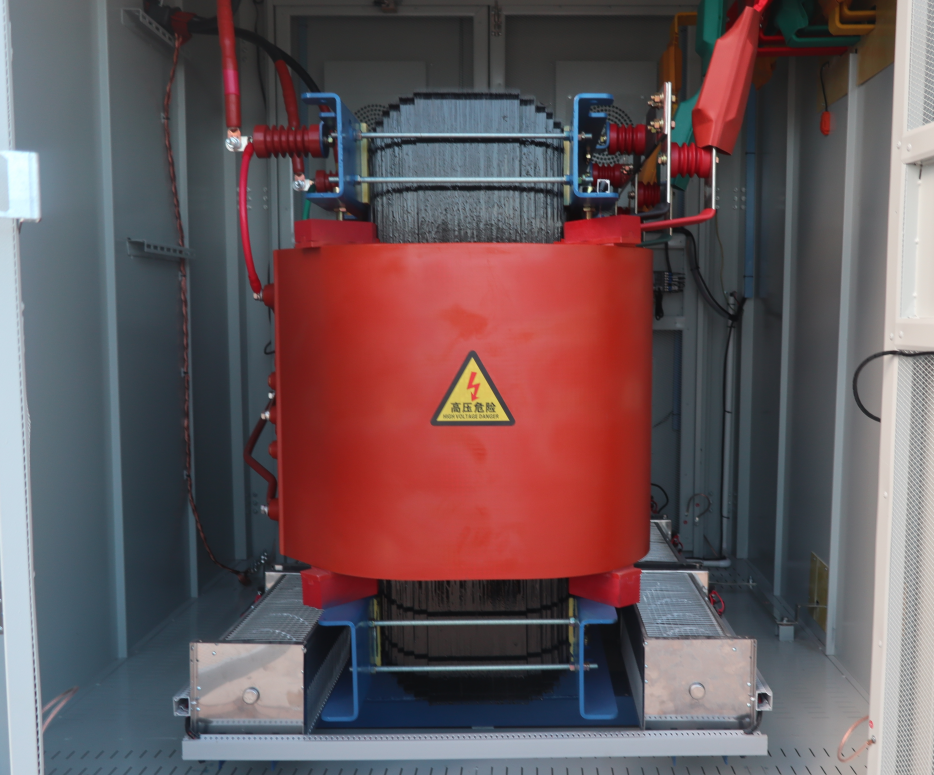
Most winding failures trace back to decisions made long before the first load cycle. The choice between enamel coatings, mica tapes, and resin systems isn’t just a matter of temperature class on a datasheet—it’s about how those layers age together under thermal stress, moisture ingress, and voltage spikes that never show up in a clean test report. A motor or transformer that looks identical on the outside can have a decade’s difference in service life depending on whether the insulation was specified for the actual operating environment rather than a generic design margin.
Reliability comes from matching the insulation system to the real stress profile. For example, inverter-driven machines need partial discharge resistance that older enamel formulations simply don’t provide, while high-humidity installations may benefit more from a well-sealed impregnation than from a higher thermal rating. The most durable windings aren’t the ones with the biggest numbers on paper—they’re the ones where the varnish, tape, and wire coating were selected as one integrated system, not as separate line items on a bill of materials.
Why Indoor Installations Favor Air-Cooled Designs
Indoor environments usually maintain a narrower temperature band than outdoor spaces, which reduces the thermal stress on air-cooled heat exchangers. Without the need for a continuous water supply or a drain line, installation becomes far simpler—especially in commercial or residential buildings where plumbing modifications are costly. The closed-loop nature of air cooling also eliminates concerns like pipe corrosion, mineral scaling, or freeze damage during cold weather.
Another practical advantage is that indoor air-cooled units can be positioned close to the load they serve, shortening ductwork or piping runs. While the rejected heat does enter the surrounding space, most indoor facilities already have ventilation or air conditioning systems that can absorb the extra load without major redesign. Maintenance crews also appreciate not having to inspect cooling towers, pumps, or water treatment systems, which cuts routine servicing time and the likelihood of unexpected downtime.
Noise Levels and Where to Mount Them Without Regret
Most spec sheets list decibel ratings, but those numbers rarely match what you hear in real life. Before picking a mounting spot, run the device at full load and walk around the area with a basic sound meter app. Pay attention to low-frequency hums that travel through walls more easily than high-pitched whines. A unit that seems quiet on paper can become a constant background irritation if it's placed near a bedroom or a home office.
Mounting location matters just as much as the noise level itself. Avoid corners and alcoves where sound bounces around and amplifies. If you have to attach the unit to an exterior wall, use rubber isolators or a vibration-dampening bracket so the structure doesn't act like a giant speaker. Keep it away from ductwork and plumbing chases, as those hollow spaces can carry the noise to rooms you'd never expect.
One more thing to consider is where the sound will actually travel after installation. Mounting a noisy unit at ear level next to a patio or a frequently opened window is a recipe for regret. A little height or a slight shift to the side can make a big difference. And if the device has adjustable fan speeds, set it to a lower setting during the hours you're most likely to be nearby. It's easier to plan for noise before drilling holes than to fix a bad location later.
The Overload Story Most Spec Sheets Leave Out
A spec sheet will tell you the rated load and maybe a max figure for five seconds, but it rarely mentions how the thing behaves at 110% for an hour, or 130% for ten minutes. The real story lives in the thermal mass, the winding insulation class, the controller's clipping behavior—details that don't show up in a comparison table but decide whether a 'continuous' rating means continuous or just survivable.
I've watched units handle a 20% overload for half an hour without a hiccup, then trip a thermal switch after another five minutes. Others sag voltage at the first hint of overload and never recover cleanly. None of that is on the label. If you want to know whether a piece of gear will actually tolerate the messy, uneven load you're planning, you need to look at how it behaves after the specs end—and sometimes the only way is to run it there yourself.
When Dry-Type Makes More Sense Than Oil-Filled
Dry-type transformers earn their keep in places where oil leaks would mean real trouble. Think hospitals, data centers, underground vaults, or any spot where a spill could seep into soil or pose a fire hazard. Without the liquid cooling medium, there is no containment pit to build, no secondary spill trays to inspect, and no regular oil sampling to schedule. The absence of flammable fluid also simplifies fire suppression requirements, which often translates to lower insurance premiums and fewer regulatory hoops.
Maintenance is another area where dry-type pulls ahead. Oil-filled units demand periodic oil testing for moisture, dissolved gases, and dielectric breakdown. That means scheduling outages, hiring specialized contractors, and sometimes finding a safe way to dispose of contaminated oil. Dry-type designs, by contrast, only need occasional visual inspections, a vacuuming of the coils, and maybe a megger test every few years. For facilities without a dedicated electrical maintenance crew, this hands-off approach can be the deciding factor.
Indoor installations often make the choice obvious. Building codes in many regions restrict oil-filled transformers above a certain kVA rating unless they sit in a vault with reinforced walls and automatic fire suppression. Dry-type units bypass much of that red tape, fitting neatly into electrical rooms, mezzanines, or even rooftop enclosures. They also avoid the issue of oil degradation over time, so there is no lifetime fluid replacement cost to budget for. When the site is occupied by people, the peace of mind from having zero combustible liquid inside is hard to put a price on.
FAQ
A dry-type transformer relies on air circulation and solid insulation materials like epoxy resin or varnish instead of liquid coolant. There’s no oil tank, no radiator, and no risk of fluid leaks. The core and windings are cast or coated to withstand heat, which changes how the unit dissipates heat and how it can be placed indoors or close to occupied spaces.
They fit well in places where fire safety and cleanliness matter more than raw cooling capacity. Commercial buildings, hospitals, data centers, underground vaults, and manufacturing floors often use them because there’s no flammable liquid to contain. You can place them closer to load centers without needing containment pits or oil barriers.
Standard ventilated enclosures work fine in clean indoor areas. For harsher conditions, manufacturers offer cast-coil or encapsulated versions that seal the windings against moisture, airborne chemicals, and abrasive dust. The key is matching the enclosure rating and insulation class to the actual environment rather than assuming all dry-type units are equally rugged.
Modern dry-type designs close much of the efficiency gap. At typical loading levels between 35% and 80%, a good cast-coil unit can deliver 98% to 99% efficiency, comparable to many liquid-filled models. Lower-temperature-rise options and better core steel have reduced losses, so the real decision is usually about upfront cost and installation flexibility, not a large efficiency penalty.
Maintenance is mostly visual and periodic. You’ll want to check for dust buildup on coils and air vents, inspect for any signs of overheating or discoloration, and verify that cooling fans and temperature sensors are working. There’s no oil testing, no gasket replacement, and no regular fluid filtering. A thorough inspection once or twice a year often catches most issues before they become failures.
Yes, but only if the specific model carries an outdoor enclosure rating. A ventilated dry-type unit won’t survive rain, snow, or high humidity on its own. Outdoor-rated cabinets with weatherproof seals, sloped roofs, and corrosion-resistant finishes are available, but they add cost and can reduce airflow slightly unless properly designed.
The biggest one is fire risk reduction. Without mineral oil or synthetic liquid as a coolant, there’s no fuel source inside the unit to sustain a fire. This means fewer fire suppression requirements, easier insurance approvals, and the ability to install transformers near people and critical equipment without blast walls or elaborate containment systems.
Dry-type transformers often carry a higher purchase price for the same kVA rating, especially in cast-coil or encapsulated versions. However, you can save on installation because you don’t need oil containment, leak detection systems, or expensive vaults. Lower fire insurance premiums, reduced maintenance labor, and the ability to place units closer to loads (which reduces low-voltage cable runs) often offset the initial price gap over a 10- to 20-year service life.
Conclusion
Dry-type transformers run surprisingly cool because they shed heat directly to surrounding air rather than relying on liquid coolant, and advanced insulation materials like Nomex and epoxy resin allow continuous operation at higher temperatures without degradation. This makes them a natural fit for indoor installations, where air-cooled designs eliminate fire risk and the need for containment pits. The choice of winding insulation is the quiet hero here—Class H or C systems maintain dielectric strength even under thermal cycling, which directly extends service life. When installed, noise becomes less of an issue if you position the unit away from quiet zones and use vibration-damping pads; many modern cores are built with step-lap joints to reduce hum. Overload performance is another underappreciated strength: dry-type units often tolerate short-term overloads of 20–30% without immediate damage, as long as ambient conditions and cooling clearances are met. Spec sheets rarely highlight this margin, but it proves valuable in real-world demand spikes.
Compared to oil-filled transformers, dry-type makes more sense in hospitals, data centers, underground substations, and anywhere environmental safety or maintenance access matters. There is no oil to sample, filter, or leak, and no risk of soil contamination. The upfront cost may be higher for equivalent kVA, but lower fire suppression requirements and simpler room construction often offset it. For engineers weighing long-term reliability against installation flexibility, the air-cooled, solid-insulation design delivers a compelling balance: predictable thermal behavior, quiet operation when properly mounted, and enough overload headroom to handle the occasional surprise without tripping protection.
Contact Us
Contact Person: Tonglun Chen
Email: [email protected]
Tel/WhatsApp: 8618906642555
Website: https://www.cncsele.com