

Top Food Additive Silicon Dioxide: Unveiling Its Roles, Safety, and Everyday Uses
2026-05-13
Silicon dioxide might sound like a substance reserved for labs or industrial plants, but chances are you’ve already encountered it today—in your morning coffee creamer or that packet of seasoning. This unassuming additive, also known as silica, works behind the scenes to keep food products free-flowing and fresh. Yet, despite its widespread use, questions about its safety and purpose often linger. At Zhonglian, we believe transparency is key, which is why we’re diving into the real story of silicon dioxide: what it does, how safe it really is, and where you’ll find it in your daily life.
The Invisible Ingredient Keeping Your Food Fresh
You might think your food stays fresh simply because it’s sealed inside a bag or container. But look closer—there’s an invisible helper at work, one you’ll never spot on an ingredient list. It’s not a chemical additive or a magic coating; it’s the very air surrounding your snacks, adjusted in a way that dramatically slows down spoilage.
Most packaged foods sit in a modified atmosphere, where regular oxygen is swapped for nitrogen or carbon dioxide. That silent switch stops fats from going rancid, keeps mold at bay, and preserves texture without any trace of the process left behind. The bag feels normal, yet inside, a carefully balanced gas blend is doing the heavy lifting.
This clever tweak has been quietly extending shelf life for decades, from crispy chips to tender baked goods. Next time you tear open a package, remember: freshness isn’t just about what’s inside—it’s about what’s not there, working invisibly to keep every bite just right.
More Than Just Sand: Silicon Dioxide’s Secret Life in Your Pantry
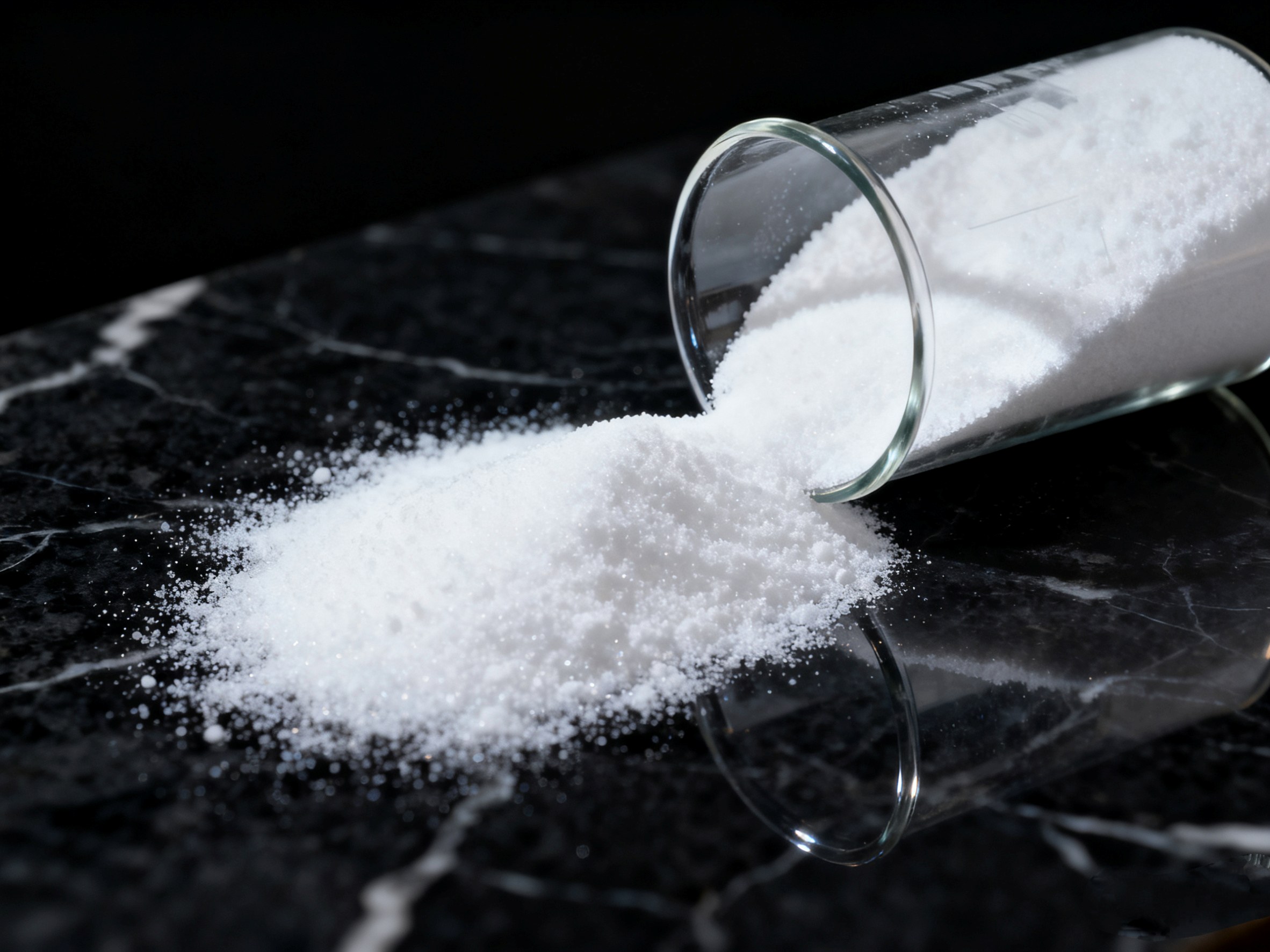
That fine, white powder you might imagine as pristine beach sand isn't just lounging on shorelines—it's quietly tucked into the corners of countless everyday kitchen staples. Silicon dioxide, or silica, slips into spice blends to prevent stubborn clumps, ensures your instant coffee flows freely, and even helps grated cheese maintain its fluffy individuality rather than fusing into one solid block. It's the anti-caking agent that doesn’t ask for recognition, yet without it, many pantry essentials would turn into frustrating, scoop-resistant bricks.
Beyond its talent for keeping powders loose, silica moonlights as a clarifying agent in beverages and a carrier for flavorings that need a stable, neutral partner. In opaque, textured forms, it subtly adjusts the mouthfeel of soups and sauces, lending a silkier consistency without altering taste. This chameleon-like substance also plays a crucial role in the drying process of certain foods, absorbing moisture that would otherwise invite spoilage, so your favorite snack stays fresh long enough to reach you.
What’s fascinating is that this mineral, so abundant in nature, undergoes a precise transformation before landing on your plate. It's not raw sand but a purified, finely engineered ingredient that meets strict food-grade standards. So next time you shake out a perfect ribbon of powdered sugar or watch a dry soup mix dissolve effortlessly, remember there’s a quiet, crystalline architect at work—one that’s far more sophisticated than its humble beach-dwelling cousin.
Is Silicon Dioxide Safe? Peeling Back the Layers of Research
Silicon dioxide is found naturally in water, soil, and many foods. It’s also added to supplements and processed goods as an anti-caking agent. This ubiquity naturally prompts the question: how safe is it really? When we look beyond the basic fact that it’s an abundant mineral, the story gets more nuanced. Not all forms of silicon dioxide behave the same way in the body, and its safety profile often depends on particle size, purity, and how you’re exposed to it.
Research largely supports the safety of food-grade amorphous silica, which is what you’ll find in most consumer products. Regulatory bodies like the FDA and EFSA have classified it as generally safe in specified amounts. However, some studies point to potential concerns with long-term inhalation of crystalline silica dust, or with nano-sized particles that might accumulate in tissues. The key takeaway from the scientific literature is that the form and route of exposure matter enormously—what’s safe to eat isn’t necessarily safe to inhale.
Peeling back the layers, we see that the human body actually needs silicon for bone and connective tissue health, but the question remains whether supplemental forms offer the same benefits as dietary sources. Current evidence suggests that for most people, silicon dioxide in food and supplements poses little risk when consumed within normal limits. Ongoing research continues to monitor any subtle effects, but the consensus is reassuring. Like many things, it’s the dose and the form that determine safety.
Hidden Everywhere: Tracing Silicon Dioxide from Spices to Supplements
It’s easy to overlook the fine print on a jar of garlic powder, but that’s exactly where silicon dioxide often lurks. Used for decades as an anti-caking agent, it keeps spices flowing freely by absorbing moisture and preventing clumps. What’s less obvious is that the same compound trickles into capsules and tablets, where manufacturers rely on it to ensure uniform blending of active ingredients. Its presence is so seamless that most consumers never suspect they’re ingesting a substance more commonly associated with sand and quartz.
The journey of silicon dioxide from raw mineral to pantry staple involves sophisticated processing, yet the end result feels mundane. While food-grade variants are generally recognized as safe, the sheer volume of incidental intake raises questions. A shake of seasoning here, a daily vitamin there—these micro-doses accumulate in ways we rarely pause to consider. Interestingly, some supplement brands now market “clean label” alternatives without it, hinting at a growing unease among informed buyers.
Perhaps the most curious twist is silicon dioxide’s dual role as both a processing aid and a potential source of dietary silicon, which some studies link to bone health. But this nuance seldom enters the conversation, lost amid the broader debate over food additives. As it stands, the compound quietly threads through our kitchens and medicine cabinets, an invisible thread in the fabric of modern consumption.
The Unsung Anti-Caking Hero: How It Keeps Powders Flowing
Ever wonder why your powdered sugar doesn’t clump into a solid brick, or how that protein powder slides smoothly into a shaker? The quiet champion behind this everyday magic is something most folks never give a second thought: an anti-caking agent. These are tiny, often tasteless additives that work tirelessly to keep particles loose and free-flowing, no matter the humidity or how long the package sits on the shelf.
At a microscopic level, it’s all about surface chemistry. Anti-caking agents – like silicon dioxide or calcium silicate – coat each powder particle, creating a microscopic shield that blocks moisture and prevents the sticky bonds that lead to caking. They also act like miniature ball bearings, reducing friction so particles glide past one another with ease. It’s a brilliantly simple fix that transforms powders from a frustrating mess into something that pours like a dream.
What makes this unsung hero truly shine is its versatility. From baking mixes and spice blends to instant coffee and even construction materials, anti-caking agents pop up in places you’d never suspect. They don’t alter flavor, color, or nutritional value, yet their absence would make life noticeably harder – imagine battling a clumpy latte every morning or chiseling seasoning out of a jar. It’s a humble innovation, but one we rely on more than we realize.
Silicon Dioxide Unmasked: Debunking Myths and Revealing Facts
Silicon dioxide often gets a bad rap, with many assuming it's some synthetic additive cooked up in a lab. In truth, it's one of the most abundant minerals on Earth—you'll find it in sand, quartz, and even the agates your grandmother used to collect. The same compound that forms the backbone of stunning geodes also shows up in your salt shaker to keep it flowing freely.
Another persistent myth is that silicon dioxide in food poses a health risk. Yet, it's been used safely for decades as an anti-caking agent, and your body simply passes the tiny amounts you consume without absorbing them. Regulators worldwide recognize it as harmless, and it’s not just common sense—decades of research back up its safety profile.
What's truly fascinating is how this humble compound shapes our world, from the screens on our devices to the supplements in our pantry. Next time you see it on a label, there's no need for alarm—it’s just a little piece of the earth keeping things from clumping together.
FAQ
Silicon dioxide, also known as silica, is a natural compound composed of silicon and oxygen. In the food industry, it is primarily employed as an anti-caking agent to prevent powdered ingredients from clumping together, ensuring free flow during processing and storage. It also acts as a clarifying agent in beverages and can help maintain the stability of certain products.
Due to its porous and highly absorbent structure, silicon dioxide effectively adsorbs excess moisture that causes powders to stick. By coating particles at a microscopic level, it reduces friction and electrostatic interactions, allowing substances like spices, coffee creamers, and baking powders to remain loose and easy to pour.
Regulatory bodies such as the FDA, EFSA, and WHO have evaluated silicon dioxide and generally recognize it as safe when used in accordance with good manufacturing practices. While it is considered non-toxic, there is ongoing research into the effects of nano-sized particles, though current evidence does not indicate significant health risks from dietary exposure.
You can find it in a wide array of everyday items, including dry soup mixes, grated cheese, instant drink powders, salt, sugar replacements, and protein shakes. It's also used in dietary supplements, pharmaceutical tablets, and even in some cosmetics and toothpaste to improve texture and stability.
For the majority of people, ingesting silicon dioxide through food poses no harm. However, excessive inhalation of silica dust in industrial settings can lead to respiratory issues. When consumed in food, the additive passes through the digestive system largely unabsorbed, though individuals with specific sensitivities might experience minor digestive discomfort.
In the United States, the FDA allows its use in food with a limit of up to 2% by weight. The European Union permits it under E number E551, with similar restrictions. Although guidelines vary slightly, most major food safety authorities monitor its application to ensure consumer safety, often reviewing updated scientific data on nanomaterials.
Despite its natural origin, silicon dioxide is typically not permitted in products labeled as certified organic due to stringent processing standards. However, some natural or minimally processed foods may list 'silica' as an ingredient if it serves a functional purpose without synthetic processing, though this is less common and subject to certification rules.
The compound's versatility extends to industrial and consumer goods. It appears in the manufacture of glass, ceramics, and cement, and as a key component in silica gel packets for moisture control. In personal care, it's included in toothpaste as a mild abrasive and in makeup to improve texture and prevent caking.
Conclusion
Silicon dioxide, often unnoticed yet essential, acts as the silent guardian in your kitchen. From preventing clumps in powdered spices to ensuring smooth flow in supplements, this compound does more than meets the eye. It’s literally sand, but food-grade processing transforms it into a fine, amorphous powder that safely keeps your ingredients free-flowing and fresh. Hidden in countless products, its role as an anti-caking agent is a powerhouse of convenience. From spices that resist caking on humid shelves to powdered drink mixes that pour without clogging, its presence is so pervasive that we rarely stop to notice. It’s more than just a minerally derived substance; it’s a meticulously regulated ingredient that meets strict purity standards. This ‘invisible ingredient’ also plays a part in retaining fresh flavors and stable textures over time, making it indispensable in modern food processing.
Safety questions naturally arise when we think about eating something derived from sand. However, decades of research peel back the layers of concern, revealing that when used correctly, silicon dioxide is harmless. The body doesn’t absorb significant amounts, and it passes through our system without accumulating. Debunking the myths often involves understanding the difference between crystalline silica, a respiratory hazard in industrial settings, and the amorphous form approved for food. Research consistently shows that at the levels used in foods, it poses no health risk, and regulatory bodies worldwide, including the FDA and EFSA, have evaluated its safety profile extensively. Common fears stem from misunderstandings, such as confusing it with the hazardous crystalline form, but the two are molecularly distinct. In reality, silicon dioxide is one of the most thoroughly studied additives, and its long history of safe consumption often surprises those who dig into the science. So, the next time you sprinkle paprika or pop a vitamin, remember the heroic little particles working quietly behind the scenes.
Contact Us
Contact Person: Levin Wang
Email: [email protected]
Tel/WhatsApp: 8618668999988
Website: https://www.silicaplant.com/