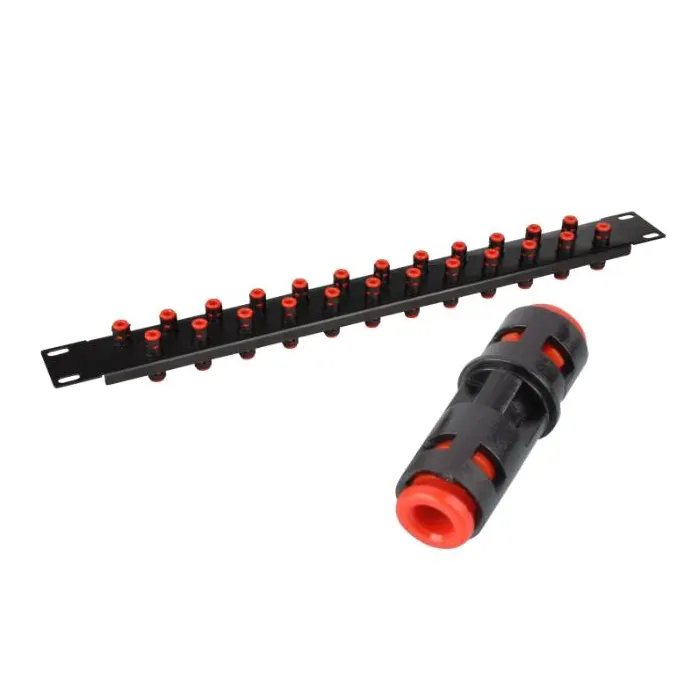

Bulkhead Microduct Connectors: Essential Components for Efficient Fiber Optic Networks
2024-08-21
In the world of fiber optic communications, efficient and reliable connections are crucial for maintaining high-speed data transmission and network integrity. One key component in achieving these connections is the bulkhead microduct connector. This essential device plays a significant role in the organization and protection of fiber optic cables, ensuring seamless and robust network performance. In this blog, we’ll explore the features, benefits, and applications of bulkhead microduct connectors, and why they are vital for modern fiber optic installations.
What Is a Bulkhead Microduct Connector?
A bulkhead microduct connector is a specialized fitting designed to connect microducts—small-diameter tubes used to house and protect fiber optic cables. These connectors facilitate the joining of microducts, allowing for the seamless transition of fiber optic cables through different sections of a network. The bulkhead design ensures a secure and reliable connection while maintaining the integrity and protection of the fiber optic system.
Key Features of Bulkhead Microduct Connectors
1. High-Quality Materials:
Bulkhead microduct connectors are typically made from durable materials such as high-grade plastic or metal alloys. These materials ensure longevity and resistance to environmental factors, such as moisture and temperature fluctuations.
2. Secure Connection:
The bulkhead design provides a secure and tight connection between microducts. This prevents any movement or disconnection that could compromise the fiber optic network’s performance.
3. Easy Installation:
Designed for simplicity, bulkhead microduct connectors are relatively easy to install. They often feature quick-connect mechanisms that allow for fast and efficient assembly without the need for specialized tools.
4. Compatibility:
These connectors are designed to be compatible with various sizes of microducts, providing flexibility in network design and expansion. They can accommodate different configurations and facilitate the integration of multiple microducts.
5. Environmental Protection:
Many bulkhead microduct connectors come with built-in seals and gaskets to protect the connection from dust, moisture, and other environmental contaminants. This protection is crucial for maintaining the performance and reliability of the fiber optic network.
6. Performance Stability:
The design of bulkhead microduct connectors ensures minimal signal loss and high performance stability. By providing a clean and secure connection, they help maintain the quality of data transmission across the network.
Benefits of Bulkhead Microduct Connectors
1. Enhanced Network Reliability:
The secure and stable connections provided by bulkhead microduct connectors contribute to the overall reliability of the fiber optic network. This reduces the risk of network downtime and performance issues.
2. Flexibility and Scalability:
Bulkhead microduct connectors offer flexibility in network design and expansion. They allow for easy integration of additional microducts and can accommodate changes in network configuration as needed.
3. Reduced Installation Time:
The easy installation process of bulkhead microduct connectors helps to reduce overall installation time. This efficiency translates to lower labor costs and quicker deployment of fiber optic networks.
4. Durability and Longevity:
Made from high-quality materials, bulkhead microduct connectors are built to withstand harsh environmental conditions. Their durability ensures a long service life and reduces the need for frequent replacements.
5. Minimized Signal Loss:
By providing a clean and secure connection, bulkhead microduct connectors help to minimize signal loss and maintain the quality of data transmission. This is essential for high-speed and high-performance fiber optic networks.
6. Cost-Effective Solution:
The combination of durability, ease of installation, and performance stability makes bulkhead microduct connectors a cost-effective solution for fiber optic networks. They offer long-term value by reducing maintenance and replacement costs.
Applications of Bulkhead Microduct Connectors
1. Telecommunications Networks:
In telecommunications, bulkhead microduct connectors are used to connect microducts in fiber optic networks. They facilitate the deployment of high-speed internet, voice, and data services, ensuring reliable and efficient communication.
2. Data Centers:
Bulkhead microduct connectors are employed in data centers to organize and connect microducts carrying fiber optic cables. They help manage the complex network infrastructure and ensure high-performance data transmission.
3. Broadband Networks:
For broadband networks, bulkhead microduct connectors provide a seamless connection between microducts. They support the expansion and upgrade of broadband services, ensuring high-speed internet access for users.
4. Building and Campus Networks:
In building and campus networks, bulkhead microduct connectors are used to connect microducts running through different areas. They help maintain network organization and performance across large and complex installations.
5. Smart Cities:
Bulkhead microduct connectors play a role in the development of smart city infrastructure. They facilitate the deployment of fiber optic networks for smart technologies, including traffic management, surveillance, and public services.
6. Industrial Applications:
In industrial settings, bulkhead microduct connectors are used to manage and protect fiber optic cables in harsh environments. They ensure reliable communication and data transmission in industrial automation and control systems.
Choosing the Right Bulkhead Microduct Connector
1. Consider Microduct Size:
Ensure that the bulkhead microduct connector is compatible with the size of the microducts being used. Check the specifications to match the connector with the appropriate microduct diameter.
2. Evaluate Material Quality:
Choose connectors made from high-quality materials that offer durability and resistance to environmental factors. Consider factors such as temperature range, moisture resistance, and chemical compatibility.
3. Check Installation Requirements:
Review the installation requirements of the bulkhead microduct connector. Opt for connectors that offer easy installation and compatibility with existing network infrastructure.
4. Look for Protection Features:
Select connectors with built-in seals and gaskets to ensure environmental protection. This will help maintain the performance and reliability of the fiber optic network.
5. Consult with Suppliers:
If you have specific requirements or need guidance on selecting the right bulkhead microduct connector, consult with suppliers or industry experts. They can provide valuable recommendations based on your application.
Conclusion
Bulkhead microduct connectors are essential components in the efficient and reliable operation of fiber optic networks. Their secure connections, ease of installation, and durability make them a crucial element in modern telecommunications and data infrastructure. By understanding the features, benefits, and applications of bulkhead microduct connectors, you can make informed decisions and enhance the performance of your fiber optic network. Embrace the advantages of bulkhead microduct connectors and experience the difference they can make in your network’s reliability and efficiency.